
Does Exercise Help With Alcohol Cravings? What Movement Can Do
Exercise won't cure an alcohol craving, but it can carry you through the few minutes it's loudest. Why a ten-minute walk beats a workout plan, and when to move.
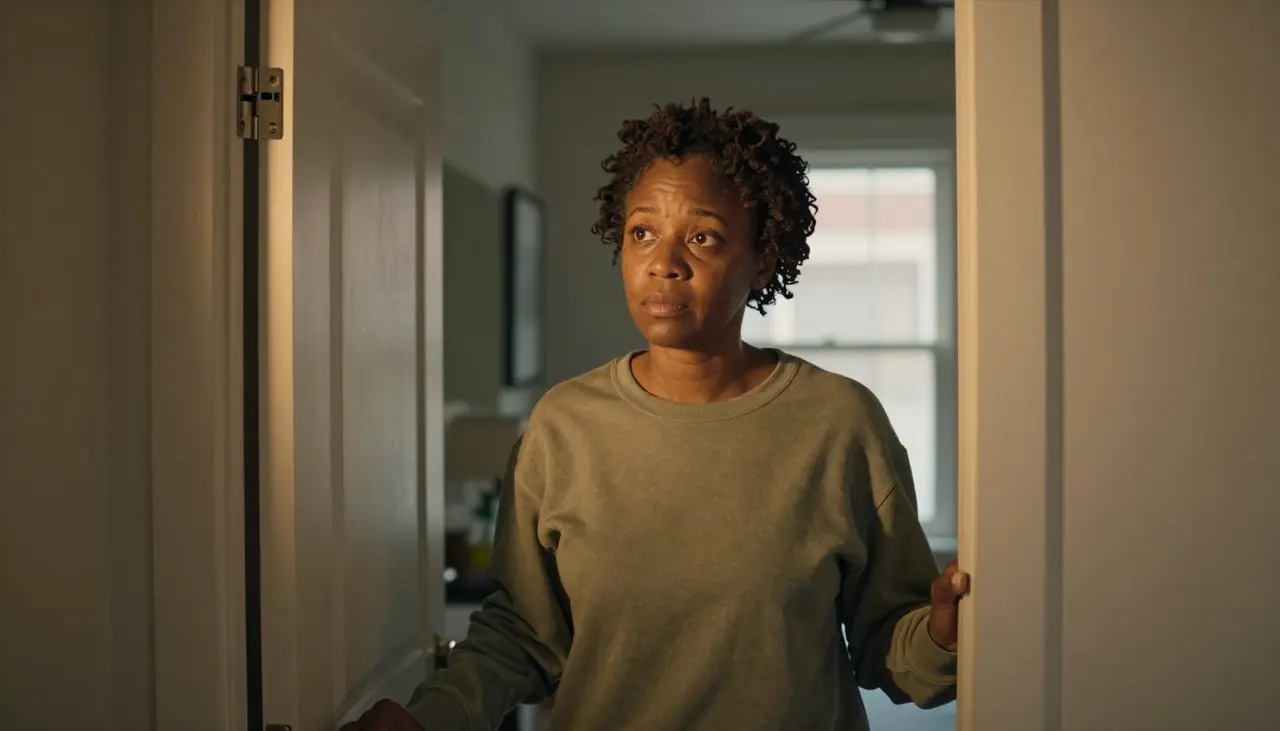
The craving hits before your shoes are even on. The old move is closer: fridge, cabinet, bar cart, corner store. Exercise sounds like something a smug person says when they are not the one standing in the kitchen at 6:12 p.m.
Still, movement can help. Not because it cures the craving. Because it competes with the few minutes when the craving is loudest.
The Craving-Window Move
NIAAA's Rethinking Drinking guide treats an urge as a normal, short-lived event you can recognize, avoid, or cope through — not a command. Exercise fits in the cope slot: it gives your body, attention, and location something else to do while the urge rises and passes.
Call it the Craving-Window Move. The point is not fitness. The point is to put your body into a different state for long enough that the urge stops feeling like an order.
Three rules keep it useful:
- Make it small enough to start while annoyed.
- Make it immediate enough to beat the first pour.
- Make it repeatable on an ordinary day.
That is the whole framework.
Change the room first
The first move is not a workout. It is relocation.
Walk to the mailbox. Take the trash out. Do one slow lap around the block. Stand outside with your keys in your hand. If the craving lives in the kitchen, do not negotiate with it in the kitchen.
This works because cues are sticky. The chair, the glass, the time of day, the start of dinner, the sound of a meeting ending: all of it can tell the brain what comes next. Movement interrupts the script before it gets to the automatic step.
Do-it-now action: pick the first doorway you will cross when a craving hits. Not the perfect route. The first doorway.
Set the bar embarrassingly low
A ten-minute walk counts. Ten pushups count. Stretching on the floor counts. Carrying laundry upstairs counts if it moves you through the urge window.
The bar is low on purpose. A craving does not need your lifetime training plan. It needs the next few minutes. If the tool requires special clothes, a long drive, a playlist, or a mood you do not have, it will lose to the drink.
Try this menu:
For agitation: Walk fast for seven minutes, then slow down for three.
For numbness: Do twenty bodyweight movements of any kind: squats, wall pushups, step-ups, or marching in place.
For the after-work crash: Change clothes and walk before you sit down.
For a late-night pull: Stretch, shower, or take a slow walk inside the house. Do not turn a midnight craving into a heroic outdoor plan.
The best movement is the one you will actually start while you still want the drink.
Do not make movement a punishment
Exercise stops working as a craving tool when it becomes a penalty for wanting to drink.
The tone matters. "I have to burn this off" is different from "I need ten minutes between me and the automatic pour." One makes the body the problem. The other uses the body as an ally.
Keep the movement neutral. Walk because it changes the room. Do wall pushups because they give the urge a clock. Stretch because your body is tight and the drink has been pretending to be relief. None of this requires liking workouts or proving anything.
Put movement before the witching hour
Mid-urge movement helps. Pre-loaded movement often helps more.
If your craving has a usual time, do not wait for it to announce itself. Put ten or fifteen minutes of movement directly before the window. Walk right after shutting the laptop. Take a lap before cooking. Do the short home routine before the kids' bedtime cleanup ends, not after the house goes quiet.
This is not discipline theater. It is cue design. You are changing what your body expects at the hour when the old pattern usually takes over.
For related craving-window work, see when your cravings come at the same time every day, morning routines that replace drinking cravings, and what to do when you crave alcohol.
Remember that alcohol and exercise compete both ways
Movement can help blunt a craving in the moment. Drinking can also work against the movement afterward.
A review of alcohol, athletic performance, and recovery documents that alcohol can impair post-exercise recovery processes. Put plainly: the drink and the workout are not neutral neighbors. They tug in opposite directions, and drinking and your cardio fitness or workouts spells out what that costs a training week.
That does not mean you need to become a fitness person. It means the tradeoff is real. If you are using movement to feel steadier, sleep better, or get your body back, drinking can quietly tax the same result you are trying to build.
This matters for the reader who says, "I worked out, so I earned it." Maybe. But another question is fair: did you move because you wanted to feel better, and will the drink help or undercut that? If the pull lands hardest right after you finish, there is a reason for that timing — see why you crave alcohol after exercise.
Know what a run will not fix
Exercise does not fix loneliness. It does not fix a punishing job. It does not make withdrawal safe. It does not erase a pattern where every evening is a fight.
That is not a reason to throw it out. It is a reason to size it correctly. Movement manages moments. A bigger drinking pattern needs a bigger plan: sleep, food, routine, trigger changes, support, and sometimes a clinician conversation.
If the urge is still loud after you move, do not call the movement a failure. Treat it as data. The next layer might be eating, changing location, texting someone, leaving the event, or writing down what the urge was trying to solve.
The small version you can try tonight
At the first craving, set a ten-minute timer.
Change rooms. Move your body until the timer ends. Put a nonalcoholic drink in your hand. Then ask the question again: "Do I want to drink, or did I want the first ten minutes of relief?"
Sometimes the answer will still be drink. Sometimes it will not. Either way, you have weakened the automatic link between urge and action.
That is the win exercise can actually claim.
This article is general education, not medical advice or a treatment plan; if cravings feel unmanageable, or if cutting back after heavy daily drinking causes withdrawal symptoms, talk with a licensed clinician or seek emergency care when symptoms are severe.
- Body & physical health
Alcohol, Keto, and Fasting: What Drinking Does to the Metabolic Goal You're Chasing
You can drink alcohol on keto, but your liver clears the alcohol first and ketosis waits. Why low-carb drinks still count — and why a fast makes them hit harder.
- Hangovers & the day after
Why Alcohol Gives You 'The Spins' — and What the Room Is Actually Doing
Why the room can feel like it is spinning after drinking, how the inner ear and fast-rising alcohol effects fit in, and when symptoms point to alcohol poisoning.
- Body & physical health
Drinking When You're Sick: What Alcohol Does While You're Fighting a Cold or Flu
Why it is usually better to skip alcohol when you have a cold or flu, including immune strain, worse sleep, dehydration, and cold-medicine concerns.
- Body & physical health
Drinking on an Empty Stomach: Why It Hits Faster and Harder
Why alcohol reaches the bloodstream faster without food, why the same drinks can land differently day to day, and what safety signs not to ignore.
- Cravings & triggers
How Long Do Alcohol Cravings Last? The Single Urge, the First Weeks, and the Long Tail
A single urge crests and passes in minutes; the season of cravings runs for weeks and thins unevenly. Why week three can feel louder than week one.
- Cutting back & moderation
Does Kombucha Have Alcohol?
Kombucha can contain alcohol. At 0.5% ABV or more it is federally regulated as alcohol, and its package must carry the federal health warning.


Be the first to hear when Clero launches.
Join with email only. Clero is still in development, so this is educational content today — not treatment, a prescription request, or medical advice.
First to hear at launchLaunch news only — no spamUnsubscribe anytime