
Drinking When You're Sick: What Alcohol Does While You're Fighting a Cold or Flu
Why it is usually better to skip alcohol when you have a cold or flu, including immune strain, worse sleep, dehydration, and cold-medicine concerns.
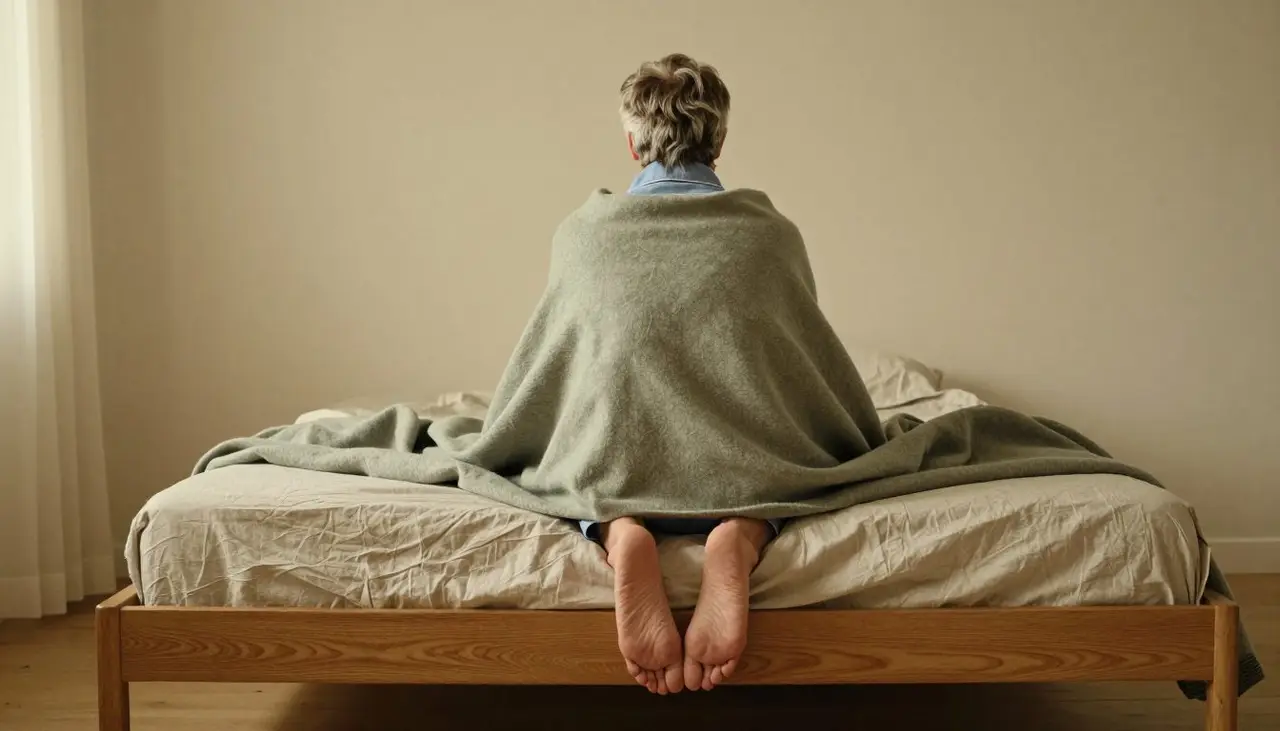
Skip alcohol when you have a cold or flu.
A drink will not usually turn a routine cold into an emergency. But it works against every job your body is doing right now: defending itself, sleeping, staying hydrated, and handling medicine safely.
Alcohol adds load while your body is already busy
When you are sick, your body is not taking a quiet day. It is running an immune response, managing inflammation, losing fluids through fever or sweating, and trying to repair through sleep. Alcohol adds another task.
Research on alcohol and the immune system describes drinking as something that can impair immune defenses. A related review on alcohol's effect on host defense explains that alcohol can disrupt protective responses to infection. In plain language: while you are trying to fight a virus, drinking can make the defense work messier.
It can make the symptoms feel worse
Colds and flu already bring dry mouth, poor sleep, headache, queasiness, congestion, and that flattened feeling where the day takes too much effort. Alcohol can pile onto several of those.
It can make sleep less restorative. It can make dehydration feel sharper. It can irritate the stomach. It can make the next morning harder to read because now you are sorting out illness, hangover, poor sleep, and maybe medication effects at once.
NIAAA's overview of alcohol and the human body describes alcohol affecting multiple systems, including immune, liver, metabolic, and nervous-system pathways. That is the body-wide reason a drink can feel like extra weight when you are already sick.
For the broader immune-science page, see alcohol and your immune system. For the fluid side, see does alcohol dehydrate you.
Cold and flu medicine changes the answer
If you have taken cold or flu medicine, do not guess. Check the label and ask a pharmacist.
Many over-the-counter products can cause drowsiness, affect the liver, or carry warnings about alcohol. Combination cold products make this even easier to miss, because one bottle or packet can contain several active ingredients — and only the label and a pharmacist can tell you what a specific product does alongside a drink.
The practical rule is plain: if medicine is in the picture, alcohol should not be.
What to reach for instead
Reach for practical things. They work better here.
Fluids. Warm drinks. Food you can tolerate. Rest. A shower if it helps congestion. A quiet night that does not add another variable.
This is not a recovery protocol. It is just the common-sense version of not making a sick day harder. If part of you wants the drink because being sick feels lonely, dull, or unfair, name that honestly. The drink may be less about the cold and more about wanting relief from the feeling of being stuck in your body.
That is a useful distinction. If the urge is emotional, the replacement has to answer the emotion: call someone, put on something familiar, get into clean sheets, change the room, or make the evening smaller.
When it is more than a cold
Call a clinician if symptoms are severe, getting worse, or lasting longer than expected, or if you have a high or persistent fever, trouble breathing, chest pain, confusion, fainting, or signs of dehydration. If breathing trouble, confusion, severe weakness, or inability to stay awake is present, go to an emergency room or call 911.
If alcohol is hard to skip even when you are clearly sick, treat that as information rather than a verdict on your character. A pattern that keeps overriding your own health goal deserves a clinician's attention — and if you do not already have someone to raise the drinking side of it with, that is the gap Clero is built to close, pairing you with a licensed clinician over telehealth to talk it through instead of waiting for the next cold to force the question.
FAQ
Can I have one drink with a cold?
It is generally better to skip it. Alcohol can worsen sleep, dehydration, stomach upset, and immune strain while you are recovering.
Does alcohol kill germs in your throat?
No. Drinking alcohol is not a treatment for a cold or flu. It adds alcohol to a body that is already trying to recover.
What if I took cold medicine earlier?
Check the label and ask a pharmacist before adding alcohol. Combination products especially can hide ingredients that do not mix with drinking.
This article is general education, not medical advice or medication guidance. If you drink heavily every day, talk with a licensed clinician before stopping suddenly; for referral support, SAMHSA's National Helpline is 1-800-662-HELP.
- Body & physical health
Alcohol, Keto, and Fasting: What Drinking Does to the Metabolic Goal You're Chasing
You can drink alcohol on keto, but your liver clears the alcohol first and ketosis waits. Why low-carb drinks still count — and why a fast makes them hit harder.
- Hangovers & the day after
Why Alcohol Gives You 'The Spins' — and What the Room Is Actually Doing
Why the room can feel like it is spinning after drinking, how the inner ear and fast-rising alcohol effects fit in, and when symptoms point to alcohol poisoning.
- Body & physical health
Drinking on an Empty Stomach: Why It Hits Faster and Harder
Why alcohol reaches the bloodstream faster without food, why the same drinks can land differently day to day, and what safety signs not to ignore.
- Cravings & triggers
Does Exercise Help With Alcohol Cravings? What Movement Can Do
Exercise won't cure an alcohol craving, but it can carry you through the few minutes it's loudest. Why a ten-minute walk beats a workout plan, and when to move.
- Quitting & sobriety
Do You Have to Hit Rock Bottom Before Changing Your Drinking? No - Here's Why
A myth-correction answer on why you do not need a dramatic collapse before taking your drinking seriously.
- Hangovers & the day after
Drunk Texting When You're Cutting Back on Drinking
Drunk texting happens because alcohol removes the pause before send — and you can rebuild it. Three kinds of distance to set up sober, before the night speeds up.


Be the first to hear when Clero launches.
Join with email only. Clero is still in development, so this is educational content today — not treatment, a prescription request, or medical advice.
First to hear at launchLaunch news only — no spamUnsubscribe anytime