
Why Alcohol Gives You 'The Spins' — and What the Room Is Actually Doing
Why the room can feel like it is spinning after drinking, how the inner ear and fast-rising alcohol effects fit in, and when symptoms point to alcohol poisoning.
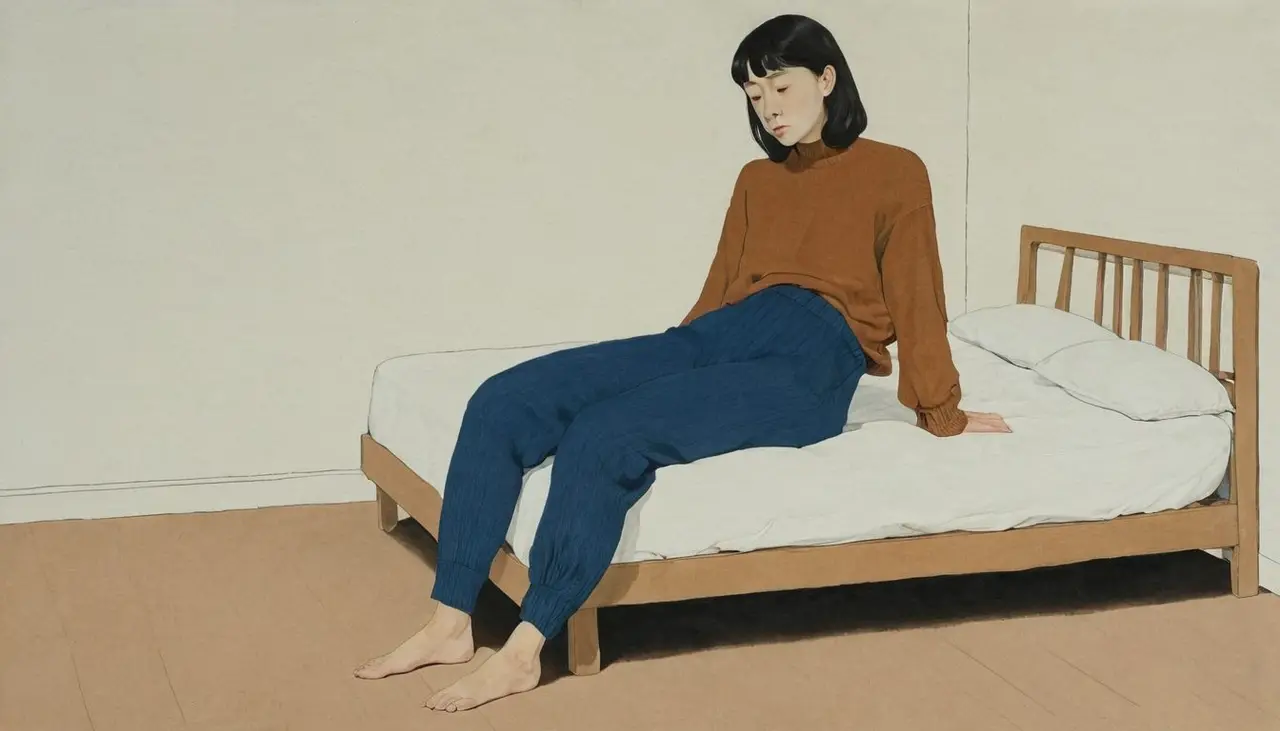
"The spins" happen when alcohol disrupts the balance signals your brain is trying to make sense of.
The room is not moving. Your balance system is sending a distorted message, and your brain reads it as motion. It often feels worse when you lie down or close your eyes because you have removed the visual anchors that help your brain check where the room actually is.
What are the spins?
The spins are an alcohol-related dizziness or false-motion feeling. Many people describe it as the room rotating, the bed tilting, or their body moving even while they are still.
The basic mechanism sits in the brain and balance system. NIAAA's overview of alcohol and the brain describes alcohol interfering with communication pathways in ways that affect balance, coordination, memory, speech, and judgment. For the spins, balance is the part you feel most loudly.
The inner ear helps your brain understand motion and position. Alcohol can disturb those signals enough that stillness feels like movement. That is why the sensation can feel so physical and convincing even when your eyes know the ceiling is not turning.
Why does lying down make it worse?
Lying down removes helpful reference points. When you are upright with your eyes open, the room, floor, walls, and furniture give your brain visual evidence that you are still. Close your eyes in bed, and the brain has less outside information to correct the false motion.
That is also why people often open their eyes, sit up, put a foot on the floor, or fix their gaze on one object. Those moves are attempts to give the brain a steadier reference. While these techniques can help manage the spinning, they do not solve the underlying problem. The spins may not go away until the alcohol clears.
Why do the spins happen some nights and not others?
The spins tend to show up when alcohol effects rise faster or higher than your body is handling well. A review of alcohol-induced blackouts notes that high and rapidly rising blood alcohol concentrations are linked to sharper effects on brain function. The same general condition — a fast, strong alcohol effect — is the setting where the spins are more likely.
That does not require a specific alcohol threshold. It can happen after drinking faster than usual, drinking without much food, having stronger pours, being tired, mixing drinks, or drinking more than you meant to. It can also vary because the body varies day to day.
For the empty-stomach side of that question, see drinking on an empty stomach. For next-day balance, see drinking and your balance or feeling clumsy the day after.
What are the spins telling you?
The spins are a signal that you have consumed more alcohol than your balance (vestibular) system is able to handle.
That does not mean panic. It does mean honesty. If you regularly reach the point where the room spins, memory blurs, or you cannot trust your body, the pattern is giving you information. The question is not how to drink right up to that edge. The question is what would need to change so that edge stops being part of the night — and that is a fair thing to talk through with a licensed clinician rather than puzzle over alone.
Another question many people ask is how to stop the spins. The answer is unsatisfying: once alcohol is in your system, time matters most. NIAAA's alcohol metabolism overview describes alcohol clearance as happening at a fairly steady rate. Coffee, a shower, food, or willpower cannot force the liver to finish sooner.
Do not drive, swim, take sedating substances, or care for someone vulnerable while the room is spinning. The issue is not only discomfort. It is impaired balance and judgment.
When it is more than the spins
Alcohol poisoning is different from being dizzy. If someone has repeated vomiting, confusion, slow or irregular breathing, cold or clammy skin, seizures, blue or pale skin, or cannot be woken up, call 911. Do not leave them alone to sleep it off.
That line matters because the spins can appear in the same broad territory as other dangerous intoxication signs. Dizziness by itself may pass with time. Unresponsiveness, breathing changes, seizures, or confusion are emergency signs.
FAQ
Are the spins the same as vertigo?
They can feel like vertigo because the room seems to move when it is not moving. But alcohol-related spins are tied to intoxication. Recurrent dizziness when you are not drinking deserves medical evaluation.
Why are the spins worse with my eyes closed?
Closing your eyes removes visual reference points. Your brain has fewer outside signals to correct the false-motion message from the balance system.
Can I make alcohol clear faster?
No reliable trick speeds liver clearance. Time is the main factor, which is why the better prevention is not reaching that level of intoxication.
This article is general education, not medical advice or a remedy guide. If alcohol poisoning signs are present, call 911; if alcohol is hard to control, SAMHSA's National Helpline is 1-800-662-HELP.
- Body & physical health
Alcohol, Keto, and Fasting: What Drinking Does to the Metabolic Goal You're Chasing
You can drink alcohol on keto, but your liver clears the alcohol first and ketosis waits. Why low-carb drinks still count — and why a fast makes them hit harder.
- Body & physical health
Drinking When You're Sick: What Alcohol Does While You're Fighting a Cold or Flu
Why it is usually better to skip alcohol when you have a cold or flu, including immune strain, worse sleep, dehydration, and cold-medicine concerns.
- Body & physical health
Drinking on an Empty Stomach: Why It Hits Faster and Harder
Why alcohol reaches the bloodstream faster without food, why the same drinks can land differently day to day, and what safety signs not to ignore.
- Helping someone who drinks
Is There a Medication to Help My Husband Stop Drinking?
Yes — three are FDA-approved, and a regular family doctor can prescribe them. Why almost nobody is offered one, and how to raise it without it landing as a verdict.
- Cravings & triggers
How Long Do Alcohol Cravings Last? The Single Urge, the First Weeks, and the Long Tail
A single urge crests and passes in minutes; the season of cravings runs for weeks and thins unevenly. Why week three can feel louder than week one.
- Mind & mood
Why Does Alcohol Make Some People Angry?
Alcohol can make anger louder by weakening judgment and self-control. The mechanism explains the pattern; it never excuses harm.


Be the first to hear when Clero launches.
Join with email only. Clero is still in development, so this is educational content today — not treatment, a prescription request, or medical advice.
First to hear at launchLaunch news only — no spamUnsubscribe anytime