
What Is a Blackout From Drinking?
A blackout is a memory gap for events during intoxication — not passing out. Why someone can talk, text, and get home with none of the night recorded.
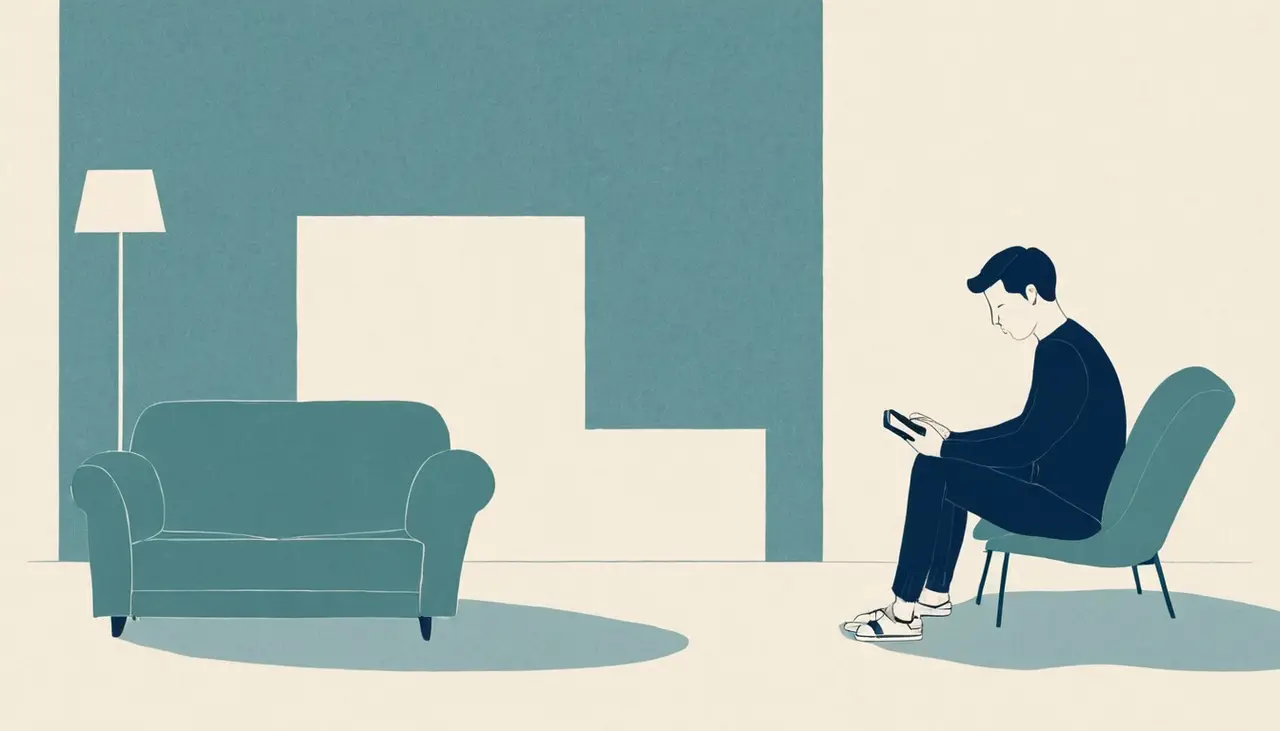
A drinking blackout is a memory gap for events that happened while you were intoxicated. It is not the same thing as passing out.
That distinction is the part people often miss. Someone can be awake, talking, texting, moving around, or seeming "functional" and still be unable to remember pieces of what happened later. A blackout is a memory problem, not proof that the person was asleep or unconscious.
Blackout versus passing out
Passing out means losing consciousness. A blackout means the brain did not store memory normally while the person was intoxicated.
A clinical review describes alcohol-induced blackouts as memory gaps for events that happened during intoxication, not necessarily a loss of consciousness. That is why the next morning can feel so disorienting: other people may remember a conversation, a ride home, a text thread, or a decision that your memory does not hold.
The phrase "brownout" is often used informally for partial or patchy memory. The main point is the same: missing memory after drinking is not a funny side effect to ignore. It is a signal that the drinking episode affected the brain's ability to record the night.
Why can a blackout happen while someone is still moving around?
Alcohol can disrupt memory formation before it shuts the whole body down.
The same review identifies rapid increases in blood alcohol concentration as a key contributor to blackout risk. That means pace matters. A fast rise can be risky even if the total number of drinks does not sound shocking in hindsight. A fast rise is also the pattern behind the spins — that room-spinning dizziness when you lie down, so a night that ends with both is telling you the same thing about pace twice.
This is where standard-drink language helps. NIAAA defines a U.S. standard drink as 0.6 fluid ounces, or 14 grams, of pure alcohol. Large pours and strong mixed drinks can make the real count higher than the story you tell yourself the next day.
It also helps to know the binge pattern definition without using it as a diagnosis. NIAAA defines binge drinking as a pattern that typically brings BAC to 0.08% or higher, often 5 or more drinks for males or 4 or more for females in about two hours. A blackout is not limited to that exact definition, but fast heavy drinking is part of the risk picture.
Why "I was functioning" does not settle it
Functioning is a low bar. Memory is the issue.
You may have looked fine enough to other people. You may have spoken in full sentences. You may have paid the tab, sent messages, or found your way home. None of that proves the night was safe. It only proves that outward behavior and memory storage can separate. That gap is also what makes the morning after awkward to handle, because you may owe someone a conversation about something you cannot actually remember — apologizing after drinking too much deals with that specific problem.
That separation is what makes blackouts unsettling. The person who has to live with the consequences is missing part of the record.
It also changes how to think about consent, driving, conflict, and injury. If you cannot remember what happened clearly enough to understand it, do not let someone else's "you seemed fine" become the whole truth. Check the practical facts first: where you woke up, whether you are hurt, whether you drove or rode with someone unsafe, whether there are messages you do not remember sending, and whether there is any concern that someone crossed a boundary or drugged you.
Does one blackout mean I have alcohol use disorder?
One blackout does not diagnose you. It also does not become harmless because it happened once.
The useful question is pattern-based: Was there injury? A fight? Driving? Sex you cannot remember clearly enough to consent to or understand? A lost phone, fall, head hit, missing time, or fear that someone drugged you? Did the same thing happen before? Did you plan to drink less and then lose the plan once drinking started?
If any of those are true, take the event seriously without turning it into a label. A clinician can help you sort the drinking pattern, memory gaps, safety risk, and next steps. If you drink daily or have withdrawal-like symptoms when alcohol wears off, talk with a licensed clinician before trying to stop or sharply cut back.
When urgent help matters
Get urgent medical help if there may be head trauma, trouble breathing, severe confusion, possible alcohol poisoning, injury, suspected drugging, or concern about assault. If someone is unconscious, hard to wake, breathing strangely, or unsafe, call 911.
If the concern is not immediate danger but you need confidential routing for alcohol-related support, SAMHSA's National Helpline is available 24/7 at 1-800-662-HELP.
None of this requires reconstructing the night or learning to drink around the gap. The steadier use is simpler: name the blackout for what it is, write down what you do know while it is still fresh, check your immediate safety, and treat repeated memory gaps as a reason to get support rather than a story to shrug off.
FAQ
Can you blackout without passing out?
Yes. A blackout is a memory gap during intoxication. The person may have been awake and active while the memory was not being stored normally.
Are blackouts always caused by binge drinking?
Not always in the exact public-health definition, but rapid increases in blood alcohol concentration are a known risk contributor. Fast heavy drinking raises concern.
Is a blackout the same as forgetting because I was tired?
No. Ordinary forgetfulness is not the same as missing chunks of time from intoxication. If memory gaps follow drinking, treat them as alcohol-related safety information.
This article is general education, not a diagnosis, legal advice, or guidance for drinking while avoiding blackouts. For injury, assault concern, suspected drugging, breathing trouble, severe confusion, or unconsciousness, use urgent medical help or call 911.
- Understanding your drinking
Why Do I Black Out When I Drink?
An answer-first Q&A on why alcohol blackouts happen, why they can happen after different amounts for different people, and when a memory gap is a safety warning.
- Body & physical health
Can You Develop Alcohol Intolerance? Why Drinking Feels Different
Yes, someone who drank comfortably for years can start reacting badly. Intolerance hits during or soon after a drink; a hangover arrives hours later. How to tell.
- Cravings & triggers
Why Do I Drink When I Don't Want To?
A non-diagnostic self-check for the gap between intending not to drink and drinking anyway, without labels, quiz scoring, or shame.
- Hangovers & the day after
Drinking and Constipation the Day After
Alcohol can slow the next-day bathroom pattern for some people; compare the whole night around it, and know when bowel changes need care.
- Mind & mood
Can Alcohol Cause Panic Attacks? Why They Hit After Drinking
An answer-first explanation of alcohol rebound anxiety, 3 a.m. panic, medical red flags, and how to read the pattern without self-diagnosing.
- Body & physical health
What Is Alcohol Poisoning? The Signs to Know and When to Call 911
A fast, safety-first guide to alcohol poisoning, the warning signs that matter, and why calling 911 comes before at-home fixes.


Be the first to hear when Clero launches.
Join with email only. Clero is still in development, so this is educational content today — not treatment, a prescription request, or medical advice.
First to hear at launchLaunch news only — no spamUnsubscribe anytime