
How To Sober Up Fast: What Actually Changes the Answer
A blunt, safety-first answer on why there is no reliable fast sobriety hack, what food and showers cannot do, and when the moment needs help.
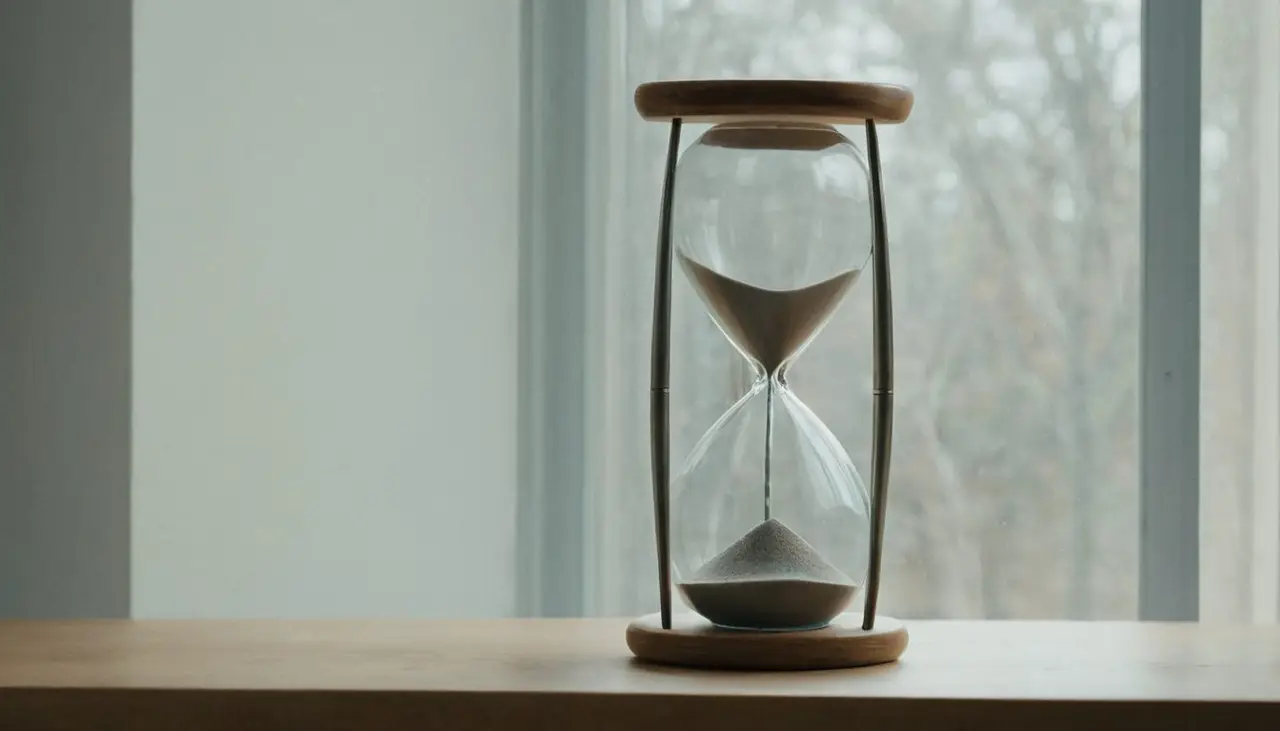
There is no reliable way to sober up fast from alcohol. Food, coffee, showers, sleep, and willpower can change how you feel. They do not make impairment vanish on demand.
That is the answer to build around. If a task requires sobriety, do not treat a hack as clearance. The task that makes this concrete for most people is the next morning's commute — can I drive the morning after drinking walks through how to judge it.
Start with the amount, not the hack
CDC defines a U.S. standard drink as containing 0.6 ounces, or 14 grams, of pure alcohol. A bigger pour, stronger beer, or heavy cocktail can quietly make the drink count in your head too low.
That matters because "how do I sober up fast?" often starts after the amount is already bigger than planned. The honest move is not to reverse-engineer a fix. It is to stop adding more risk.
No drink-count number can prove you are safe for a specific task. It can only help you see whether the night was heavier than you admitted to yourself.
Binge speed makes fast-fix thinking worse
NIAAA defines binge drinking as a pattern that typically brings blood alcohol concentration to 0.08% or higher, often 5 or more drinks for males or 4 or more for females in about 2 hours. That definition is a warning about speed and load.
Fast drinking creates urgent searches. You need to leave. You need to look normal. You need to get through the morning. That urgency is exactly why the answer should stay plain.
Do not stack tricks and call it sobriety.
The more urgent the search feels, the less useful self-testing becomes. People are not good judges of their own impairment when the stakes are high and they badly need the answer to be yes. Build the plan around being wrong in the safer direction.
Food, showers, coffee, and sleep have limits
Food may make your stomach feel less empty. A shower may make you feel cleaner or more awake. Coffee may make you feel less sleepy. Sleep may give time a chance to pass.
None of those proves you are unimpaired.
Coffee deserves its own line, because it is the hack people trust most and the one with a documented backfire. CDC states that caffeine does not change how alcohol affects the body — it can make you feel more awake, or feel as though the alcohol is affecting you less, which can lead to drinking more and becoming more impaired. CDC also links mixing alcohol with caffeine to higher blood pressure, irregular heartbeat, and dehydration, and reports that people who mix alcohol with energy drinks are more likely to report binge drinking, injuries, and alcohol-impaired driving. So the coffee is not neutral. It removes the tiredness that would otherwise have ended the night.
NIAAA says no hangover remedies have been scientifically proven effective, and there is no way to speed the brain's recovery from alcohol use. That line is about hangovers, but the principle is useful: the body needs time, and a comfort step is not a cure.
NIAAA also states that during a hangover, attention, decision-making, and muscle coordination can be impaired. So the morning after can still be a safety problem even when the room has stopped spinning.
Driving is not the place to negotiate
Do not use a web answer to decide whether you can drive. That is not a legal or safety call a webpage can make for you.
The National Highway Traffic Safety Administration (NHTSA) reported 12,429 alcohol-impaired-driving fatalities in 2023. That figure is not included for scare value. It is the reason fast-sober-up content has to be blunt. If alcohol may still be affecting you, choose the option that does not require you to be right about your own impairment.
That same logic applies to childcare, machinery, medical decisions, conflict conversations, and work that can hurt someone if your judgment is off.
When the moment needs help
The situation that gets mistaken for "they just need to sleep it off" has a name: alcohol overdose, when there is enough alcohol in the bloodstream that the brain areas running breathing, heart rate, and body temperature start shutting down. NIAAA's critical signs are:
- mental confusion or stupor
- difficulty staying conscious or being impossible to wake
- vomiting
- seizures
- slow breathing (fewer than 8 breaths a minute)
- irregular breathing (10 or more seconds between breaths)
- a slow heart rate
- clammy skin
- dulled responses such as a missing gag reflex
- very low body temperature with pale or bluish skin
Call 911 if you see any of them. NIAAA is explicit that you should not wait for all the symptoms to show up, and that a person who has passed out can die. NIAAA is equally explicit about the hacks: cold showers, hot coffee, and walking someone around do not reverse an overdose and can make things worse. This is where a fast-sober-up attempt stops costing an unpleasant morning and starts costing something else.
If the issue is heavy daily drinking and symptoms appear when alcohol wears off, do not try to sober up or detox privately with food, showers, or sleep. Sudden changes can be risky for some people. Talk with a licensed clinician.
If the issue is simply that you drank more than planned again, use the moment as data once you are safe: where did the night turn, what cue kept it going, and what would need to change before the next one?
Repeated fast-sober-up searches are a pattern of their own. They often mean the plan for the night is being made after the risky part already happened. The better time to make the plan is before the first drink: how you are getting home, what task you will not do after drinking, and what point means the night is over.
The useful next question
"How do I sober up fast?" is usually the wrong question. The better question is, "What can I do that does not require me to be sober right now?"
Stay where you are safe. Get a ride. Hand off the responsibility. Stop drinking more. Delay the decision. Let time do what hacks cannot.
The answer is not clever. It is safer.
FAQ
Can coffee sober me up?
No. Per CDC, caffeine does not change how alcohol affects the body; it changes how awake you feel, and that gap can lead people to drink more and end up more impaired than they would have been without it.
Does food or a shower make me safe to drive?
No article can clear you to drive. Food and showers do not reliably remove alcohol impairment.
How long does it take to sober up?
Time is the core factor, but a general article cannot calculate your personal impairment or safety. Amount, timing, body size, health, medication questions, and sleep all matter.
This article is general education, not legal, driving, emergency, or medical advice. If alcohol may still be affecting you, choose the option that does not require sobriety.
- Body & physical health
What Is Alcohol Poisoning? The Signs to Know and When to Call 911
A fast, safety-first guide to alcohol poisoning, the warning signs that matter, and why calling 911 comes before at-home fixes.
- Understanding your drinking
Why Do I Black Out When I Drink?
An answer-first Q&A on why alcohol blackouts happen, why they can happen after different amounts for different people, and when a memory gap is a safety warning.
- Cutting back & moderation
How Long Does It Take to Feel Better After Cutting Back on Drinking?
There is no single clock: mental speed tends to pick up within a month, most cognitive function over 6 to 12. Why sleep and anxiety often get worse first.
- Mind & mood
Can Alcohol Cause Panic Attacks? Why They Hit After Drinking
An answer-first explanation of alcohol rebound anxiety, 3 a.m. panic, medical red flags, and how to read the pattern without self-diagnosing.
- Body & physical health
How Long Does Alcohol Stay in Your System? The Honest Math
Alcohol leaves your system on the liver's schedule — coffee, showers, and sleep don't speed it up. Why feeling sober isn't proof, and why test windows differ.
- Social events & holidays
How to Socialize Without Drinking at Summer Events
You can socialize without drinking by settling four firsts in the car: your glass, your line, your spot, your exit. An empty hand reads as a request.


Be the first to hear when Clero launches.
Join with email only. Clero is still in development, so this is educational content today — not treatment, a prescription request, or medical advice.
First to hear at launchLaunch news only — no spamUnsubscribe anytime