
Does a Shower Help a Hangover? Hot vs. Cold, Explained
A shower may ease hangover discomfort, but it will not sober you up or reverse alcohol overdose. When hot, cold, or 911 is the safer call.
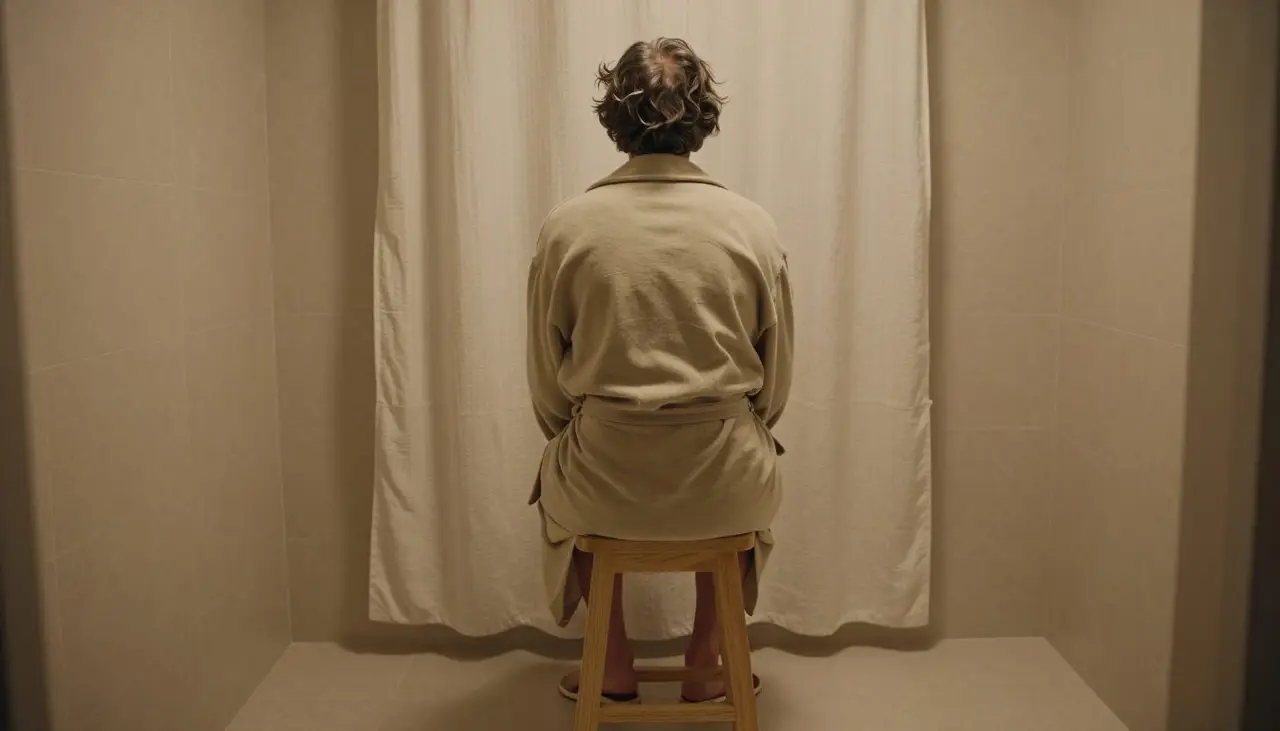
A shower can make a hangover feel more manageable. It does not cure the hangover or speed your brain's recovery from alcohol.
A shower may help you feel cleaner, warmer, cooler, more awake, or less stuck in the same miserable loop. It does not erase impairment, fix a severe headache, or make a heavy night safe to shrug off.
What can a shower actually change?
A shower can change comfort. It can rinse off sweat, ease the feeling of being stale, give you a few minutes of quiet, and mark a clean break between bed and the rest of the day.
NIAAA says hangover symptoms can include fatigue, thirst, headache, nausea, anxiety, irritability, sweating, and increased blood pressure. A shower may make some of those sensations feel less overwhelming for a while, especially sweating, temperature discomfort, or the mental stuckness of lying still and feeling awful.
That is not nothing. Comfort matters. But comfort is not the same as recovery.
What can a shower not do?
A shower cannot make alcohol's effects disappear on command. NIAAA says no hangover remedies have been scientifically proven effective, and there is no way to speed the brain's recovery from alcohol use.
This is where the myth gets slippery. If you feel more awake after a shower, it is easy to treat that as proof you are back to normal. But feeling sharper and being fully unimpaired are not the same thing.
NIAAA also states that during a hangover, attention, decision-making, and muscle coordination can be impaired. That means a shower should not be used as a clearance test for driving, work that needs judgment, childcare, machinery, or any safety-sensitive task.
Hot shower or cold shower?
Neither should become a protocol. A warm shower may feel soothing. A cooler shower may feel waking. The right question is not which temperature defeats a hangover. It is whether the shower makes you feel safer and more comfortable without pushing your body.
Avoid extreme temperatures, especially if you are dizzy, nauseated, shaky, weak, or unsteady. Those symptoms can make the shower a dangerous place and raise your risk of a fall or injury. If you have any of them, sit down and keep things simple.
Avoid stacking sauna, cold plunge, supplement, caffeine, or pain-reliever ideas onto the shower myth. Those choices can carry their own risks, especially when someone is dehydrated, nauseated, taking medication, or unsure whether the symptoms are more than a hangover.
When should you skip the shower and call 911?
Skip the shower if the concern is not ordinary hangover discomfort but possible alcohol overdose. Trouble waking, confusion, repeated vomiting while barely responsive, slow or irregular breathing, a seizure, clammy skin, or bluish or pale skin belong in emergency-response territory.
NIAAA says cold showers, hot coffee, and walking someone around do not reverse alcohol overdose, and they can make things worse. If you suspect overdose, call 911 right away. Do not wait for every warning sign to appear.
That is the line this page should not blur. A shower is a comfort step for someone awake, steady, and able to choose it. It is not a way to manage a person who cannot stay conscious or breathe normally.
Why do I feel better, then awful again?
Because the shower may have changed the setting, not the cause. A few minutes of warmth, water, and movement can break the feeling of being trapped in the hangover. Then the fatigue, headache, nausea, anxiety, or poor sleep can return.
That does not mean the shower failed. It means it was a comfort step, not a cure.
The adjacent question is often, "Can I make myself functional enough?" Be careful with that word. Functional enough to sit quietly and wait out the day is different from functional enough to drive, make high-stakes decisions, or pretend nothing happened. The same trap sits under trying to sober up fast and eating to sober up: comfort steps, not clearance.
Check the amount before blaming the shower
Sometimes the real lesson is upstream. CDC defines a U.S. standard drink as 12 ounces of 5% beer, 5 ounces of 12% wine, or 1.5 ounces of 80-proof distilled spirits. If the night involved larger pours or stronger drinks, the "same number" of drinks may not have been the same amount of alcohol.
That matters because shower myths often arrive after a night where the body is already overloaded. A comfort step in the morning cannot undo a drinking pattern from the night before.
Try noticing the pattern without turning it into punishment: what did you drink, how late, how fast, and what symptoms showed up? If every heavy night now requires a morning rescue plan, the rescue plan is not the main issue.
When a hangover needs a different route
If symptoms are severe, unusual for you, lasting much longer than expected, or paired with confusion, fainting, chest pain, repeated vomiting, injury, or feeling unsafe, do not keep trying to solve it with a shower. Get medical help instead.
Heavy daily drinking changes the answer too. If you feel shaky, sweaty, panicky, nauseated, or unwell when alcohol wears off, do not suddenly stop or cut back hard on your own as a test. Talk with a licensed clinician about safety.
A shower can be a decent small comfort. It is not a medical plan.
FAQ
Does a cold shower help a hangover?
It may make you feel more awake for a short time. It does not cure a hangover or make impairment disappear.
Does a hot shower help a hangover headache?
It may feel soothing, but it is not a proven headache treatment and should not replace care if the headache is severe, unusual, or persistent.
Can a cold shower help alcohol poisoning?
No. NIAAA says cold showers do not reverse alcohol overdose and can make things worse. If alcohol poisoning is possible, call 911.
Is showering enough before work after drinking?
Not by itself. A shower can change how you feel, but hangovers can still impair attention, coordination, and decision-making.
This article is general education, not medical advice or a hangover protocol. If symptoms are severe, unusual, or tied to heavy daily drinking or withdrawal concerns, contact a licensed clinician or urgent care; call 911 or go to the emergency room if overdose or immediate danger is possible.
- Cutting back & moderation
When Your Doctor Told You to Cut Back but Didn't Tell You How to Start
What to ask after a clinician says to cut back on drinking but does not give a clear target, timeline, or first step.
- Hangovers & the day after
Does Eating Actually Sober You Up?
No — food can't lower your blood alcohol. Eating before drinking slows absorption, but once alcohol is in your blood, only time sobers you up. Here's the math.
- Understanding your drinking
What Is a Bender? Understanding the Term and Why It Matters
A bender is an extended stretch of heavy drinking, not a diagnosis. How it differs from a binge, and the overdose signs that mean call 911 now.
- Body & physical health
Why Does Alcohol Make You Feel Warm?
Alcohol makes skin feel warm by moving blood toward the surface, but that can cool your core. Why the cold-weather myth is risky.
- Body & physical health
Does Alcohol Dehydrate You? What's Actually Happening
An answer-first explainer on alcohol, vasopressin, urination, next-day thirst, and why hydration is not a hangover cure.
- Body & physical health
Does Alcohol Affect Fertility? What the Evidence Says for Women and Men
Alcohol can affect fertility in women and men, especially with heavier drinking. What studies show, what is mixed, and why trying changes the advice.


Be the first to hear when Clero launches.
Join with email only. Clero is still in development, so this is educational content today — not treatment, a prescription request, or medical advice.
First to hear at launchLaunch news only — no spamUnsubscribe anytime