
Can Alcohol Cause Panic Attacks? Why They Hit After Drinking
An answer-first explanation of alcohol rebound anxiety, 3 a.m. panic, medical red flags, and how to read the pattern without self-diagnosing.
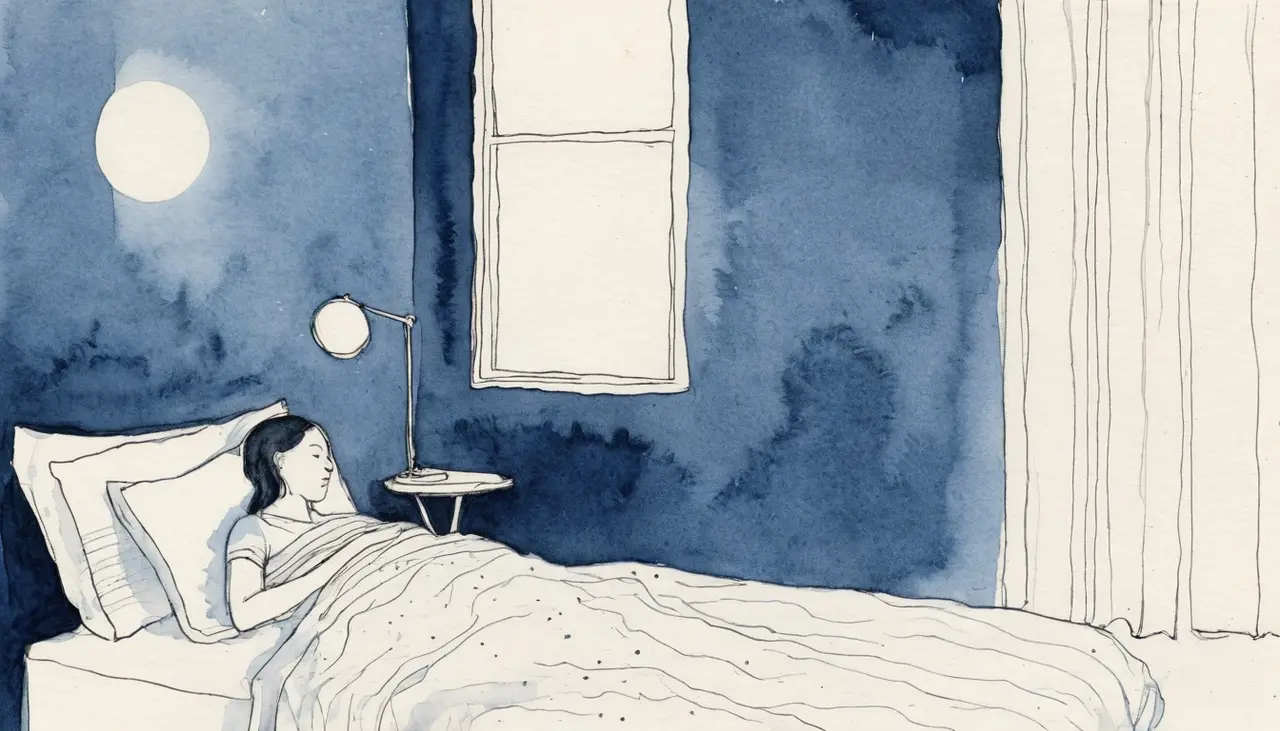
Yes. Alcohol can set up panic attacks, especially after the drinking is over. The frightening part is the timing: you may feel calm while drinking, then wake at 3 a.m. with a pounding heart, tight chest, shaking, dread, and the sense that something is very wrong.
That pattern has a body explanation. It is not "just in your head."
Why would panic show up after alcohol?
Alcohol slows the nervous system down at first. That is the part people reach for when they are stressed: the drink feels like it takes the edge off.
But the brain does not simply accept the slow-down. Research on alcohol's neurochemistry describes a rebound process: the brain compensates for alcohol's depressant effect, and as alcohol leaves the system the nervous system can swing toward a temporarily over-excited state.
In plain language, alcohol presses the brake, then the body pushes back. When the alcohol wears off, the pushback can be what you feel: wired, shaky, alert, scared, and unable to settle.
Why does it often hit at night or the next morning?
The panic tends to arrive when the blood alcohol level is falling or has returned toward zero. That is also when hangover symptoms peak for many people. NIAAA lists anxiety and irritability among hangover symptoms, along with thirst, fatigue, headache, nausea, sweating, and higher blood pressure.
So the timing makes sense. The drink may have helped you fall asleep. Later, your sleep is lighter, your body is clearing alcohol, your heart may be beating harder, and your brain is scanning the signals as danger. Panic is the alarm system turning up too loud.
Not every panic attack after drinking is alcohol's doing. But when the episodes cluster after drinking nights, alcohol has earned a place on the suspect list.
Panic symptoms vs. signs to get checked
A panic attack can feel like a heart problem: chest tightness, shortness of breath, tingling, a racing heart, nausea, dizziness, or a sense of doom. If these symptoms are new, severe, different from your usual panic, or come with chest pain, fainting, weakness on one side, confusion, or trouble breathing, do not self-diagnose from an article. Get medical care.
That boundary matters because two things can be true. Alcohol can trigger panic-like episodes, and some symptoms deserve real evaluation anyway.
If the panic includes thoughts of self-harm, feeling unsafe with yourself, or dread that feels unmanageable, call or text 988 for immediate support. The 988 Suicide and Crisis Lifeline is available all day, every day for emotional distress.
The calm-now, panic-later loop
The cruel part is that alcohol can seem to solve the same anxiety it later worsens. A stressful day ends, a drink softens the noise, and the brain learns: this works. Then the rebound arrives overnight or the next day, making anxiety worse. The next evening, the same drink looks useful again.
That loop can deepen over time. Peer-reviewed research finds alcohol problems and mood conditions such as depression commonly occur together, with each tending to worsen the other. That explains why alcohol as the main anxiety tool tends to get expensive.
The question underneath: is it panic, or is it anxiety I have been medicating?
Most people who search this are really asking a second question they have not said out loud — whether the drinking is a response to an anxiety problem that was already there, or the cause of one that was not. Both happen, and the honest answer is that they are hard to tell apart from the inside.
The clinical picture is that they travel together. NIAAA's clinician resource on co-occurring conditions lists the conditions that most often show up alongside alcohol use disorder: depressive disorders, anxiety disorders, trauma- and stress-related disorders, other substance use disorders, and sleep disorders. Anxiety is on that list, not an outlier on it.
The trauma line is the one that surprises people. NIAAA puts PTSD alongside alcohol use disorder in roughly 15 to 30 percent of cases, and 50 to 60 percent among military personnel and veterans — and describes alcohol as commonly used to numb memories of a traumatic event or to cope with posttraumatic stress. If the 3 a.m. panic has a specific memory attached to it rather than a free-floating dread, that is worth saying to a clinician rather than filing under hangover anxiety.
What that does not mean is that you can sort the direction yourself from a two-week calendar. NIAAA describes multiple causal pathways and shared risk factors running in both directions. The calendar below is still worth keeping — it just tells you whether alcohol is in the pattern, not whether it started it. Someone who can ask about your history can take that further than a page can.
What helps in the moment
In the middle of a panic spike, the job is smaller than solving your whole drinking pattern: lower the alarm.
- Lengthen the exhale. Try breathing out longer than you breathe in for a few minutes. The point is not perfect calm; it is a signal to the body that you are not running.
- Name the timeline. "I drank last night. My nervous system may be rebounding. This is scary, and it can pass."
- Ground through the room. Put both feet on the floor. Name five things you can see, four you can feel, three you can hear.
- Avoid the bargain drink. Another drink may feel like it would fix the panic, but it can restart the same rebound cycle.
What helps the pattern
Look for the connection before you make a dramatic rule. For two weeks, put drinking nights and panic episodes on the same calendar. Track rough amount, sleep, wake-ups, caffeine, stress, and panic intensity. You are not building a case against yourself. You are checking whether the pattern is real.
If the panic reliably follows drinking, the most direct experiment is smaller drinking nights, earlier stop times, or alcohol-free nights. Many people report anxiety easing when they cut back. Nobody can promise the panic disappears with the drinks — it is simply a reasonable pattern to test.
For related reading, see alcohol and anxiety the next day, stopped drinking and anxiety went away, and social anxiety and alcohol.
FAQ
Can one night of drinking cause a panic attack?
Yes, it can. Some people notice panic after a single heavier night, especially if sleep is poor, the drinking was late, or anxiety was already high.
Does quitting alcohol stop panic attacks?
Sometimes panic episodes ease when alcohol is reduced or stopped, especially if they were clustered after drinking. But panic can also have other causes, so persistent or severe symptoms deserve a clinician's help.
Is a racing heart after drinking always panic?
No. A racing heart can happen with anxiety, dehydration, poor sleep, alcohol rebound, or a medical issue. New, severe, or unusual symptoms should be checked.
This article is general education, not a diagnosis. Seek urgent care for chest pain, fainting, severe confusion, trouble breathing, or symptoms that feel medically dangerous; call or text 988 if panic or dread makes you feel unsafe with yourself.
- Body & physical health
Does Alcohol Cause Anemia? How Drinking Affects Your Blood
Heavy drinking can cause anemia by disrupting blood-cell production and nutrition. Why fatigue cannot diagnose it, and which bleeding signs need urgent care.
- Hangovers & the day after
Drinking and Constipation the Day After
Alcohol can slow the next-day bathroom pattern for some people; compare the whole night around it, and know when bowel changes need care.
- Hangovers & the day after
Vomiting the Day After Drinking: What To Know
A safety-first guide to day-after vomiting after alcohol, with clear red flags and no home remedy or detox protocol.
- Hangovers & the day after
How To Sober Up Fast: What Actually Changes the Answer
A blunt, safety-first answer on why there is no reliable fast sobriety hack, what food and showers cannot do, and when the moment needs help.
- Understanding your drinking
Why Do I Black Out When I Drink?
An answer-first Q&A on why alcohol blackouts happen, why they can happen after different amounts for different people, and when a memory gap is a safety warning.
- Body & physical health
Can Alcohol Damage Your Heart? Understanding Alcoholic Cardiomyopathy
How chronic heavy drinking can weaken the heart muscle, how holiday heart differs, and when heart symptoms need urgent care.


Be the first to hear when Clero launches.
Join with email only. Clero is still in development, so this is educational content today — not treatment, a prescription request, or medical advice.
First to hear at launchLaunch news only — no spamUnsubscribe anytime