
Why Do I Crave Carbs After Drinking Alcohol?
Carb cravings after drinking are your body chasing quick fuel: alcohol drops blood sugar and dopamine just as hunger hormones spike. What actually helps.
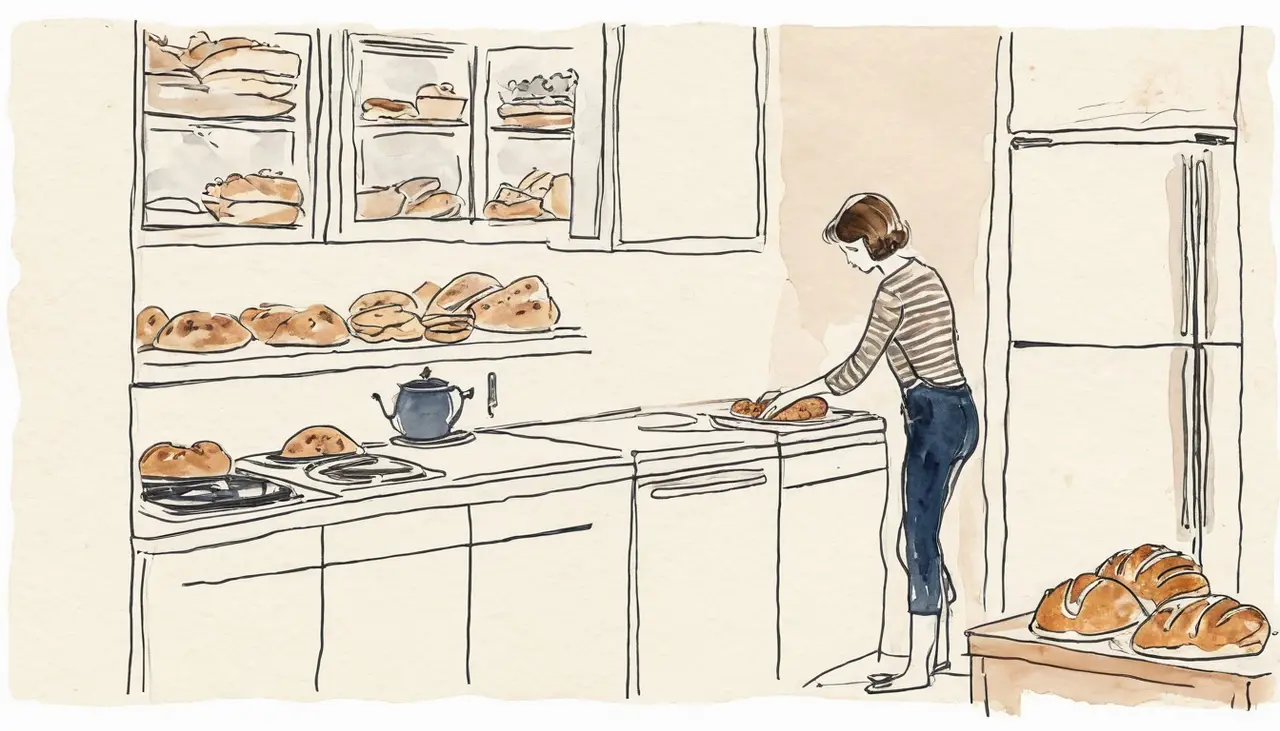
Carb cravings after drinking are often part of the wider day-after picture: poor sleep, thirst, nausea, fatigue, irritability, and a low-reserve morning can make fast comfort food feel unusually persuasive.
That does not prove a blood-sugar problem. It also does not mean you need a diet rule the next day. The useful move is to connect the craving back to the drinking pattern that came before it.
Why carbs and sweets feel so compelling after drinking
The morning after drinking can feel like your body is asking for the fastest possible reset. Bread, pasta, cereal, sweets, and salty-starchy food are easy to want because they are simple, familiar, and quick.
Alcohol can also make sleep worse, and poor sleep makes almost every craving louder. If you wake up tired, thirsty, nauseated, anxious, or irritable, your brain may reach for food that feels like immediate relief rather than food that fits some ideal plan.
NIAAA lists hangover symptoms that include fatigue, thirst, headache, nausea, anxiety, irritability, sweating, and increased blood pressure. That cluster is enough to explain why the day after can feel like low reserve, even without making a narrow claim about one mechanism.
Is it a blood sugar issue?
It might be for some people, but this search result cannot tell you that. Craving carbs after drinking is not the same as diagnosing a glucose problem.
What you can notice safely is timing. Does the craving show up after one glass, after several drinks, after late-night drinking, after poor sleep, or after drinking without eating much? Does it come with shakiness, sweating, nausea, anxiety, or a hard crash? Those details are more useful than a self-diagnosis.
If you have diabetes, take medication that affects blood sugar, are pregnant, faint, feel confused, or have symptoms that worry you, treat that as a clinician question rather than a willpower question.
Does craving carbs mean I drank too much?
Not by itself. But it can be a clue that the amount, pace, or timing of drinking is not sitting well with your body.
It helps to use standard drink language instead of vague memory. NIAAA defines a U.S. standard drink as 0.6 fluid ounces, or 14 grams, of pure alcohol. That is a measuring tool, not a moral score.
The CDC defines binge drinking and heavy drinking using drink-count thresholds: 4 or more drinks for women or 5 or more for men on one occasion for binge drinking, and 8 or more drinks per week for women or 15 or more for men for heavy drinking. Those thresholds do not explain your carb craving. They help you place the night in a public-health frame.
If the cravings mostly appear after nights that meet or approach those patterns, the food craving is not the whole story. It is one more way your body is reporting back.
What not to turn this into
Do not turn the craving into punishment math. A rough morning does not require a strict fast, a compensating workout, a supplement stack, or a clean-eating speech to yourself.
That kind of overcorrection can keep alcohol at the center of the next day. The night becomes shame, the morning becomes repair, and the body becomes a project. For many people, that keeps the loop alive.
A calmer read is: "When I drink this way, the next day gets noisy." The noise may be hunger, sugar cravings, anxiety, poor sleep, irritability, or a need to cancel plans. You do not have to solve all of it at once to learn from it.
A quick pattern check
Use three columns, not a food plan.
- Before drinking: mood, meal timing, stress level, social setting, reason you poured or ordered the first drink.
- During drinking: approximate number of standard drinks, pace, whether you meant to stop earlier, whether food was part of the evening.
- After drinking: sleep quality, morning mood, nausea, thirst, carb or sweet cravings, shame, and what you wanted the food to fix.
After three or four examples, you may see the useful part. Maybe the craving follows late drinking. Maybe it follows drinking when sad. Maybe it follows a certain room, person, or "I deserve this" thought. That pattern is more actionable than arguing with one bagel.
When should I bring it up with a clinician?
Bring it up if cravings after drinking are frequent, intense, paired with symptoms that scare you, or part of a larger pattern where drinking is getting harder to control.
Also bring it up if you are drinking heavily or daily and are thinking about stopping abruptly. This article is about a day-after food craving, not withdrawal safety. A clinician can help you sort what belongs to hangover, nutrition, medical history, mood, medication, or alcohol withdrawal risk.
For alcohol-related referral information, SAMHSA's National Helpline (1-800-662-HELP) is available 24/7 and is confidential.
FAQ
Why do I crave bread or pasta after drinking?
The simplest answer is that the day-after state can be low reserve: tired, thirsty, nauseated, irritable, and sleep-deprived. Quick familiar food can feel like the fastest relief.
Are sugar cravings after drinking different from carb cravings?
They can feel different, but they often belong to the same day-after pattern. The useful question is when they appear and what kind of drinking night usually comes first. Sugar cravings have their own mechanism — a blood-sugar dip plus the liver putting alcohol first — while salt cravings and general day-after hunger run on the same overlap of fluid loss, low reserve, and habit.
Should I track calories after a night of drinking?
This page is not a weight-loss or diet guide. For this topic, tracking the drinking pattern and the next-day craving is more useful than turning the morning into calorie accounting.
This article is general education, not a diet plan, glucose diagnosis, supplement protocol, or medical advice; frequent or worrying symptoms belong with a licensed clinician.
- Body & physical health
Why Do I Crave Salt After Drinking Alcohol or When Hungover?
Salt cravings after drinking are real: alcohol flushes sodium and fluid, and your brain rewards salt. What helps when you're hungover — and what doesn't.
- Cravings & triggers
Why do I crave alcohol?
Alcohol cravings are your brain's learned shortcut — cues, stress, and habit loops firing together, not weak willpower. What drives the pull and what helps.
- Body & physical health
Drinking and Feeling Puffy or Bloated
Puffiness after drinking is mostly a fluid rebound; the bloated stomach is a separate gut effect. Why salt and short sleep make it worse, and what actually helps.
- Body & physical health
Why Do I Crave Sugar After Quitting Alcohol?
A nonjudgmental Q&A on sugar cravings after quitting or cutting back, without diet rules, supplements, or blood-sugar diagnosis.
- Body & physical health
Does Alcohol Make You Hungry? Why the Drunchies Hit So Hard
Yes — alcohol scrambles hunger signals and lowers the brakes at the same time. Why the drunchies hit, and what actually changes the late-night pattern.
- Hangovers & the day after
What Actually Causes a Hangover?
A hangover is a pile-up, not just dehydration: fluid loss, fragmented sleep, stomach irritation, inflammation, acetaldehyde, and the rebound after the buzz.


Be the first to hear when Clero launches.
Join with email only. Clero is still in development, so this is educational content today — not treatment, a prescription request, or medical advice.
First to hear at launchLaunch news only — no spamUnsubscribe anytime