
Alcohol and Headaches the Day After
The headache the day after drinking is usually a stack: temporary fluid loss, broken sleep in the back half of the night, and for some people a flushing reaction.
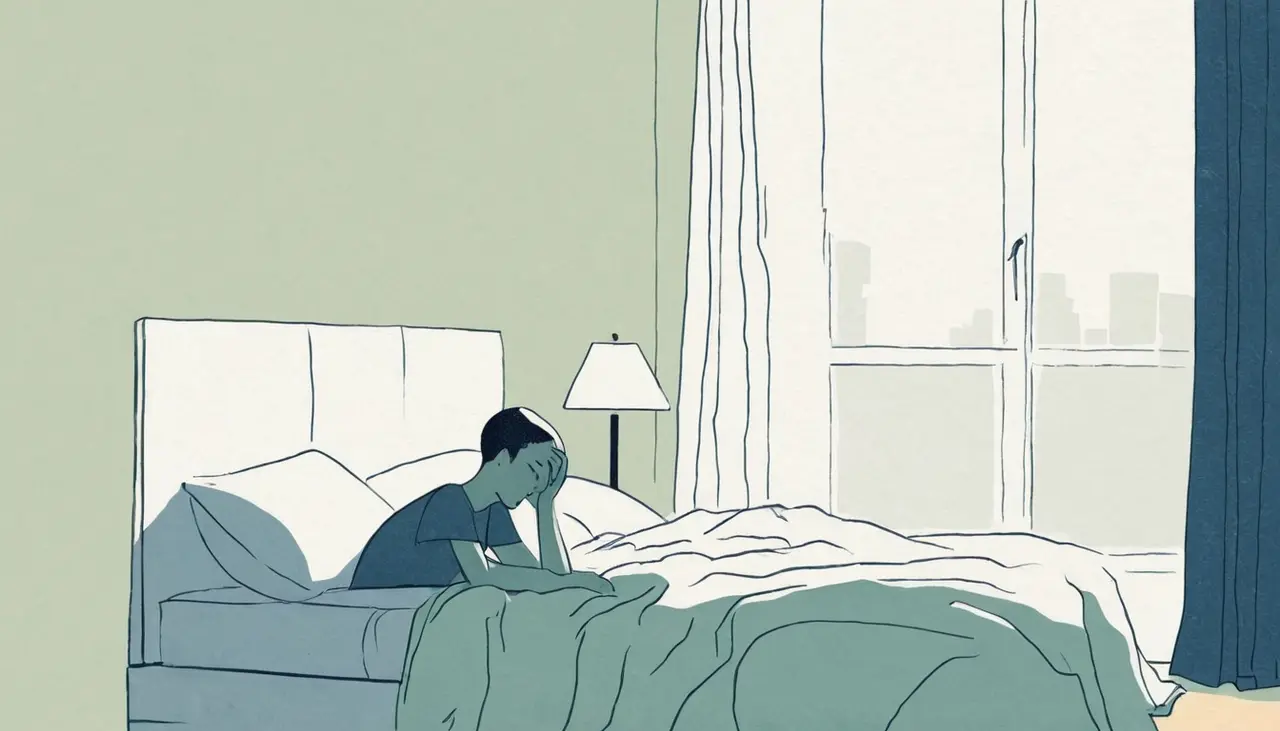
Headaches around drinking are common, they show up on more than one timeline, and which timeline yours follows is the best clue to what is driving it.
When people say "an alcohol headache," they mean at least three different things: the pounding after a long night out, the dull morning pressure after two glasses of wine, or an ache that arrives while the glass is still in hand. For the most common version, the next-day headache, here is the short answer: it is usually a stack of the things covered below — temporary fluid loss, the flushing reaction for some people, and a back half of the night with broken sleep. So the most useful first move is to describe yours: when it starts, how often, how much alcohol came before it, and whether it is changing.
The amount you drank, and why it is easy to undercount
Start with amount, because the count is what makes a pattern readable. The CDC defines a U.S. standard drink as 0.6 ounces, or 14 grams, of pure alcohol. A large wine pour, a strong mixed drink, or a beer with a higher-than-usual alcohol percentage can quietly be more than one standard drink even though it looks like a single serving.
That is why a phrase like "I only had a few" is hard to work with. The CDC calls it binge drinking when someone has 5 or more drinks for men, or 4 or more for women, on a single occasion, and heavy drinking when it reaches 15 or more drinks a week for men or 8 or more for women. Those thresholds do not explain your headache on their own. They give you a sharper way to spot a heavier night than guesswork does.
For everyday context, the CDC's moderate-drinking reference is 2 drinks or less in a day for men and 1 drink or less in a day for women. But there is no clean number where a headache switches on: the same two drinks that leave one person fine can flatten the next, and your own threshold can shift from one night to another. In general, the more you drink and the longer a heavy stretch runs, the more your odds of feeling it climb.
Is my headache really just dehydration?
Dehydration is part of the story for some people, but it is not the whole story, and "alcohol always dehydrates you" oversells it. In one carefully controlled trial — the same people drank each kind of beverage on separate occasions, with meals kept identical, so the drinks could be compared head to head — stronger drinks like wine and spirits made people pass more urine from about two hours onward but no longer by 24 hours, while beer did not differ from non-alcoholic beer at any point. So fluid loss tends to be real but temporary, and it varies with what you drank.
That is also why hydration alone is not a guaranteed fix. Sleep, pace, food, stress, and how fast your body clears alcohol all stack on top of it. People often ask about wine components too, like tannins, sulfites, or histamine; there is more on those in the questions at the end. And if you also wake up feeling swollen, drinking and feeling puffy or bloated covers that piece.
Where drink type matters
Drink type can matter, but it should not steal the headline from amount. NIAAA's hangover overview notes that darker drinks such as red wine, brandy, whiskey, and dark beer contain more congeners, which can worsen hangover symptoms for some people.
That explains why one person swears red wine or whiskey is the headache trigger. Amount, pace, sleep, food, sensitivity, and drink type all stack. If your question is whether beer before liquor makes you sicker, the drink-order myth has its own page.
Look at the flushing reaction, not just a plain hangover
For some people this is the real story, and it is worth knowing the difference. As your body breaks alcohol down, it briefly produces a harsher substance called acetaldehyde, then clears it away using an enzyme called ALDH2 — essentially the cleanup step. When that cleanup step runs slow, acetaldehyde builds up after drinking and produces a flushing reaction that can include facial redness, a faster heartbeat, palpitations — the feeling of your own heart pounding or fluttering — low blood pressure, nausea, and headache. This is especially common in people of East Asian descent.
If your "headache after one drink" comes bundled with a hot, red face and a racing heart, that cluster is a clue worth naming. If facial changes are a regular part of what you notice, alcohol and skin changes goes deeper.
Does poor sleep make the next-day headache worse?
Often, yes. Alcohol near bedtime can speed how fast you fall asleep but then leave the back half of the night lighter and more broken up, so overall sleep quality drops even when total hours look normal. A poorly restored night gives a head that already tends to pound less to work with.
This is one reason two people with the "same" drinks can wake up feeling completely different. The drinks were one input. Sleep, food, and pace were others. And if the bigger pattern for you is exhaustion more than pain, why am I so tired after drinking fits better.
What can I actually try without buying anything?
If the headache is already here this morning, the options are modest: water and a real meal can take the edge off the fluid-loss piece, but they will not erase it, and the rest is mostly rest and time. The list below is about making the next one smaller or rarer. None of these is a cure or a promise — they are low-stakes habits, no product or plan required, and they double as a way to watch your own pattern.
- Drink water alongside, not just after. Sip water between drinks instead of trying to catch up the next morning. Staying ahead on fluids is gentler than playing catch-up.
- Eat before and during, not on an empty stomach. A real meal beforehand, plus something with the drinks, slows the night down so it does not land all at once.
- Slow the pace and space the drinks. More time between pours, and some fully alcohol-free days, gives your body more room than a fast back-to-back night.
- Protect the night's sleep. Drinking close to bedtime tends to fragment the rest of the night. A consistent wake time helps.
- Count standard drinks, not pours, and note the timing. Write down when the headache starts and whether it is severe, repeating, or changing. Compare similar days, a quiet night with a quiet night, rather than a party against a Tuesday.
For the moments the urge to pour comes back, how to handle alcohol cravings and urges is the fuller toolkit. If the bigger question is body change over time, alcohol and weight changes is the better fit.
When is a headache more than a headache?
This is the part to take seriously as self-knowledge. A page like this can help you name a pattern, but it cannot tell you whether what you feel is a migraine, a tension headache, or something else that needs a person to evaluate it. Talk with a licensed clinician if the headaches are severe, new, repeating, getting worse, tied to other symptoms, or showing up after small amounts of alcohol. And if you drink heavily every day and want to cut back, talk to a clinician before stopping suddenly, because stopping cold can be medically risky for some patterns of drinking.
A clinician is also the right person for the medication question. Which pain reliever is safe to combine with alcohol, whether a supplement or hydration product does anything, whether a certain drink is fine for you — those questions belong with a pharmacist or clinician who can see your whole picture.
A few quick ones
Why do I get a headache after only one drink?
There are known reasons this happens. The best understood is the flushing reaction described above: when that acetaldehyde cleanup runs slow, a single drink can be enough to bring on a headache, usually alongside a hot face and a racing heart. Drinking quickly or on an empty stomach can also make one drink land harder than the size of the pour suggests.
Is a wine headache caused by tannins, sulfites, or histamine?
Nobody has proven or disproven any of the three. Tannins, sulfites, and histamine are all plausible suspects, and that is the honest state of the evidence: much discussed, still unsettled. If a wine headache keeps repeating, bring the specifics — which wine, how much, how quickly it started — to a clinician.
Will cutting back make alcohol headaches go away?
Maybe, maybe not. A lighter stretch can make the pattern far easier to see, and some people do notice fewer next-day symptoms. But it is not a promise that the headaches stop on a schedule, and a headache that persists or worsens still deserves a real look.
The useful job here is narrow and doable: name the timing, count the drinks without rounding down, skip the remedy promises, and bring anything that gets worse, shows up more often, or arrives after less and less to someone who can actually evaluate you.
This page is general education, not a diagnosis. Use it to sharpen what you tell a licensed clinician — the sorting-out itself is their job, not a webpage's.
- Alcohol Questions
Drinking and Constipation the Day After
Alcohol can slow the next-day bathroom pattern for some people; compare the whole night around it, and know when bowel changes need care.
- Alcohol Questions
Why Am I So Tired After Drinking?
Alcohol wrecks the second half of your night — lighter, broken sleep even after a full eight hours in bed. Why dehydration is only the supporting actor.
- Alcohol Questions
Stopped Drinking and Anxiety Went Away: Can That Happen?
A non-diagnostic Q&A on why anxiety may ease for some people after changing drinking, and when anxiety needs more support.
- Alcohol Questions
Does Cutting Back on Alcohol Make You Tired?
Yes, feeling more tired after cutting back on alcohol is common, because your sleep is still rebuilding. How long it lasts, and when fatigue is a warning sign.
- Alcohol Questions
Drinking and Feeling Puffy or Bloated
Puffiness after drinking is mostly a fluid rebound; the bloated stomach is a separate gut effect. Why salt and short sleep make it worse, and what actually helps.
- Alcohol Education
Alcohol and Inflammation: How Drinking Stokes the Body's Alarm System
A mechanism-first explanation of how heavy drinking can drive inflammation through the gut and immune system.


Be the first to hear when Clero launches.
Join with email only. Clero is still in development, so this is educational content today — not treatment, a prescription request, or medical advice.
First to hear at launchLaunch news only — no spamUnsubscribe anytime