
Does Alcohol Make You Hungry? Why the Drunchies Hit So Hard
Yes — alcohol scrambles hunger signals and lowers the brakes at the same time. Why the drunchies hit, and what actually changes the late-night pattern.
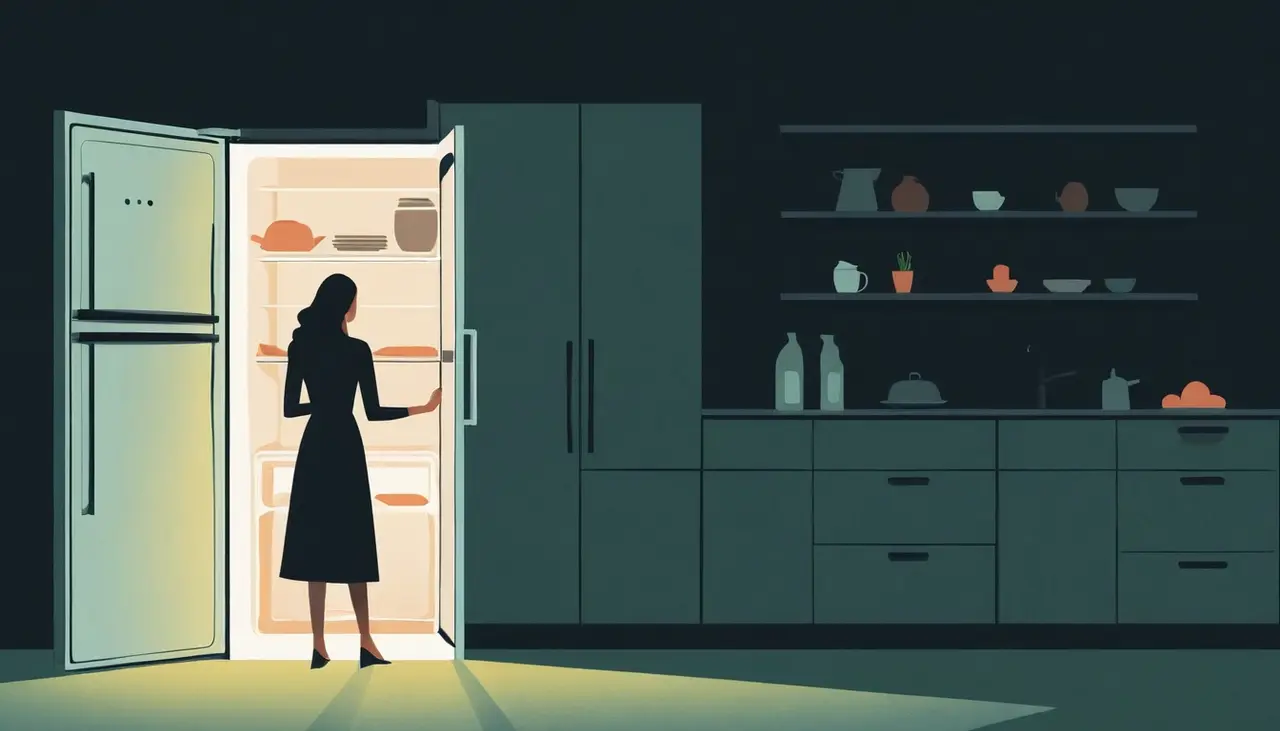
Yes. Alcohol can make you hungry, even though it contains calories. That is the annoying paradox behind the drunchies: a calorie-dense drink can still leave you raiding the fridge, ordering fries, or eating far past the point you planned.
The reason is not one single hunger switch. Alcohol changes the body's priorities, can disturb fuel signals, and lowers the brakes that usually shape late-night choices.
Why would calories make you hungrier?
Alcohol carries energy, but the body does not handle it like a normal food. NIAAA explains that the body cannot store alcohol and works to clear it, prioritizing alcohol metabolism.
In plain language, your body drops other tasks to deal with alcohol. That can scramble the usual rhythm of hunger, fullness, and steady energy. You may have taken in calories and still feel like your body is asking for food.
That does not mean every craving is biochemical. Sometimes the hunger is partly habit: drink, snack, stay up later, eat what is easy. But the body side is real enough that "Why am I starving after drinking?" is a fair question.
What does blood sugar have to do with it?
Alcohol can complicate the way energy feels. Some people notice a hungry, shaky, urgent feeling later in the night or the next morning. The exact pathway can vary by person, food, drink amount, sleep, and health context, so it is better not to oversell one simple hormone story.
The practical point is easier: drinking can make appetite feel less predictable. NIAAA's human-body overview places alcohol's effects across multiple systems, including digestive and metabolic processes involved in how the body registers fuel.
If your drinking nights reliably become late-night eating nights, treat that as a pattern, not a character flaw.
The lowered-brakes part
Some of the drunchies are not hunger at all. They are permission.
Alcohol lowers inhibition. The food you would normally skip feels easier to justify. The plan you made at 5 p.m. matters less at midnight. The part of you that remembers tomorrow morning has a quieter voice.
That is why the food is often highly specific: salty, greasy, sweet, easy, delivered, eaten standing up, or eaten while still half in the drinking mood. The craving is not only for fuel. It is for continuation.
Does the amount you drink change the hunger?
It appears to, at least above a certain amount. In one small study of 12 men, a drink came half an hour before lunch, and what they ate at that meal was measured. Intake was higher after the larger dose — 5,786 kJ after 4 units against 4,928 kJ after 1 unit — and that was on top of the energy in the drink itself. The 4-unit condition also brought more high-fat salty food, and hunger was rated higher through the day.
The comparison is the detail that matters. The significant jump was 4 units against 1 unit, not alcohol against the no-alcohol drink the same men also tried. The authors put their conclusion the same careful way: an effect that shows up above a threshold, partly through higher subjective hunger.
So this is a measured lunch in a laboratory, not a record of anyone's night out, and it should not become calorie math. What it does suggest is that the dose is doing some of the work, and that where a night lands on that curve may matter more than willpower at midnight.
That is an argument for settling the food question early, while the count is still low and your brakes are still mostly online.
What actually helps
Forget diet rules for a moment; the more useful target is the drinking-driven setup that makes late-night eating feel automatic.
- Eat real food before the first drink. Not as a cure, and not to "earn" alcohol. A steadier dinner can reduce the urgent late-night gap.
- Pre-decide the late option. Put one food choice in writing before drinking starts. If you want something later, that is the default.
- Move the decision earlier. Order or make food before the second drink, not after the fourth.
- Change the first drink or the last drink. If the appetite spiral starts after a specific point, the drink count is part of the food pattern.
- Track the pair. For two weeks, write down drinks and late-night eating side by side. You are looking for the hinge.
One objective anchor comes from NIAAA's definitions of how much is too much: for men, more than 4 drinks in a day or 14 per week; for women, more than 3 in a day or 7 per week. If drunchies-heavy nights cluster near those numbers, the food issue may be pointing back to the alcohol pattern.
The morning-after appetite rebound
Some people are not hungry while drinking and then feel ravenous the next day. Others eat heavily at night and still wake up craving carbs, salt, or sugar. Both patterns can happen.
Rather than trying to fix the next morning perfectly, look upstream. Did drinking replace dinner? Did it push bedtime later? Did it turn a normal snack into a second meal? Did the next-day hunger follow the same drink count every time? If drinking did stand in for the meal, drinking on an empty stomach covers how that changes the night itself, not just the morning.
A reliable fix for alcohol-driven eating is usually fewer or smaller drinking nights — no morality in that, just the lever that sits closest to the pattern.
For related reading, see drinking and your blood sugar, alcohol and weight changes, does eating sober you up fast, and why am I so tired after drinking.
FAQ
Why do I eat so much when I drink?
Alcohol can disturb hunger and energy signals, and it also lowers inhibition. The combination makes late-night eating feel more urgent and less negotiable.
Are the drunchies just poor self-control?
No. Choices still matter, but alcohol changes the conditions under which you make them. Planning before drinking works better than arguing with yourself late at night.
Will eating before drinking stop it?
It may help, but it is not guaranteed. If appetite spirals only after a certain drink count, changing the alcohol pattern matters more than finding the perfect meal.
This article is general education, not nutrition or medical advice. If eating changes are severe, persistent, or tied to blood sugar symptoms, medication, pregnancy, diabetes, or another health condition, talk with a licensed clinician.
- Mind & mood
Does Alcohol Change Your Personality? What Actually Changes — and What Only Feels Like It Does
Alcohol can make you feel like a different person, but lab evidence suggests observers mainly see a narrower social shift.
- Understanding your drinking
Drinking and Gaming: Does Alcohol Improve or Hurt Your Focus?
A few drinks can make gaming feel looser, but alcohol dulls attention, memory, and reaction time. Why it feels like better play — and how to spot the slide.
- Mind & mood
Why Does Alcohol Make Some People Angry?
Alcohol can make anger louder by weakening judgment and self-control. The mechanism explains the pattern; it never excuses harm.
- Body & physical health
Does Cutting Back on Alcohol Make You Tired?
Yes, feeling more tired after cutting back on alcohol is common, because your sleep is still rebuilding. How long it lasts, and when fatigue is a warning sign.
- Body & physical health
Does Alcohol Make You Bruise Easily? What's Going On With Your Blood
Why heavy drinking can affect platelets, clotting, and bruising, how the liver fits in, and when new bleeding signs need medical attention.
- Body & physical health
Does Alcohol Slow Your Metabolism? What the Body Actually Does
Alcohol does not switch metabolism off. The liver converts ethanol to acetaldehyde, then acetate, while drinks add calories that may affect weight.


Be the first to hear when Clero launches.
Join with email only. Clero is still in development, so this is educational content today — not treatment, a prescription request, or medical advice.
First to hear at launchLaunch news only — no spamUnsubscribe anytime