
How to Handle Alcohol Cravings and Urges
A practical toolkit for the moment a craving hits: spot your triggers, set up your environment, and use simple delay, distract, and ride-it-out tactics from NIAAA.
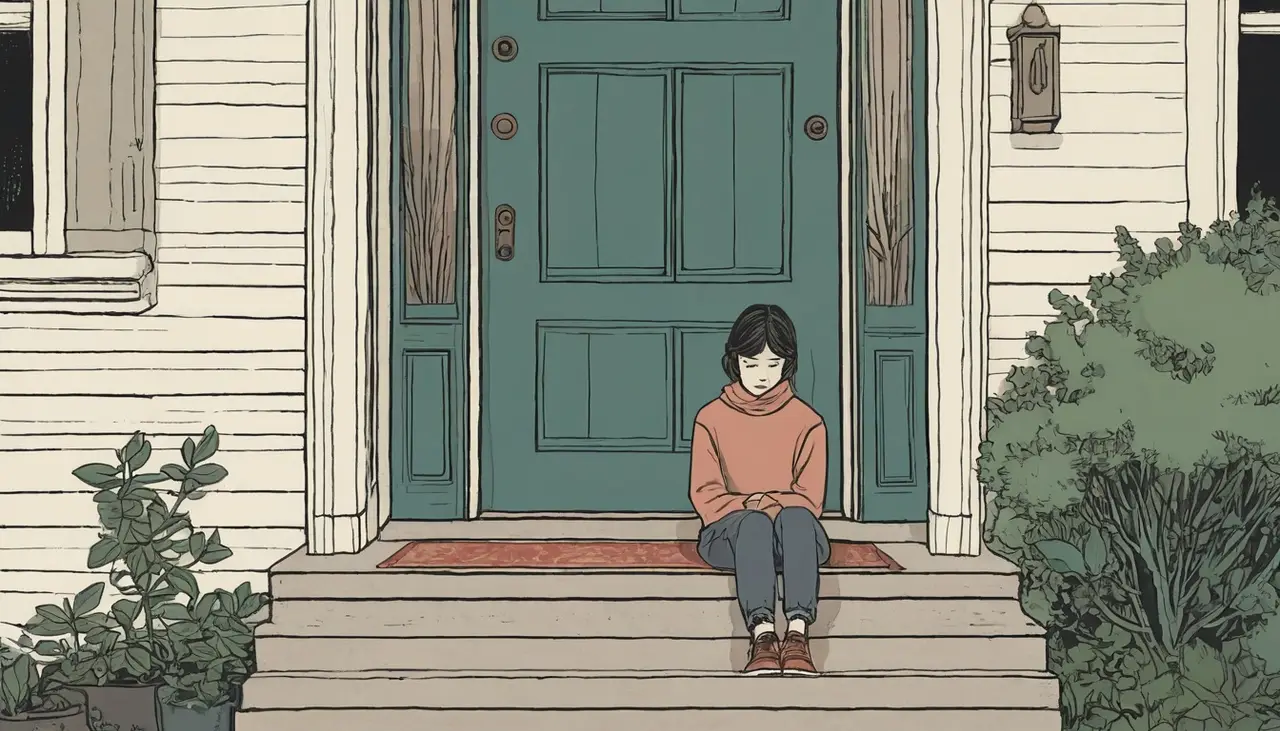
It is 6 p.m. and the kitchen goes quiet in that specific way. The day is done, dinner is not, and somewhere between hanging up your bag and deciding what is next, a pull arrives. Not a thought, exactly. More like a tug toward the cupboard, the counter, the bottle that lives there. You have not decided anything yet, but your body has already started to.
Here is the part nobody tells you in the moment: that pull is not a verdict. It is a wave. It rises, it crests, and if you do not feed it, it falls — usually faster than it feels like it will while you are standing in it.
This is not a willpower problem, and noticing a craving is not the same as failing. Wanting a drink when 6 p.m. has meant a drink for years is your brain doing exactly what it was trained to do. What you need is not more grit. You need a small, repeatable thing to do with your hands and your next ten minutes. So this page hands you one: a way to ride the wave instead of arguing with it.
Why a craving acts like a wave
A craving feels permanent while it is happening and looks tiny an hour later. That gap is the whole game.
NIAAA's Rethinking Drinking describes urges to drink as short-lived, predictable, and controllable. They tend to arrive on a schedule, in the same places, after the same cues. That predictability is the good news. A pattern you can name is a pattern you can plan around — and a wave you know is coming is a wave you can prepare to ride.
The cue itself does most of the heavy lifting. A craving fires when something in your world — a time, a room, a feeling — matches the setup your brain has learned to pair with a drink. NIAAA frames the whole approach as recognize, avoid, cope, the same order cognitive behavioral therapy — a structured form of talk therapy — uses: see it coming, weaken what you can, and have a move ready for what is left. You do not have to white-knuckle anything for hours. You have to get to the far side of one wave without drinking, then do it again next time. Each ride drains a little of the cue's automatic pull.
The wave-riding kit
Think of it as one job in two parts: thin the waves out before they hit, then have a few small moves for the ones that come anyway. Five steps total. None of them asks you to win an argument.
Map the waves before they break
For one week, jot down what was happening right before each strong urge — the time, the place, who you were with, and how you felt. You are not diagnosing anything. You are building a short list of the cues that matter most for you.
Triggers come in two kinds. External ones are people, places, times, and things: the 6 p.m. kitchen, the bar with old friends, the bottle on the counter, Friday at 5. Internal ones are feelings and states: stress, boredom, loneliness, tiredness, hunger, anger, even good news worth celebrating. Do it now: open a note on your phone and write down the last urge you remember — when, where, and how you felt. One line is enough to start the map. If your cravings cluster at the same time each day, when your cravings come at the same time every day goes deeper on that pattern.
Shrink the cue
The easiest wave to ride is the one that barely breaks. Once you know your triggers, change what you can so the cue arrives weaker. Keep alcohol out of the easiest-to-reach spot, or out of the house entirely for a while — distance buys you the seconds to make a real choice. Eat before the window when you usually pour, because hungry and tired is a setup. And give the hard hour a job in advance, so autopilot has less blank space to fill.
Do it now: move the bottle somewhere inconvenient and put a non-alcoholic option where the first drink usually starts — same glass, same chair. What to drink instead of alcohol has ideas that feel like a real drink, and how to build an evening routine without alcohol walks through the dinner-to-bedtime block.
Buy ten minutes
When an urge shows up anyway, you do not need your whole life plan. You need the next ten minutes. So delay the decision. Tell yourself you can decide in ten minutes — after a shower, after you eat, after one episode. You are just saying not yet, not never. Most urges soften inside that window. This is the single move NIAAA's strategies for handling urges keep coming back to, and it works precisely because the wave is time-limited.
Do it now: name a ten-minute delay out loud and pick one thing to do inside it.
Surf, do not fight
Here is the move the framework is named for. Instead of wrestling the feeling down, let it be there and watch it. This is sometimes called urge surfing: the craving rises like a wave, crests, and passes if you do not feed it. Fighting a wave keeps you in the water longer. Watching it lets it carry you to the other side.
Naming it helps — "this is the wave, it will crest" is steadier than panic. So does giving your body something to count while you watch: breathing techniques for alcohol cravings walks through a ten-breath version of exactly this ride. So does a deliberate distraction that takes some attention: a walk, a shower, ten minutes of a hobby, stepping outside. Line up a few options ahead of time — a short one, a medium one, a long one — so you are not deciding what to do while the urge is loud. Do it now: the next time one rises, set a timer and narrate the wave to yourself until the timer ends.
Say it to one person
A craving stays loud partly because it stays private. So make it less private. Text someone a single line: "Trying to get through tonight without drinking — no need to fix it, just saying it out loud." Naming the moment to one person makes it less automatic. It is also worth keeping your top two or three reasons for cutting back somewhere you can pull up fast — a note, a card in your wallet, a saved message — because in the moment, reading your own words back beats trying to remember them.
Do it now: pick the one person you would text and write the message before you need it, so it is ready to send. If the urge tends to hit late, why alcohol cravings hit at night maps this same approach to that window; if it follows a fight, how to handle cravings after an argument gets closer to the moment.
When the kit does not hold
Some nights you will run the whole sequence and still pour one. The framework did not fail, and neither did you — that night is data.
A slip does not erase the week. The most useful response is a quick, unromantic restart: notice what the trigger was, put away what is left, and treat the very next decision as the fresh start — not some Monday in the future. Restart the next pour, not next month. How to restart after breaking a streak covers this without the shame spiral that usually does more damage than the slip itself.
It also helps to aim at something you can actually check. "Drink less" is too vague to act on; "no drinks before 9," "two standard drinks maximum," or "track every pour before I drink it" give you a target and a way to know how the night went. NIAAA describes a U.S. standard drink as 0.6 fl oz, or 14 grams, of pure alcohol — a large pour or strong cocktail can be more than one. How to set realistic goals when cutting back and how to track your drinking without an app keep this simple.
And know the line where this stops being a craving to ride out. Talk with a licensed clinician if urges feel unmanageable, if you repeatedly drink more than you planned, if you feel physically unwell when you cut back, or if you drink heavily every day — in that last case, plan any stop with a clinician rather than quitting suddenly. Call 911 for shaking, tremor, racing heart, repeated vomiting, agitation, confusion, hallucination, or seizure after reducing or stopping alcohol. Those are withdrawal warning signs, not waves. Stigma keeps a lot of people quiet longer than they should be — NIAAA names stigma as one of the most consistently reported barriers to getting help, and SAMHSA's National Helpline is a free, confidential 24/7 service for individuals and families at 1-800-662-HELP. If the quiet is partly about not having anyone to ask, a licensed clinician can look at your pattern and talk through whether a medication like naltrexone belongs in your kit.
What to keep
Back to that quiet 6 p.m. kitchen. The wave will still come tonight. What changes is what you do while it crests: you map it, shrink it, buy ten minutes, surf it, and say it out loud to one person. None of that is heroic. It is just a set of small moves you can run again tomorrow.
So before the usual trigger arrives, write yourself a two-line plan: one thing you will change in your environment, and one ten-minute move you will use when an urge shows up. Keep it small enough that you will actually do it. The goal was never to win an argument with the wave. It was to still be standing when it falls.
This article is a coping toolkit, not a diagnosis or a treatment plan — if drinking has started to feel bigger than a wave you can ride, take it to a licensed clinician who knows your history.
- Medication & treatment
How to Drink Less Without AA: A Practical Cutback Framework for People Who Aren't Doing a Program
Drinking less without AA works best as four weekly jobs: measure honestly, plan a number, prepare for the hard moment, and check in.
- Social events & holidays
How to Handle Pride Events When You're Cutting Back on Drinking
A practical Pride Month pacing guide for brunches, parades, block parties, clubs, and house gatherings when you want the day to include less alcohol.
- Social events & holidays
How to Handle Labor Day Weekend When You're Cutting Back
Cutting back on Labor Day starts with a plan for each gathering. Set an arrival and exit time, count actual pours, and have a reply ready for refills.
- Medication & treatment
Preparing for a Loved One Coming Home From Alcohol Rehab
Prepare for a return from alcohol rehab by agreeing on practical help, contacts, and your availability. Questions to settle before the ride home.
- Cravings & triggers
How to Handle Cravings After an Argument
A craving after an argument crests fast and breaks on its own, so move the drink decision ninety minutes out and leave the room with the bottle in it.
- Social events & holidays
How to Handle an Airport or Flight Day When You're Cutting Back
A practical airport-day framework for cutting back when lounges, delays, boredom, and travel stress make drinking feel available at any hour.


Be the first to hear when Clero launches.
Join with email only. Clero is still in development, so this is educational content today — not treatment, a prescription request, or medical advice.
First to hear at launchLaunch news only — no spamUnsubscribe anytime