
How to Handle a Bachelorette or Bachelor Party While Cutting Back
A bachelorette or bachelor weekend is a route with a dozen small forks, not one big test of willpower. Four checkpoints to set before you pack.
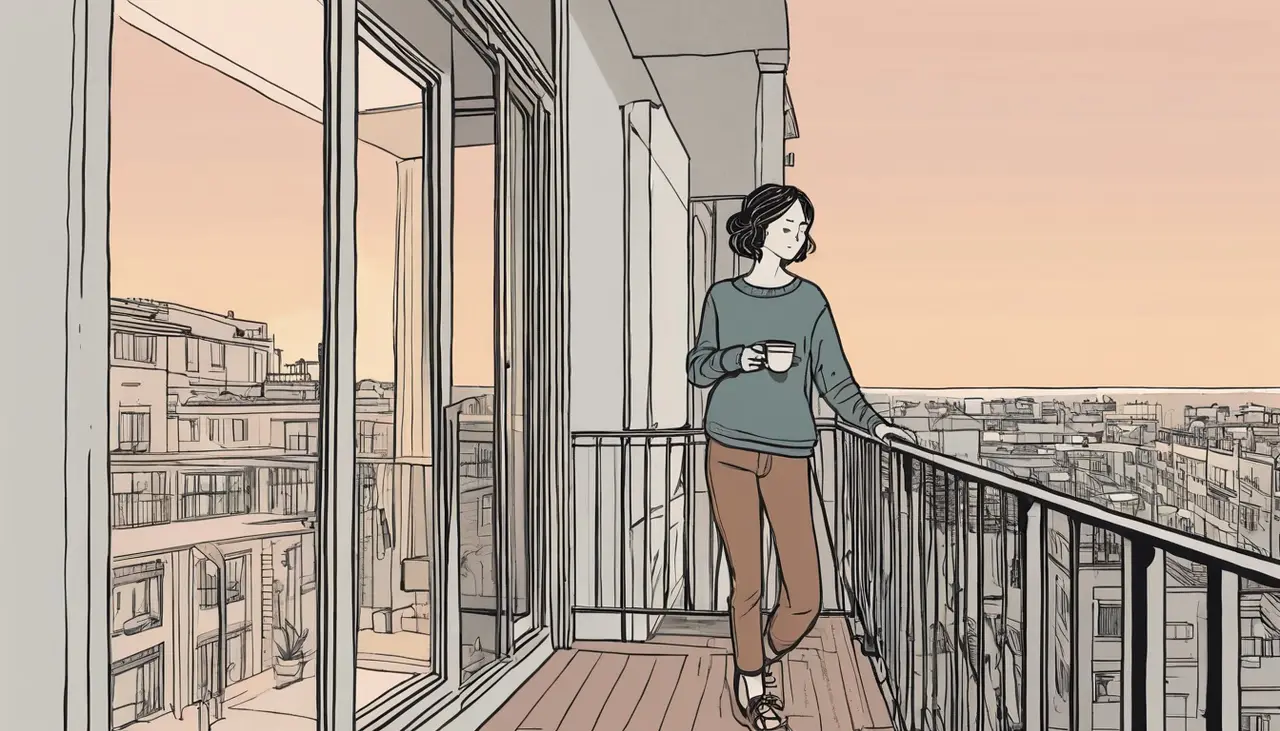
It's 11 a.m. on the first day and someone is already pouring mimosas. The group photo, the matching shirts, the itinerary printed on cardstock — and a drink in your hand before lunch, with two more days of this stretching out ahead. You want to be here for your friend. You just don't want the whole weekend to be a blur you piece together later from the group chat.
Here's the thing worth knowing before you pack: the drink in front of you right now is not the problem. The problem is the arc — the way brunch flows into a pool afternoon flows into dinner wine flows into the last bar, and the next morning it starts again. A bachelorette or bachelor weekend isn't one decision about one toast. It's a route with a dozen small forks in it. So instead of white-knuckling a vague plan to "drink less," you're going to treat the weekend the way you'd treat any trip: as a map with a few named checkpoints. That's the whole tool.
Why the weekend, not the willpower, is the hard part
You are not weak because a two-day celebration is harder to pace than a Tuesday night. It genuinely is harder, and the reason is structural.
On an ordinary night, one setting means one drinking context, one decision, one exit. A destination weekend collapses four or five of those into a single continuous ribbon with no natural stopping point built in. Nobody announces "the drinking part is over now." Each pour hands you straight to the next one, and momentum does the rest — the pour at brunch makes the pour at 4 p.m. feel already-decided. That's not a character flaw showing up. That's just how a long, cue-rich stretch works on anyone. When you stop trying to win the whole weekend in one heroic act of restraint and start making a handful of small, specific calls instead, the thing gets a lot more workable.
It helps to have a shared unit for what you're actually pacing. NIAAA counts one U.S. standard drink as 0.6 fluid ounces, or 14 grams, of pure alcohol — a 12-ounce beer, a 5-ounce glass of wine, a 1.5-ounce shot. Those aren't lines where something switches on; they're just a way to see the chain clearly instead of losing count. The same NIAAA page describes binge drinking as the pattern that brings blood alcohol to about 0.08% — often 5 or more drinks for men, or 4 or more for women, in roughly two hours — which is exactly the intensity a well-stocked rental kitchen and a "we're on vacation" mood can produce without anyone deciding to get there.
The map: four checkpoints for the weekend
Think of the weekend as a route with four kinds of checkpoint. You don't need a rule for the trip. You need a call for each checkpoint, made a little ahead of time, so momentum isn't the thing making it for you.
Name your role before you leave
Decide who you are this weekend before the first drink, not during it. If you're the maid of honor, the best man, or the one holding the group together, split that job clean from your drink count — the two have nothing to do with each other. You can run the ride, keep the reservation, wrangle the photos, hold the bag, and mind the clock while pacing yourself, and honestly it's often easier to do those things when you're a step clearer than the room. Do it now: pick your job for the weekend and tell yourself what it is. "I'm the one keeping us on schedule" is a role. "The one who matches every round" is not a job — it's just drift.
Tell one person, quietly
You don't owe the group an announcement. You owe yourself one ally. Before the first event, pull the planner or a trusted friend aside and say the low-key version: "I'm pacing myself this weekend, but I'm in for everything." That one sentence, said early and calm, keeps your first swap-to-water from turning into a table-wide interrogation, because someone already has your back. Do it now: pick the person, and say it before anyone's had a drink, while it's an easy aside instead of a scene.
Break the weekend into rooms
"I'm cutting back this weekend" is too big to hold, because the weekend isn't one thing — it's a brunch, a pool day, a dinner, a bar, a rental-house after-hours, each with its own pull. So don't decide for the weekend. Decide for the room you're walking into. Bottomless brunch and a boat afternoon call for different moves than a late dinner. Give the formats that run on autopilot — the refillable mimosa, the pitcher, the open kitchen counter — a switch point you set in advance: two, then I'm on soda water. Do it now: look at the day's plan and pick, per block, roughly where you want to land.
Give the late night its own exit
The last stretch is where a good plan quietly unravels, because "one more" at midnight costs almost nothing to say and three more hours to undo. So decide your exit before the exit gets hard. "I'm calling it after this one" lands easily at midnight and gets slippery at 2 a.m., once the momentum's fully rolling. You're not ducking out on your friend — you're leaving while the night is still a good memory. Do it now: pick tonight's rough out-time, and let future-you thank you for it.
For a sense of the public-health reference points hovering behind all this: the CDC describes moderate drinking as 2 drinks or less in a day for men and 1 or less for women, and notes some people — anyone pregnant, under 21, on certain medications, or in recovery — for whom the intended amount is none. A multi-day itinerary makes those day-level reference points very easy to blow past without noticing, which is the whole reason the map exists.
When the map doesn't hold
Some checkpoint is going to go sideways. You'll get handed a drink you didn't plan on, or the brunch runs four hours, or you sail past your number on Saturday and feel like the whole weekend's blown. It isn't.
One heavy block is not a failed weekend. It's one block. The map has three more checkpoints in it, and the next one resets clean the moment you decide it does — the afternoon doesn't owe anything to the morning. If a particular fork keeps catching you — friends who won't stop topping you off, the specific ache of watching everyone else go loose while you stay level — those are their own skills, and there's a full walkthrough for each: handling friends who keep offering you drinks and handling FOMO when you're cutting back. For the plain urge to pour between events, the craving toolkit is the deeper kit. And if you're planning around other big-occasion weekends, the same map redraws for a summer wedding, a vacation, and a day-drinking event.
What a lighter weekend actually shows you
Take one or two days lighter than the group and something quietly clarifies: the friend, the photos, the terrible dancing, the inside jokes, the coffee the next morning — that was always the point. The drinking was one format the weekend came in, not the friendship itself. And you get a bonus map for next time, because you'll know exactly which checkpoint needs more planning: the brunch refill, the boat afternoon, the pre-game in the rental, or that last bar.
So the one thing to carry out of here: don't try to win the weekend. Win the checkpoint in front of you, then the next one. Before you go, write your four calls on a note in your phone — your role, your one person, your per-room number, your out-time — and keep the friend, not the drink count, at the center of the trip.
This is general education, not medical advice. If you drink daily or heavily, cutting back suddenly can be genuinely unsafe — talk with a licensed clinician first, or call the SAMHSA National Helpline at 1-800-662-HELP (4357) for a free, confidential, 24/7 referral.
- Quitting & sobriety
How do I stop drinking?
Stopping drinking starts with safety, not willpower. If you drink heavily every day or have had withdrawal symptoms, ask a clinician what level of care is safest before you stop suddenly. If you are medically stable, the next step is to choose support that matches your goal, privacy needs, and risk level: therapy, peer support, medication education, primary care, telehealth, outpatient treatment, or a higher level of care.
- Social events & holidays
How to Handle FOMO When You're Cutting Back on Drinking
FOMO is rarely the whole night — it is the people, the place, the drink, or the feeling. Name which corner is hot, give it one small move, and set the phone down.
- Social events & holidays
How to Handle Thanksgiving When You're Cutting Back on Drinking
Thanksgiving is an all-day drinking cue: plan the timeline, family lines, and first sober holiday pressure before the table fills.
- Social events & holidays
How to Handle Summer BBQs and Cookouts When You're Cutting Back
A cookout has no clock, so bring your own: pick your first drink, your spot, your line, and your exit before you go. Decide once, not forty times.
- Social events & holidays
Drinking at a Wake or Funeral When You're Cutting Back
You can decline the drink and still be there for the goodbye. How to handle the glass at the door, the toast, and the late-night kitchen while cutting back.
- Social events & holidays
How to Handle a Baseball Game or Stadium Event While Cutting Back
At a ballgame, set your number before the first pitch and count the 24-ounce souvenir cup as two drinks, not one. A plan that runs on the game's own rhythm.


Be the first to hear when Clero launches.
Join with email only. Clero is still in development, so this is educational content today — not treatment, a prescription request, or medical advice.
First to hear at launchLaunch news only — no spamUnsubscribe anytime