
Cutting Back When Work Happy Hour Is the Whole Social Plan
How to keep workplace visibility and relationships without letting happy hour make alcohol the ticket to belonging.
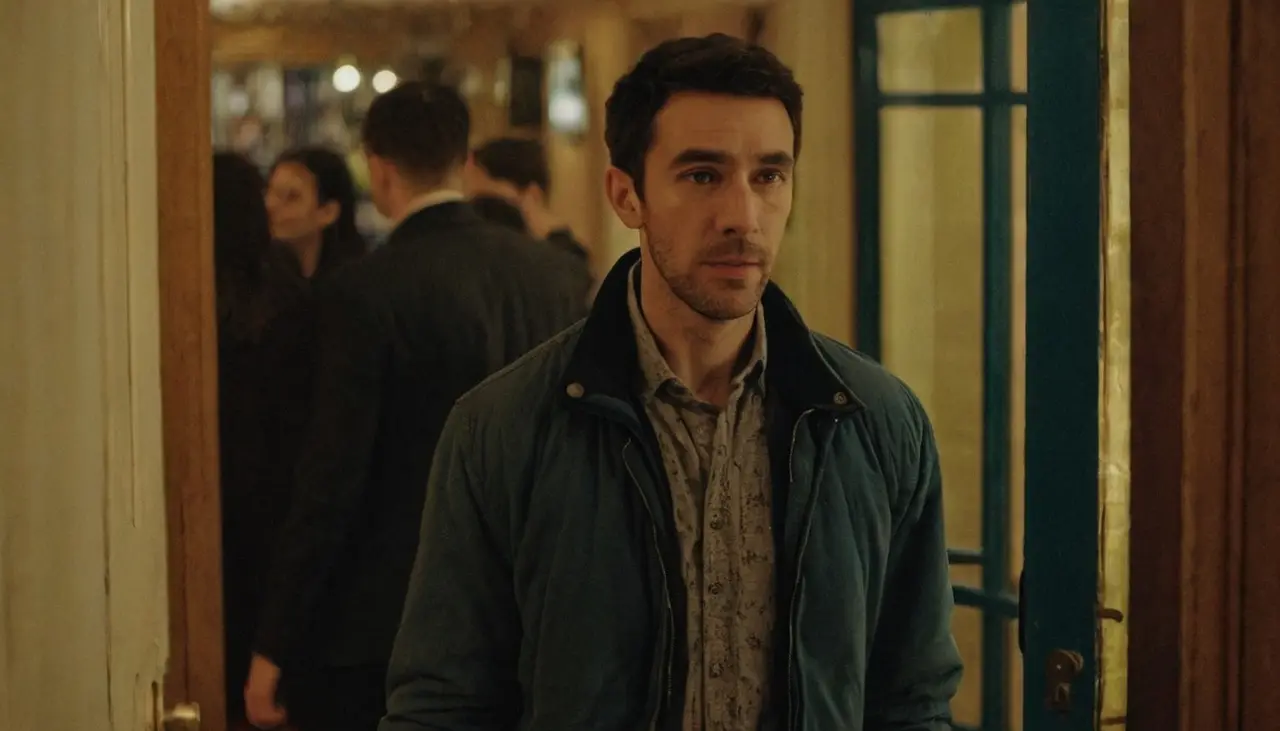
Work happy hour is hard because it is not only social. It can feel like networking, belonging, team visibility, and job culture all at once. You are not just turning down a drink; it can feel like turning down the room where decisions, jokes, and trust are being made.
Use the One-Round Map: decide what part of happy hour matters, show up for that part, and leave before the drinking-centered second event becomes the real plan. Cutting back does not require a public announcement. It does require knowing what you are there for.
Why work happy hour feels different
Outside work, you can skip a bar and see friends another way. At work, happy hour can feel like the unofficial meeting after the meeting. That feeling is real, even when nobody says it out loud.
The culture around drinking is broad enough that opting out can feel more visible than it should. NIAAA reports that 174.4 million U.S. adults, 66.5% of adults, reported past-year drinking in the 2024 National Survey on Drug Use and Health (NSDUH). In many workplaces, "want to grab a drink?" is a default social sentence, not a carefully chosen plan.
Alcohol can also reach back into work the next day. NIAAA states that hangovers can impair attention, decision-making, and muscle coordination. That matters when the morning after happy hour still asks you to write, drive, present, supervise, remember details, or make decisions. Where happy hour is a weekly fixture, whether drinking is affecting your work is worth checking against your actual output rather than your memory of the morning.
Decide what you are there for
Before you go, pick the point of attending. It might be:
- Visibility: you want people to see that you showed up.
- One relationship: you want ten minutes with a specific coworker.
- A transition: you want to mark the end of a project without staying late.
- Information: you want to hear what people are talking about, then leave.
Once you know the point, the drink loses some power. You can complete the purpose without staying for every round.
Do-it-now action: choose your exit before you arrive. "I am staying for one round." "I am leaving after I talk to one coworker." "I am going for food, not the second location." The exit is not antisocial. It is the boundary that keeps one work event from becoming a drinking night.
Hold something and skip the speech
If people ask what you want, the easiest answer is often a normal drink without alcohol: soda, water, coffee, tonic, whatever is available. No brand, no announcement, no "I'm not drinking now" unless you want to say it.
If someone notices, keep it boring:
- "I'm good with this."
- "Early morning tomorrow."
- "Taking it easy tonight."
- "I am pacing myself."
Then ask a work-neutral question. "How did the client call end?" "Are you going to the offsite?" "How was your week?" You are not trying to disappear. You are moving the social signal away from the glass.
Watch the second location
The first round is often not the problem. The second location is. A quick team drink becomes dinner, then another bar, then the late work story where the bonding gets intense and the next morning gets worse.
Name the second location as a separate decision. You can attend happy hour and skip the after-happy-hour. You can build relationships at 5:30 and still protect 9:00 tomorrow morning. That is not a contradiction.
The CDC lists issues at school or work, relationship problems, and memory problems among social and wellness problems associated with long-term alcohol use. That is not a warning that one happy hour will harm your career. It is a reminder that repeated alcohol-related work friction is worth noticing early, before it becomes part of your professional identity.
Move one relationship out of the bar
If happy hour is the only social plan, create one other plan. Ask one person for coffee, lunch, a walk, a meeting debrief, or a non-drinking event. Do not try to replace the entire workplace culture. Replace one relationship's default setting.
This is the quietest long-term move. Once one coworker knows you outside the bar, you are less dependent on the bar for belonging. The social plan starts to have more than one door.
If you manage people, this matters in another way: your choice can quietly widen the room. You do not need to make an announcement or turn happy hour into a policy discussion. Simply suggesting coffee, lunch, a walk, or an alcohol-optional venue can make participation less dependent on who is comfortable drinking after work.
When this is about more than one work event
If happy hour is where you repeatedly drink more than planned, lose memory, feel pressure you cannot handle, or arrive at work impaired the next day, treat that as a pattern. A licensed clinician can help you look at it, and SAMHSA says the National Helpline is confidential and connects people with local assistance and support. It is a referral resource, not a workplace authority and not counseling.
This page is not HR advice, employment-law advice, disability advice, or a script for telling your manager. It is a practical map for one recurring cue. If the workplace itself is unsafe or coercive, that is a different kind of support question.
For related reading, see how to handle work dinners when you're cutting back on drinking, when coworkers notice you're not drinking at the office, instead of drinking after work, and cutting back when you only drink with other people.
This article is general education, not workplace, legal, HR, or medical advice; if work drinking keeps affecting safety, memory, control, or next-day functioning, bring the pattern to a clinician or confidential support resource.
- Social events & holidays
How to Handle a Baseball Game or Stadium Event While Cutting Back
At a ballgame, set your number before the first pitch and count the 24-ounce souvenir cup as two drinks, not one. A plan that runs on the game's own rhythm.
- Social events & holidays
How to Handle a Concert or Music Festival When You're Cutting Back
At a concert or festival, the drinking happens in the gaps: set changes and bar lines, not the music. Plan the set breaks and the day stays yours.
- Social events & holidays
How to Handle Thanksgiving When You're Cutting Back on Drinking
Thanksgiving is an all-day drinking cue: plan the timeline, family lines, and first sober holiday pressure before the table fills.
- Social events & holidays
How to Handle the Fourth of July When You're Cutting Back
A ten-hour Fourth of July pours itself unless you set edges first. Decide your leave time and drink number in the car, then keep a non-alcoholic can in hand.
- Social events & holidays
How to Handle Labor Day Weekend When You're Cutting Back
Cutting back on Labor Day starts with a plan for each gathering. Set an arrival and exit time, count actual pours, and have a reply ready for refills.
- Cutting back & moderation
Cutting Back When You Can't Tell Anyone Yet
A private, nonjudgmental guide to the early cutback window when you are not ready to tell anyone.


Be the first to hear when Clero launches.
Join with email only. Clero is still in development, so this is educational content today — not treatment, a prescription request, or medical advice.
First to hear at launchLaunch news only — no spamUnsubscribe anytime