
How to Handle a Camping Trip When You're Cutting Back
A practical camping-trip framework for cutting back when the cooler, campfire, and remote weekend all make drinking feel built into the plan.
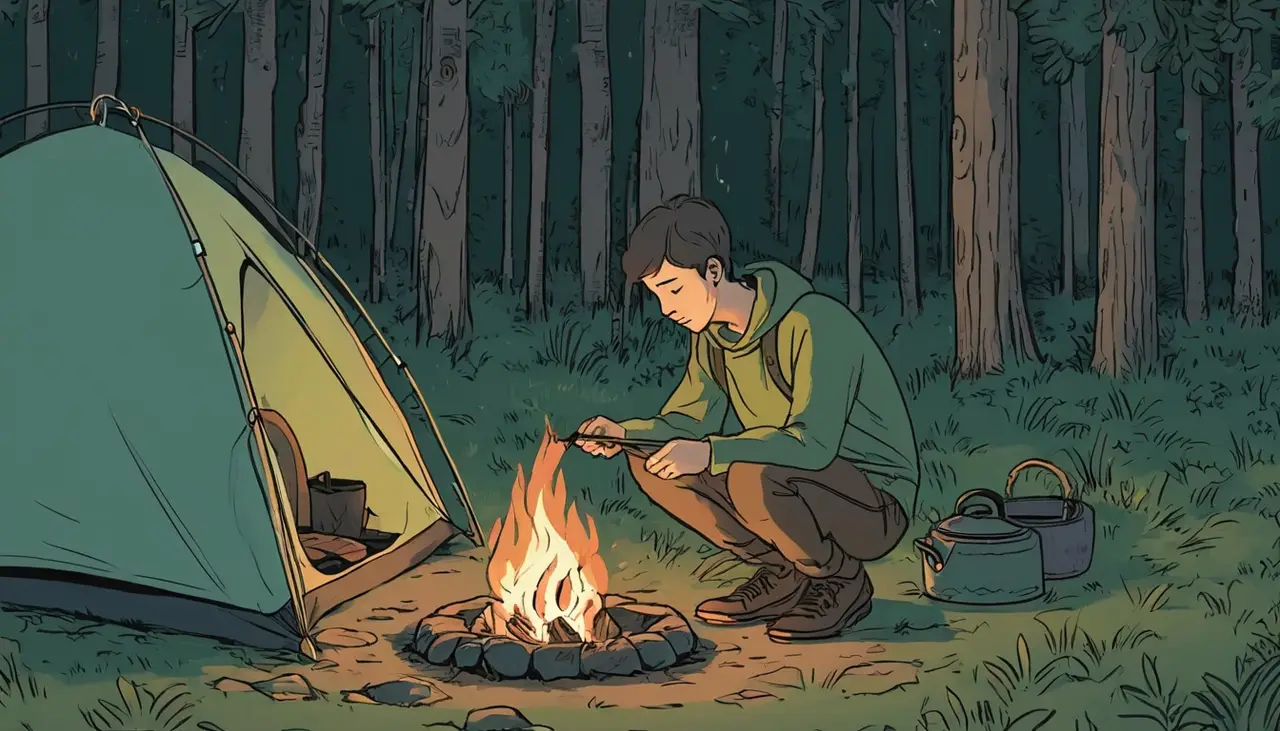
The cooler is open before the tents are up. Someone has already claimed the good chair by the fire. The day has no restaurant reservation, no last call, no normal bedtime, and no easy way to leave without making it a thing.
That is why a camping cutback needs a Fire Ring Plan. Pick the riskiest window before you pack, decide what goes in your own cooler, and give the campfire something to be besides a long refill loop. The trip can still feel like a trip. It just does not have to become a weekend-long drinking format.
Why camping can make drinking feel like scenery
Camping removes ordinary edges. Meals blur. The evening starts early. The fire makes sitting still feel like the activity. If the group has always treated camping as a drinking weekend, the alcohol can feel less like a choice and more like part of the gear.
That does not make the pull a willpower flaw. It makes it a cue problem. NIAAA reports that 57.0 million U.S. adults, 21.7% of adults, reported past-month binge drinking in the 2024 National Survey on Drug Use and Health (NSDUH). A drinking-heavy weekend is not rare, and it does not become easier to steer just because it happens outside.
There is also the morning-after reality. NIAAA says no hangover remedies have been scientifically proven effective and time is required for the body to recover. On a camping trip, "time to recover" may mean sleeping badly, waking in heat or cold, managing kids or gear, and still being far from your usual routine.
Pick the one window that usually gets you
Do not plan the whole weekend at once. Pick the window that usually pulls hardest. Is it arrival beers? The first night by the fire? The second afternoon when everyone is bored? The last night because "we're already here"? Choose one and build the plan around it.
Do-it-now action: write one sentence before you leave. "I am not drinking while setting up." "I am keeping the campfire to two." "I am doing the first night dry." "I am leaving the last morning clean." A narrow plan is easier to keep than a vague promise to be good.
Pack your own cooler lane
If your only easy reach is alcohol, the cooler has already voted. Put your own drinks and food where you can reach them without digging through everyone else's cans. This does not require a brand, a special beverage, or a performance of not drinking. It requires making the thing you want to choose easy to choose.
The cooler lane also helps with social pressure. When someone offers, you can lift what you already have and say, "I'm set." That phrase does a lot of work. It is short, true, and boring enough not to invite a debate.
Also decide what does not go in your own bag. If the group cooler is full of alcohol, your personal cooler can stay simpler: food, water, coffee, breakfast, and drinks you actually want in reach. A camping plan fails faster when every useful thing requires opening the same lid as the beer.
Give the campfire a role
The campfire is the heart of the trip, so do not pretend it is not. Instead, give yourself one role that keeps you part of it without making the drink the point: tend the fire, make food, take the early-morning coffee duty, manage the playlist, set up the chairs, tell the story, step away for a short walk before the second round.
This is not about staying busy every second. It is about interrupting the automatic reach. A drink can become the punctuation mark at the end of every pause. A role gives your hands and attention somewhere else to land.
Remote trips need a different safety check
Camping adds one issue that a backyard or dinner does not: distance. If you drink heavily or daily, a remote trip is not a good place to test sudden stopping. MedlinePlus describes alcohol withdrawal as possible when a person who has been drinking too much on a regular basis suddenly stops.
That does not mean you should keep drinking heavily on a trip. It means the plan should begin before the trip, with a clinician if withdrawal might be part of your pattern. A campsite is not the place to discover that shaking, severe confusion, hallucinations, seizure, or an irregular heartbeat needs emergency care.
When the weekend gets away from you
If the first night goes heavier than planned, do not make the second day a punishment. Reset to the next window. Eat, rest if you can, and decide what the next campfire will look like. NIAAA's hangover source is blunt that time is what recovery requires; trying to fix the body fast can become another form of bargaining.
If camping keeps becoming the place where your cutback disappears, a licensed clinician can help you look at the pattern. SAMHSA's National Helpline is also a free, confidential, 24/7 referral and information service for mental or substance use concerns. You do not have to wait for an emergency to ask where support starts.
For related planning, see drinking on vacation when you're trying to cut back, how to handle a summer house share or rental when you're cutting back, and how to restart cutting back after a vacation.
This article is general education, not outdoor-safety, detox, or medical advice; heavy daily drinking and withdrawal-shaped symptoms need clinician guidance, and severe confusion, hallucinations, seizure, or irregular heartbeat need emergency help.
- Medication & treatment
How to Drink Less Without AA: A Practical Cutback Framework for People Who Aren't Doing a Program
Drinking less without AA works best as four weekly jobs: measure honestly, plan a number, prepare for the hard moment, and check in.
- Social events & holidays
How to Handle a Baseball Game or Stadium Event While Cutting Back
At a ballgame, set your number before the first pitch and count the 24-ounce souvenir cup as two drinks, not one. A plan that runs on the game's own rhythm.
- Social events & holidays
How to Handle a Concert or Music Festival When You're Cutting Back
At a concert or festival, the drinking happens in the gaps: set changes and bar lines, not the music. Plan the set breaks and the day stays yours.
- Social events & holidays
How to Handle Halloween When You're Cutting Back on Drinking
Halloween gets easier when you decide the cup, the shot answer, and the exit before the night starts moving.
- Social events & holidays
How to Handle Pride Events When You're Cutting Back on Drinking
A practical Pride Month pacing guide for brunches, parades, block parties, clubs, and house gatherings when you want the day to include less alcohol.
- Social events & holidays
How to Handle Thanksgiving When You're Cutting Back on Drinking
Thanksgiving is an all-day drinking cue: plan the timeline, family lines, and first sober holiday pressure before the table fills.


Be the first to hear when Clero launches.
Join with email only. Clero is still in development, so this is educational content today — not treatment, a prescription request, or medical advice.
First to hear at launchLaunch news only — no spamUnsubscribe anytime