
How to Restart Cutting Back After a Vacation
A heavy vacation doesn't undo your cutback — but the first week home decides whether trip drinking becomes the new normal. Close the trip out loud, with a date.
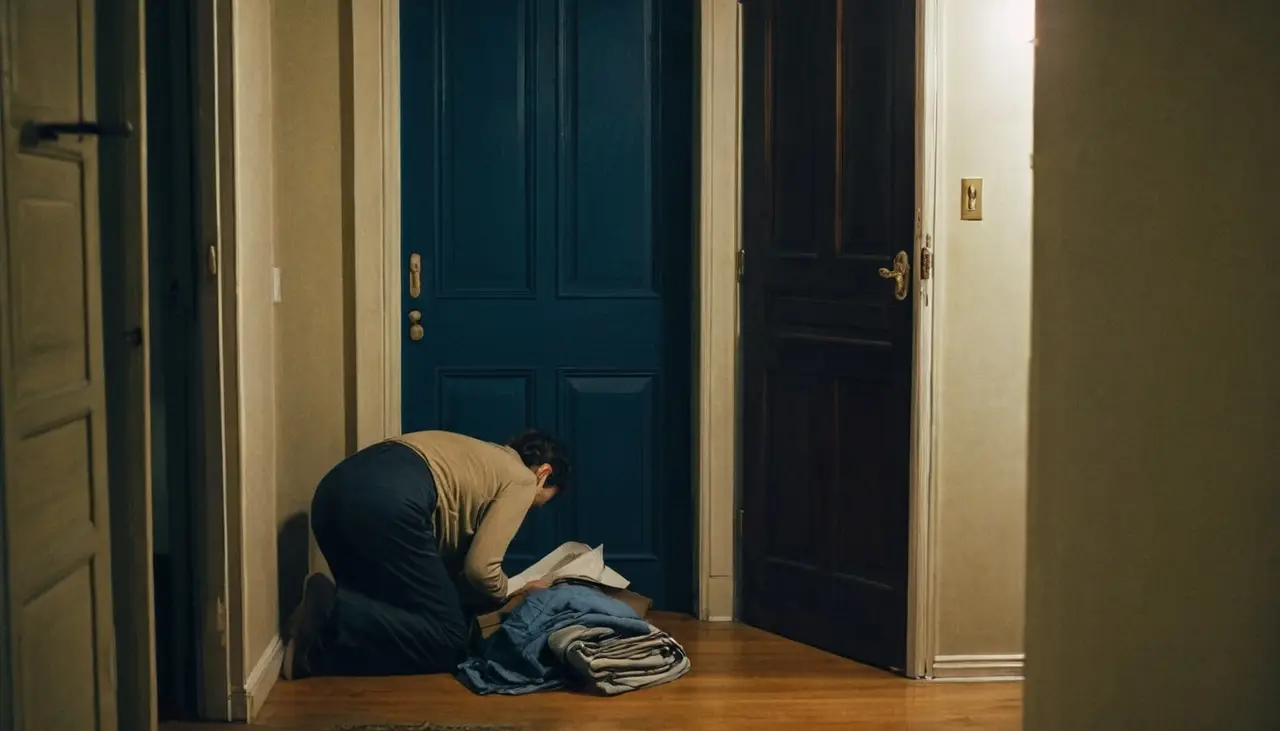
The suitcase is still by the door. It's Sunday night, the mail is in a pile, and as you pass the kitchen a half-formed idea catches up with you: one easy pour, because the trip isn't really over until tomorrow. The drinking ran heavier than you planned out there — you knew it by about day three — and now two arguments are running in your head at once. One says the cutback is ruined. The other says nothing counts until Monday.
Neither one is telling the truth.
A week of vacation drinking does not undo a month of cutback work. What you drink over a season matters more than what you drank over seven days — and the only week with the power to turn the trip into your new normal is this one. That's not a willpower problem you solve with clenched teeth. It's an unpacking problem, and you already know how to unpack. Everything comes out of the bag, gets looked at once, washed if it needs washing, and put back where it lives. Do the same thing with the trip. Call it the Unpacking Week.
Why the first week home feels sticky
Habits run on cues — the time of day, the place, the people, the drink in everyone else's hand. A trip quietly swaps out all of them at once: later nights, bigger dinners, rounds you didn't order, an "it's vacation" answer to every small hesitation. Your body learned that new timing fast, because it was pleasant and it repeated. Walking back through your own front door doesn't un-learn it. For the first three to seven days home, the trip cues keep firing on schedule — the Tuesday-night pour that arrives because some part of you still expects the hotel bar — while your ordinary routine slowly comes back online.
That's the whole reason to have a plan this week. Not because you're fragile. Because the cues are still on trip time, and they reset faster when you stop feeding them.
Unpack the trip like you unpack the bag
Five moves. None of them requires a dramatic gesture, and the first one takes under a minute.
Close the trip out loud
Say it plainly, with a date attached: "Vacation drinking ran heavier than planned. The cutback restarts today, the ___." The bridge drink — I'm home, but vacation isn't fully over — lives entirely in the space where that sentence hasn't been said yet. Once the trip has an official end, tonight stops being the trip's last round. Do it now: write the sentence, date filled in, somewhere you'll see it tomorrow evening.
Look at the week once, without the courtroom
Count what you can, honestly, one time. NIAAA's page on drinking patterns gives you the measuring stick: a U.S. standard drink is 0.6 fluid ounces — about 14 grams — of pure alcohol, which means a generous resort pour or a strong cocktail can quietly be two of them. The same page describes binge drinking as the pattern that usually pushes blood alcohol to 0.08 percent or higher — typically five or more drinks for men, four or more for women, inside roughly two hours. Those are shared definitions, not a line where damage switches on; they just let you see the trip in focus instead of through guilt fog. Notice where it ran heavy — the airport, the last two days, every dinner — because that detail matters in the final step. Then put the count down. Do it now: fill in the trip week wherever you track things — a simple weekly review works — and resist adding commentary.
Restart your pattern, not a punishment
Here's the question the whole week turns on: shouldn't you do a zero-drink week to make up for it? If zero is genuinely what you want, take it — that's a choice, and choices hold. If zero is a sentence you're serving, be careful. Punishment weeks feed the all-or-nothing loop: you white-knuckle to Thursday, "blow it" Friday, then keep going because it's already blown. Going back to the ordinary pattern you were building before the trip is less satisfying to announce and much easier to still be doing in three weeks. If you want outside context for what a lighter pattern even looks like, CDC's page on moderate drinking relays the Dietary Guidelines' suggestion — two drinks or fewer in a day for men, one or fewer for women, on days alcohol is chosen at all. Context, not a punishment tool. Do it now: name tonight's plan in checkable terms — a number, a start time, or an alcohol-free evening you actually want.
Let the boring week do its job
Sleep. Real food. Water, a walk, daylight, groceries. Restock the kitchen for the week you want rather than the week you had — the nonalcoholic option at eye level, the leftover duty-free bottle somewhere genuinely inconvenient. None of this is exciting, which is exactly the point: drama is the trip's currency, and routine is home's. An honest admission — these basics won't make the first evenings feel like nothing happened. The pull may still show up at the old trip hour. What they do is make each evening shorter, more familiar, and less negotiable, and familiarity is what puts your normal cues back in charge. If the pull gets loud anyway, cravings have their own toolkit. Do it now: move one bottle and stage one alternative before dinner.
Keep one souvenir
A few days in, write the single most useful sentence the trip taught you. "The first two days were fine; the last two slid." "It started in the airport, not at the dinners." "The trip was manageable — the week after was the exposed part." That sentence is the real value of the whole episode, because it makes the next trip cheaper: you'll know what to plan for before you go instead of discovering it on day three again. Do it now: put the sentence in your phone, right under the trip photos.
When Wednesday goes sideways anyway
Some reentry weeks include a night that doesn't follow the plan. That's one evening, not a verdict, and it definitely isn't permission for the "screw it" slide — vacation trying to own days it never earned. Watch for the identity bait too: vacation me was the real me. Vacation you was you, on vacation. It doesn't make weekday-you a fraud; it makes you a person who responds to setting, which is what the whole cue story predicted. The next morning, ask three quiet questions — what opened the door, what helped even a little, what would make tomorrow less dependent on mood — keep the useful sentence, and skip the courtroom speech.
When this needs more than an unpacking
Some trips read differently in hindsight. If the drinking was heavy or daily and going without now feels physically wrong, if every trip escalates the pattern a little further, or if "restart" keeps failing to happen week after week, this stops being an unpacking problem and becomes a conversation worth having with a professional. NIAAA names stigma as one of the most consistently reported barriers to alcohol care — people hide the trip week instead of mentioning it. You don't need a rock-bottom story to bring this up. A pattern you're curious about is enough.
The gap is real, and it isn't about you: NIAAA's treatment statistics show that in 2024 only 7.6 percent of people twelve and older with a past-year alcohol use disorder received alcohol treatment. Most people are simply never told what support exists — from structured behavioral tools to prescription options.
If you don't have a clinician to bring the after-trip pattern to, that's the gap Clero works in: it connects you by telehealth with a licensed clinician who can look at the whole picture with you, including whether a medication like naltrexone belongs in your plan.
Two things outrank every plan on this page. If going without a drink makes you shaky, sweaty, confused, or worse — and especially if there's a seizure or hallucination — that's a medical emergency: call 911 or go to an emergency room, because stopping suddenly after heavy daily drinking can be dangerous. And if the week home sinks toward feeling unsafe with yourself, call or text 988, the Suicide and Crisis Lifeline, any hour.
Tuesday, with the suitcase empty
By midweek the bag is back in the closet and the mail is answered. Give the trip the same treatment: closed out loud, counted once, pattern restored, kitchen restocked, one souvenir sentence kept. That's the entire job of the week — not penance, not a transformation, just a return. Tonight's move is small enough to do before the kettle boils: write the restart sentence, put a date on it, and plan one ordinary evening.
This page is education about getting back to a cutback after travel, not medical advice or a plan for managing withdrawal; for a free, confidential referral to substance-use support, SAMHSA's National Helpline is 1-800-662-HELP (4357), and the emergency numbers above — 911 for withdrawal danger, 988 for thoughts of self-harm — come before anything else here.
- Social events & holidays
How to Handle New Year's Eve When You're Cutting Back
New Year's Eve is easier to manage when you plan the first glass, the long middle, midnight, and the ride home before the party.
- Mind & mood
Alcohol and Vivid Dreams When You Cut Back
Vivid dreams after cutting back are usually REM rebound, not withdrawal. Why the dreams get so loud, how long the phase tends to last, and the signs that need care.
- Mind & mood
Comparing Yourself to Who You Were Before Cutting Back
Missing who you were before cutting back is really comparing a life to a cropped photo. What the highlight leaves out, and how the new you gets its reps.
- Social events & holidays
Cutting Back After a Wedding Weekend
One heavy wedding weekend doesn't end your cutback — it's data, not a verdict. Let your body recover first, repair only what needs it, then guard one weak point.
- Social events & holidays
First Time Going to a Bar After You've Been Cutting Back
Your first bar visit after cutting back really has three hard moments — the door, the order, and the second round. How to cross each one on purpose.
- Family & relationships
How to Set Boundaries With Family When You're Cutting Back on Drinking
A calm guide to extended-family drinking pressure, short answers, and exit plans when you are trying to drink less.


Be the first to hear when Clero launches.
Join with email only. Clero is still in development, so this is educational content today — not treatment, a prescription request, or medical advice.
First to hear at launchLaunch news only — no spamUnsubscribe anytime