
How to Handle a Golf Outing When You're Cutting Back
A practical golf-day framework for cutting back when the cart, clubhouse, slow pace, and after-round hangout all point toward drinking.
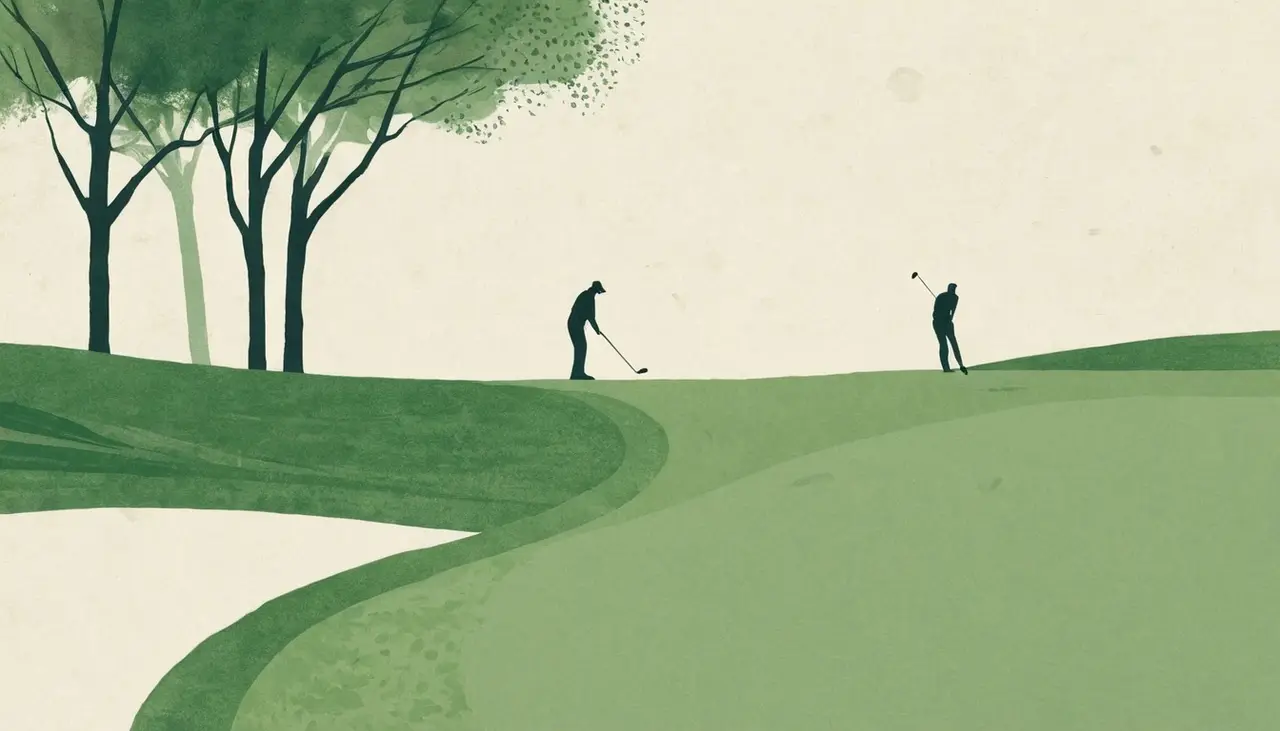
A golf outing can turn into a drinking day before the first hole feels settled. Someone mentions the cart. Someone jokes about a breakfast beer. The round is slow, the sun is out, and the clubhouse is already waiting at the end like part of the scorecard.
Use the First-Tee Frame: decide the shape of the round before the first offer, protect the turn, and set the after-round exit before the clubhouse starts making decisions for you. You do not have to decide your whole relationship with alcohol on the first tee. You only need a plan for this one round.
Why golf can feel like a drinking event
Golf has a rare cue chain. There is time between shots, a cart or cooler, a socially acceptable drink in daylight, a turn stop, and an after-round ritual. If you are trying to drink less, the hard part is not one beer. It is the way one beer becomes part of the pace.
The pattern is common enough that it should not surprise you. NIAAA reports that 57.0 million U.S. adults, 21.7% of adults, reported past-month binge drinking in the 2024 National Survey on Drug Use and Health (NSDUH). That is not a claim about golf. It is context: many adults are negotiating heavier drinking patterns in ordinary social settings.
The next day matters too. NIAAA states that hangovers can impair attention, decision-making, and muscle coordination. Golf may feel low-stakes, but the day often ends with a drive home, errands, family responsibilities, or a second location. The round is not separate from the rest of the day.
Decide before the first tee
Make the first decision before the first offer. It can be zero drinks on the course. It can be one at the clubhouse only. It can be no drinking before the turn. It can be leaving after the round instead of staying for the second event.
Say it in a sentence you can remember: "I am playing the round dry and leaving after food." Or: "Nothing until the clubhouse." Or: "I am driving, so I am not drinking today." You do not need a speech for everyone else. You need a sentence for yourself.
If you do drink, make the count real. CDC defines a U.S. standard drink as 0.6 ounces, or 14 grams, of pure alcohol. A tall can, strong pour, or mixed drink can blur the count quickly. The course does not get a different math system because the drink came from a cart.
Handle the cart without making it a referendum
The cart offer is easier if your hands are already busy. Hold water, coffee, an iced tea, a snack, a scorecard, anything that makes the first "no thanks" feel ordinary. You can say, "I'm good for now," and move on. That is not deception. It is just not turning your cutback into a group topic.
Do-it-now action: before the round, choose the first non-alcoholic thing you will hold. The first visible choice often sets the tone for the next three holes.
If someone presses, use the smallest truthful answer: "Early day for me," "Driving after," "Trying to keep tomorrow clean," or "Taking it easy today." Then ask about the shot, the score, the weather, the tournament, anything that returns the outing to golf.
If the group usually buys rounds together, handle money before the cart becomes a social vote. Pay for your own food or drink, skip the pooled beer run, or say, "Leave me out of the alcohol count." This keeps your cutback from depending on whether someone else remembers your plan at the cooler.
Protect the turn and the clubhouse
The turn is the quiet trap. You are halfway through, relaxed, maybe annoyed at your score, and the stop feels like a reset. Decide before you get there whether the turn is food, bathroom, water, or a drink. If you wait until you are standing there, the group will decide.
The clubhouse is a second event. Treat it that way. A round with friends and a two-hour after-round hangout are not the same plan. If you want the social part, go in with an exit: one food order, one conversation, one game recap, then leave. If you are trying to avoid the drinking-centered part, skip the clubhouse without apologizing for wanting your afternoon back.
Driving deserves its own line. The National Highway Traffic Safety Administration (NHTSA) reported 12,429 alcohol-impaired-driving fatalities in 2023, 30% of U.S. traffic fatalities that year. This article is not legal advice and does not calculate impairment. It is a reason to decide transportation before anyone starts adding drinks to the score.
When the frame bends
Some rounds will still bend your plan. The group is louder than expected. The sun and pace make it feel harmless. The clubhouse becomes the real event. That does not mean you failed at cutting back. It means this situation has more cues than you gave it credit for.
Use the data. Was the cart the hard part? The turn? The bad-score frustration? The after-round extension? Next time, guard that one point. Most people do not need a grand new identity for a golf outing. They need one fewer automatic yes.
For related event planning, see how to handle the beach or pool day when you're cutting back, how to handle a day-drinking event when you want to cut back, and how to plan for a rough cutback night before it happens.
This article is general education, not golf, legal, driving, or medical advice; if alcohol is affecting safety, driving, or control, bring the pattern to a clinician or an appropriate immediate resource.
- Medication & treatment
How to Drink Less Without AA: A Practical Cutback Framework for People Who Aren't Doing a Program
Drinking less without AA works best as four weekly jobs: measure honestly, plan a number, prepare for the hard moment, and check in.
- Social events & holidays
How to Handle a Baseball Game or Stadium Event While Cutting Back
At a ballgame, set your number before the first pitch and count the 24-ounce souvenir cup as two drinks, not one. A plan that runs on the game's own rhythm.
- Social events & holidays
How to Handle a Concert or Music Festival When You're Cutting Back
At a concert or festival, the drinking happens in the gaps: set changes and bar lines, not the music. Plan the set breaks and the day stays yours.
- Social events & holidays
How to Handle Halloween When You're Cutting Back on Drinking
Halloween gets easier when you decide the cup, the shot answer, and the exit before the night starts moving.
- Social events & holidays
How to Handle Pride Events When You're Cutting Back on Drinking
A practical Pride Month pacing guide for brunches, parades, block parties, clubs, and house gatherings when you want the day to include less alcohol.
- Social events & holidays
How to Handle a Graduation Party When You're Cutting Back
Graduation parties blur the count across a long afternoon, so set your number at the curb and hold a cup on purpose. Four calls to make before you walk in.


Be the first to hear when Clero launches.
Join with email only. Clero is still in development, so this is educational content today — not treatment, a prescription request, or medical advice.
First to hear at launchLaunch news only — no spamUnsubscribe anytime