
The Summer Weekday Evening Cutback Pull When It's Still Light Out
A practical framework for the long-light summer weekday evening when an after-work drink starts to feel like the whole point of being outside.
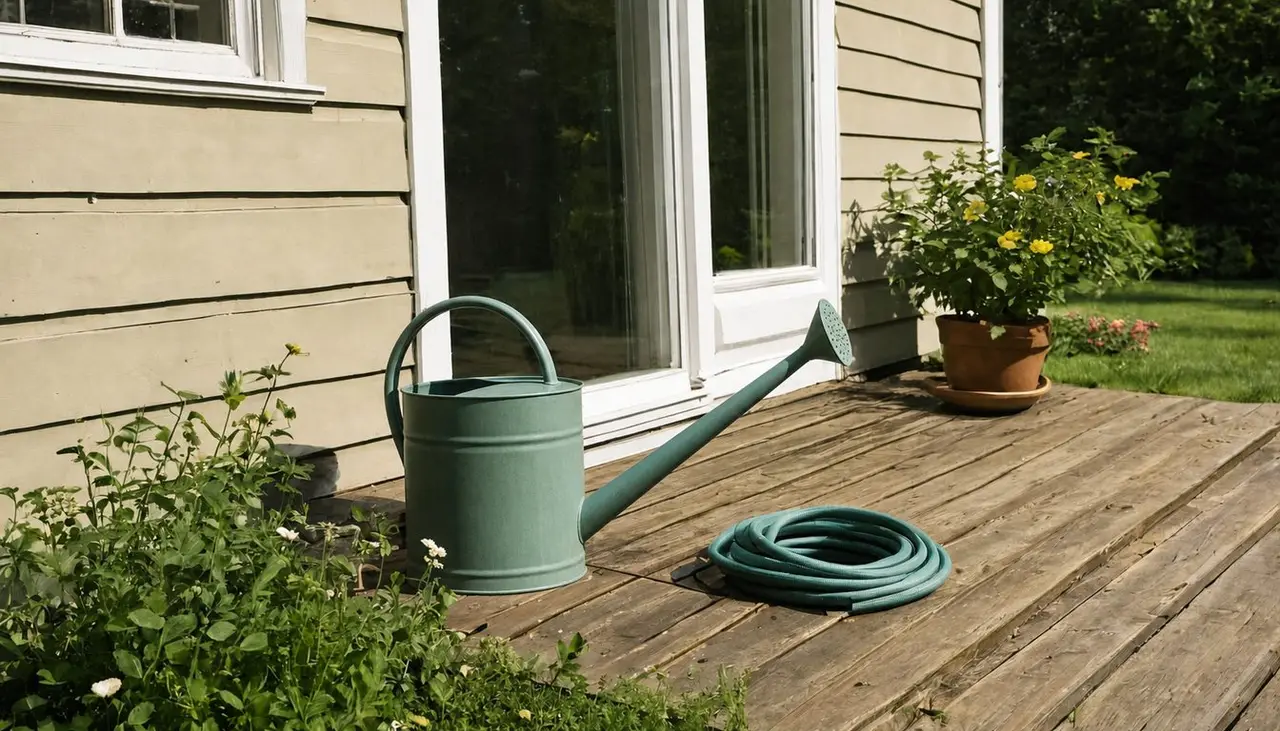
It is Tuesday, but the light is acting like Saturday. Work is done. The air is warm. The porch, stoop, patio, yard, sidewalk, or open window seems to be making a case. A drink would make the evening feel official.
That is the summer weekday pull. It is not boredom exactly, and it is not a party. It is the feeling that the day gave you extra time and you are supposed to turn that time into a drink.
Try the daylight handoff: a way to move from work into evening without letting alcohol perform the whole transition.
Name what the drink is doing
On long-light evenings, the drink often stands in for a job: end the workday, mark the season, move you outside, make a plain Tuesday feel less plain. If you only ask, "Do I want a drink?" the answer may be yes. Ask the better question: "What job am I asking the drink to do?"
Maybe the job is transition. Maybe it is reward. Maybe it is permission to sit down. Maybe it is a way to make summer feel real after hours indoors. Once you name the job, you can hand it to something else.
NIAAA's alcohol-and-the-human-body overview describes alcohol's effects on the central nervous system, the brain-and-body signaling space tied to wind-down and reward. That does not mean alcohol is the only way to wind down. It means the "ahh" feeling has a body pathway, which is why it can become a habit cue.
Move the wind-down outside first
If the pull is partly about not wasting the light, do not make the first choice a drink choice. Make it a location choice. Step outside with nothing in your hand. Sit down. Water the plant. Stand on the porch. Walk to the corner. Let the body get the outside signal before the alcohol decision shows up.
Do it now: give yourself ten minutes of outside before any drinking decision. Not as a punishment. As a handoff. Workday to evening, inside to outside, screen to sky.
The point is to separate "I want summer" from "I want alcohol." They may arrive together, but they are not the same request.
Build one neutral evening
Trying to redesign every summer week at once can backfire. Start with one neutral evening: not a perfect healthy evening, not a dramatic no-drink identity statement, just one weekday where the light does not automatically become a drinking cue.
Neutral can look quiet. Dinner outside. A slow errand. Sitting with a book. A call. A shower before sunset. The house slightly tidier. A walk that is not a workout. The evening does not need to be impressive to count.
If you drink on other evenings, that does not cancel the neutral one. The skill is making one long-light evening survivable without treating the whole season as one exception.
Watch the exception stack
Summer makes exceptions sound reasonable. It is still light. It is hot. It is only Tuesday. It is finally nice out. Someone is grilling. The patio is open. The drink list is seasonal. The week has been long. None of those thoughts is absurd. Together, they can turn every weekday into a special occasion.
Longer daylight does not change the day's count. In the Centers for Disease Control and Prevention (CDC) drinking categories, moderate means 2 drinks or fewer in a day for men and 1 or fewer for women. Those numbers are not a personal summer rule, and they are not a guarantee that a given amount is harmless. Your body still responds to amount, timing, sleep, heat, and stress.
Do it now: when the exception appears, ask whether the same exception showed up last week. If it did, it may be a pattern.
Keep the evening from becoming a verdict
Some nights you will drink. Some nights you will not. Some nights you will plan a neutral evening and then hate it. That is allowed. The daylight handoff is not a test of whether you are the kind of person who can cut back.
It is a way to put one small choice before the drink choice: step outside first, name the job, keep one evening neutral, watch the exception stack.
Stigma can make this harder than it needs to be. NIAAA describes stigma as a major barrier to people seeking help for alcohol-related concerns. In this setting, stigma may sound like, "It is ridiculous that I need a plan for a Tuesday." It is not ridiculous. It is a seasonal cue doing what cues do.
When to bring in more support
If the long-light evening is when a daily heavy pattern becomes hard to interrupt, talk with a licensed clinician before stopping suddenly. If low mood, thoughts of self-harm, or feeling unsafe with yourself show up in the evening, call or text 988 in the U.S. and get immediate support.
For nearby reading, see the summer solstice stretch of cutting back when the evenings are longest, feeling bored on long summer evenings when you're cutting back, and instead of drinking after work.
FAQ
Why does cutting back feel harder on summer weekday evenings?
The long light can make a normal weekday feel like a special occasion. It also adds cues: patios, porches, yard time, outdoor meals, and a stronger desire to mark the workday as over.
What should I do at 7pm when it still feels like 5pm?
Move the wind-down outside before making a drink decision. Sit, walk, shower, eat, or do one neutral thing that marks the transition from work to evening without alcohol doing the whole job.
Does the summer evening pull get easier?
It can get less automatic when you repeat a different first move. The goal is not to erase the pull; it is to make the evening contain more than one possible next step.
This article is general education, not medical, mental-health, fitness, legal, or scheduling advice. If you drink heavily every day, do not stop suddenly without a licensed clinician's guidance; if withdrawal symptoms include confusion, hallucinations, or seizure, call 911 or go to an emergency room, and SAMHSA's National Helpline at 1-800-662-HELP can help with confidential treatment referrals.
- Medication & treatment
How to Drink Less Without AA: A Practical Cutback Framework for People Who Aren't Doing a Program
Drinking less without AA works best as four weekly jobs: measure honestly, plan a number, prepare for the hard moment, and check in.
- Cutting back & moderation
Drinking After a Really Hard Workday When You're Cutting Back
The after-work drink gets decided long before you reach the door, so move the decision earlier. A four-step checkpoint for hard days while you're cutting back.
- Social events & holidays
How to Handle a Golf Outing When You're Cutting Back
A practical golf-day framework for cutting back when the cart, clubhouse, slow pace, and after-round hangout all point toward drinking.
- Family & relationships
Cutting Back When the Kids Are Home for Summer and Your Evening Routine Changes
How to think about the early-summer routine shift when your usual cutback structure gets disrupted by kids being home.
- Cravings & triggers
Feeling Bored on Long Summer Evenings When You're Cutting Back
Why long light summer evenings can trigger alcohol cravings, and how to give the evening shape without relying on a drink.
- Mind & mood
The Sunday Night Anxiety Spike When You're Cutting Back This Summer
Why Sunday night can feel sharper during a summer cutback, with 988 and clinician routing when mood or withdrawal risk is present.


Be the first to hear when Clero launches.
Join with email only. Clero is still in development, so this is educational content today — not treatment, a prescription request, or medical advice.
First to hear at launchLaunch news only — no spamUnsubscribe anytime