
The Summer Solstice Stretch of Cutting Back When the Evenings Are Longest
The solstice stretch is the year's longest evenings landing on the exact hour your old drinking habit knew best. What helps mostly happens before nine o'clock.
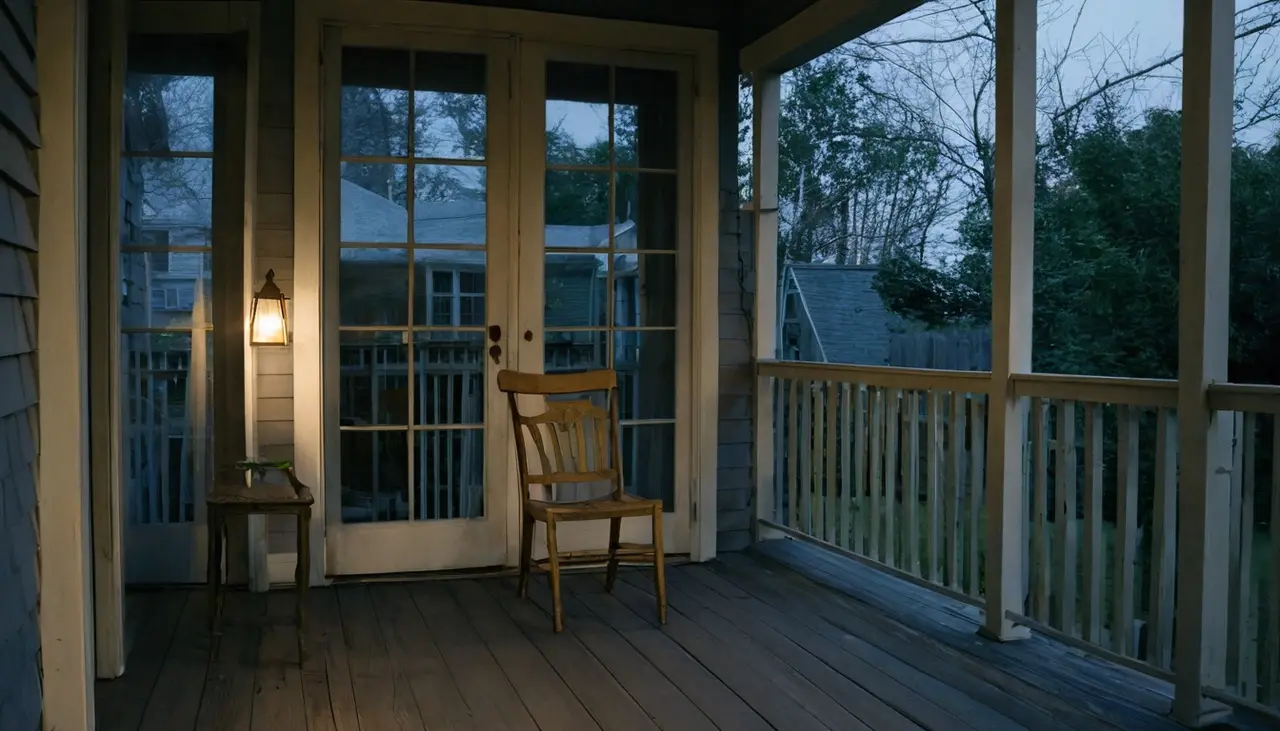
The grill went cold an hour ago and the sky still has not made up its mind. It is a quarter past nine in late June, and the backyard holds a gray-gold glow that belongs to no particular hour. The citronella candle does its small work. Somebody lifts the cooler lid again and lets it fall. And you notice, standing there with a seltzer going warm in your hand, that the evening refuses to end — that the signal you have been waiting for, the one that says this day is over now, is simply not coming.
That signal used to matter more than you knew.
For years the evening had a grammar. Dinner, then a drink, then dark, then done. The pour marked the start of off-duty; the dark marked the end of the drinking window; bed closed the sentence. Around the summer solstice, the middle of that sentence stretches longer than at any other point in the year — and if you are cutting back, what stretches with it is not just daylight. It is the exact hour the old habit knew best.
*
It helps to say plainly what the solstice is, because the mind wants to make it more. It is a calendar shape — the day the light peaks, after which the evenings quietly shorten again. Nothing about it grades your cutback, and no referendum on your summer is being held on that patio. The weekend around it just tends to be crowded: cookouts, lake days, a stacked run of gatherings, often with Juneteenth and Father's Day pressing in close on the same stretch of calendar.
So the truer question is rarely can I get through solstice weekend. It is smaller and harder: what do I do with an hour that used to pour itself?
*
Part of what the drink was doing in that hour, it turns out, was pretending to end the day for you.
A nightcap does put you under faster — that much is real. But the sleep research is blunt about what happens next: alcohol near bedtime suppresses the dreaming stage of sleep (REM) in the first half of the night, then rebounds in the second half with intense dreams and broken, fragmented sleep — and the body gets used to the sedative effect within roughly three to seven days, so the day-ender stops working almost as soon as it becomes routine. The nightcap was not so much ending the day as billing it to 3 a.m.
The long light plays another quiet trick, this one on the glass itself. A refill on a bright patio at 9:40 does not feel like a fourth drink; it feels like part of the same golden afternoon. NIAAA's definition of a standard drink — 0.6 fluid ounces, about 14 grams, of pure alcohol — is dry as arithmetic, but it names the problem exactly: the sun says the evening has barely started while the count says otherwise. Long evenings turn refills into guesswork.
And if the patio feels like the whole world drinking around you, that is not entirely imagination. NIAAA's 2024 figures count about 132.6 million U.S. adults — 50.6 percent — as having drunk alcohol in the past month. Cutting back in June often means moving against the room. Expect the current; it makes the swimming feel less personal.
*
What actually helps is unglamorous, and most of it happens before nine o'clock.
Give the late hour a shape while it is still afternoon. Decide what 9 p.m. holds — a walk in the cooler air, the shower, the phone call, the early drive home, an ordinary bedtime with the blinds actually closed — so the light does not get to decide for you. Fragments work fine. A plan the size of one sentence.
When the pull arrives anyway, put fifteen minutes between yourself and the pour. Eat something first, or step off the patio into the shade. Most urges crest and pass if nothing feeds them; the extra light makes the hour feel long, but the urge itself keeps ordinary time. Naming helps too. Is the thought I want a drink, or is it I want this evening to feel like something? They wear the same clothes. They are not the same want — and the second one has answers that never touch the cooler. For the nights the pull comes in harder than a pause can hold, how to handle alcohol cravings and urges is the fuller toolkit; if the real adversary is the sheer unstructured length of the season, feeling bored on long summer evenings sits closer to that.
And watch the story the weekend tells. A named occasion — solstice, Juneteenth, Father's Day — can make an exception feel singular even when the structure underneath is the same Friday-shaped gap it always was. If the same pull shows up on July 4, on vacation, on a random hot Thursday, you are not facing a solstice problem. You are facing a summer-evening pattern, and a pattern can be given shape one evening at a time.
*
If the weekend goes sideways anyway, read the slip like weather, not verdict. It tells you where the evening was unbuilt — the hour, the yard, the second trip to the cooler — and that is exactly the information the next long evening needs. One loose night in June does not own August.
One boundary is worth drawing in ink. If drinking has been heavy and daily, a stretch of good intentions is not the moment to stop cold on your own — for some patterns, sudden stopping is medically dangerous. Shaking, confusion, hallucinations, or a seizure after cutting down means calling 911 or going to an emergency room, not waiting for morning. Plan a change like that with a licensed clinician instead; for finding one, SAMHSA's National Helpline at 1-800-662-HELP is free, confidential, and answers at 9 p.m. too.
*
Here is the inversion the solstice offers, if you want it. From this week on, the evenings hand back a minute or two of dark every night — but right now, tonight, the year is giving you its longest hour, and for once there is nothing in the glass to spend it on. That hour is not a hole where a drink used to be. It is the most daylight you will get all year, arriving exactly when you have started paying attention.
Step outside at nine and watch the sky do its slow, undecided thing. You do not have to make it mean anything. Just notice that you are awake for all of it.
This is general reading for a long-light season, not medical advice or a diagnosis; what your own pattern needs is a conversation with a licensed clinician — and if any of these evenings carries thoughts of harming yourself, call or text 988 now.
- Social events & holidays
How to Handle Summer BBQs and Cookouts When You're Cutting Back
A cookout has no clock, so bring your own: pick your first drink, your spot, your line, and your exit before you go. Decide once, not forty times.
- Social events & holidays
Drinking on Vacation When You Are Trying to Cut Back
Vacation drinking spreads because the trip removes your routines — so build your own banks: a shape set before you pack, one alcohol-free hour a day, a reset plan.
- Social events & holidays
How to Handle New Year's Eve When You're Cutting Back
New Year's Eve is easier to manage when you plan the first glass, the long middle, midnight, and the ride home before the party.
- Social events & holidays
Drinking at a Summer Wedding When You're Cutting Back
The way to drink less at a summer wedding is deciding before it starts: your first drink, your switch point, and your exit. How the three posts hold all night.
- Hangovers & the day after
Drunk Texting When You're Cutting Back on Drinking
Drunk texting happens because alcohol removes the pause before send — and you can rebuild it. Three kinds of distance to set up sober, before the night speeds up.
- Family & relationships
Cutting Back When the Kids Are Home for Summer and Your Evening Routine Changes
How to think about the early-summer routine shift when your usual cutback structure gets disrupted by kids being home.


Be the first to hear when Clero launches.
Join with email only. Clero is still in development, so this is educational content today — not treatment, a prescription request, or medical advice.
First to hear at launchLaunch news only — no spamUnsubscribe anytime