
The 'I Deserve This' Thought When You're Cutting Back
The 'I deserve this' thought is half right — something is owed, it's just rarely the drink. A four-move Receipt Check for reading it before you pour.
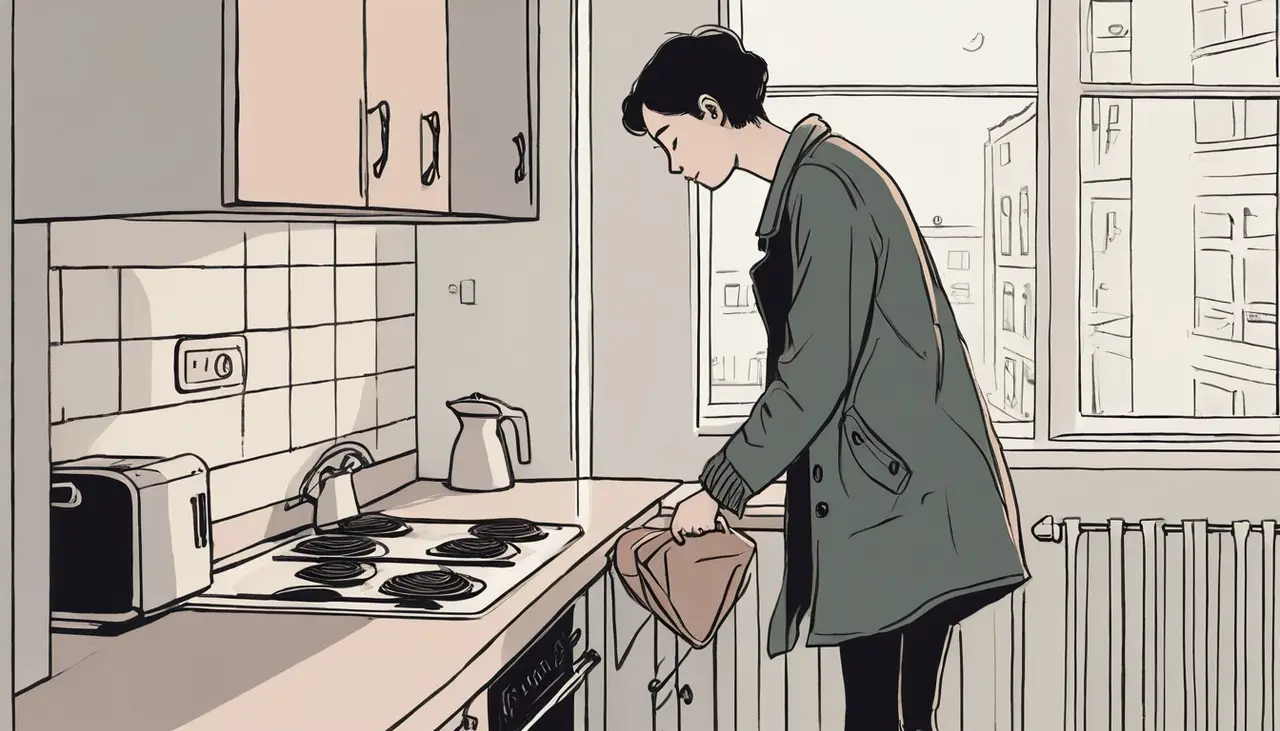
The kitchen, 6:40 on a weeknight. Bag down, shoes half off, and before you've turned on a light the sentence is already waiting: I deserve this. It doesn't feel like a craving. It feels like fairness. You held it together all day — the meeting, the traffic, the patience you didn't have but spent anyway — and now something is owed.
Here's what the thought gets right: something probably is owed. What it skips past, fast, is whether a drink is actually the thing.
That skip isn't a character flaw. "I deserve this" is one of the most common reward thoughts there is, and it's convincing precisely because it's half true — you may genuinely deserve rest, quiet, a marker that the day is over. The trouble starts when alcohol becomes the automatic receipt for every one of those needs. So instead of arguing with the thought — a fight you lose just by having it — try a small tool built for the moment itself. Call it the Receipt Check: four moves that take the "owed" feeling seriously and read the fine print before anything gets poured.
Why the thought is so convincing
Alcohol is a fast, dependable reward — it shows up on schedule and asks nothing of you first — and brains are built to wire fast rewards to whatever cue reliably comes before them. Walk in the door tired enough times with a drink at the end of it, and "day over" starts to mean "pour." The "I deserve this" sentence is mostly the habit narrating its own next step, dressed up as a judgment about fairness. And the pull underneath it behaves like most urges: NIAAA's Rethinking Drinking describes urges to drink as short-lived and predictable — they rise, crest, and fade rather than climbing forever. That fade is exactly the window the Receipt Check is built for.
The culture does its part too. In 2024, about 134.3 million Americans ages 12 and older — 46.6% — drank alcohol in the past month, so the earned-drink script runs inside a world where a drink is the normal adult reward for nearly everything.
One more reason it sticks: shame. NIAAA describes stigma as a pervasive barrier to getting help with drinking, and the same stigma teaches people to read a reward thought as proof they're undisciplined. Curiosity gets you further here than a verdict. The thought is information about what you need — read it that way.
Read the receipt
When the sentence arrives, name it: that's the reward thought. Then notice which version showed up, because it tends to wear one of four outfits. After hardship: "After today, I've earned this" — the drink as compensation. After restraint: "I was good all week" — the drink as the prize for following your own cutback. After care work: "Everyone got what they needed, now it's my turn" — the drink as privacy and ownership. After good news: "This is how I celebrate" — the drink as proof the moment counts.
None of these diagnoses anything. They're patterns, and a named pattern is far easier to interrupt than a mood you're trying to out-argue.
Do it now: the next time the sentence lands, just add the label — "reward thought, restraint version." Nothing else yet.
Find the real debt
Ask the thought a direct question: what am I asking this drink to do? Make the day feel over. Buy ten minutes nobody can claim. Mark the win. Take the edge off the resentment. The answer matters, because "you deserve a drink" is almost always a translation of "you're owed something" — and the something is rarely alcohol-specific.
Two follow-ups sharpen it. Is a drink the only thing that can deliver that, or just the fastest thing in reach? And are you deciding based on the whole day, or on its worst ten minutes?
Do it now: finish this sentence honestly, out loud or on your phone: "I'm asking this drink to give me ___."
Pay the debt in kind first
This isn't a swap-the-drink-for-tea plan. It's sequencing. Whatever your blank said, pay that first — then decide about the drink. If the answer was "make the day over," change clothes, step outside, shower: a real transition before the pour decision. If it was "celebrate," mark the celebration first — tell someone the news, order the good takeout. If it was "leave me alone," take ten protected minutes before alcohol enters the conversation.
Paid first, the debt shrinks. Sometimes the drink still happens — but it happens as a choice instead of a payment, and choices are easier to keep small.
Do it now: guess tonight's likely answer and set up its payment in advance — the walking shoes by the door, the quiet ten minutes claimed before dinner.
Count before you sign
Reward thoughts stay vague about amounts on purpose. "This" might mean one drink, a drinking window, or quiet permission to scrap the whole plan — three different decisions. So make it specific while the deciding is still cheap. A U.S. standard drink is 0.6 fluid ounces, or 14 grams, of pure alcohol, and a generous home pour often holds more than one. The same NIAAA reference counts binge drinking as the pattern that typically brings blood alcohol concentration to about 0.08% — roughly five drinks for men or four for women within about two hours. For the daily count, the Centers for Disease Control and Prevention (CDC) uses "moderate drinking" to describe two drinks or fewer in a day for men, one or fewer for women. A category cannot tell you what you have earned or what to pour. None of these numbers grades you. They're rulers — useful for noticing what "this" actually turned into.
Do it now: decide the number before the first pour, and say it in standard drinks, not glasses.
Where the thought ends and a craving begins
The obvious next question: is "I deserve this" just a craving with better manners? Not quite. A craving tends to live in the body — restlessness, a pull, your attention snapping to the fridge — while the reward thought is a story about fairness. They often travel together, and honestly the distinction matters less than what you do in the next few minutes, which is why the four moves above work on both. What one evening's sentence can't tell you is whether you can moderate long-term. Patterns over weeks answer that. A single Tuesday doesn't.
When the check bounces
Some nights you'll run every move and pour anyway. That's not the tool failing, and it isn't a verdict on you — keep the one useful sentence ("the pull was loudest right after the kids went down") and skip the courtroom speech. One rough night is information. A pattern that keeps outrunning the plan is different information: nights that regularly cross the binge line, drinking more than you decided to nearly every time you decide, or feeling shaky, sweaty, or unwell when you go too long without a drink. That last one matters most — it can signal physical dependence, and stopping suddenly on your own can be medically dangerous, so talk with a clinician before changing anything abruptly.
Most people never have that conversation. In 2024, only about 7.6% of people with past-year alcohol use disorder received any alcohol treatment.
If the evening math keeps winning and you don't already have a clinician to bring it to, Clero can set you up with a licensed clinician over telehealth to talk the pattern through, including whether a medication for alcohol use disorder has a place in your plan.
What to keep
Tomorrow at 6:40 the kitchen will still be dim and the sentence will probably still be waiting. You don't have to win the argument about what you deserve — on a tired night you'd lose it anyway. Just read the receipt: name the thought, find the real debt, pay it in kind first, count before you sign. Four small moves between the cue and the pour. And give the cutback itself a few weeks to work: over time the reward script picks up competition — mornings you actually notice, a plan that held, sleep that counts — and the thought tends to shrink from a loud verdict into a quiet observation you can answer.
Start with the one-line question tonight — "I'm asking this drink to give me ___." And if the thought turns into a real physical pull, how to handle alcohol cravings and urges is the fuller toolkit.
This is general education, not medical advice. If you drink heavily every day, talk with a clinician before stopping suddenly — and treat shaking, confusion, hallucinations, or a seizure after cutting back as an emergency: call 911 or go to an ER. If you're having thoughts of harming yourself, call or text 988. SAMHSA's free, confidential helpline for treatment referrals is 1-800-662-HELP (4357).
- Cravings & triggers
Drinking After Good News or When You're Celebrating
Celebration drinking catches a cutback off guard because most plans are built for bad days. The Toast Test: four passes before the good news becomes a long night.
- Social events & holidays
How to Handle Halloween When You're Cutting Back on Drinking
Halloween gets easier when you decide the cup, the shot answer, and the exit before the night starts moving.
- Social events & holidays
How to Handle Pride Events When You're Cutting Back on Drinking
A practical Pride Month pacing guide for brunches, parades, block parties, clubs, and house gatherings when you want the day to include less alcohol.
- Social events & holidays
How to Handle Thanksgiving When You're Cutting Back on Drinking
Thanksgiving is an all-day drinking cue: plan the timeline, family lines, and first sober holiday pressure before the table fills.
- Social events & holidays
How to Handle the Fourth of July When You're Cutting Back
A ten-hour Fourth of July pours itself unless you set edges first. Decide your leave time and drink number in the car, then keep a non-alcoholic can in hand.
- Mind & mood
The Instagram or Social Media Drinking Comparison Loop
The social media drinking comparison loop stacks a hundred highlight reels against your quiet Tuesday. Five moves, one week, and no need to delete your apps.


Be the first to hear when Clero launches.
Join with email only. Clero is still in development, so this is educational content today — not treatment, a prescription request, or medical advice.
First to hear at launchLaunch news only — no spamUnsubscribe anytime