
How to Handle Halloween When You're Cutting Back on Drinking
Halloween gets easier when you decide the cup, the shot answer, and the exit before the night starts moving.
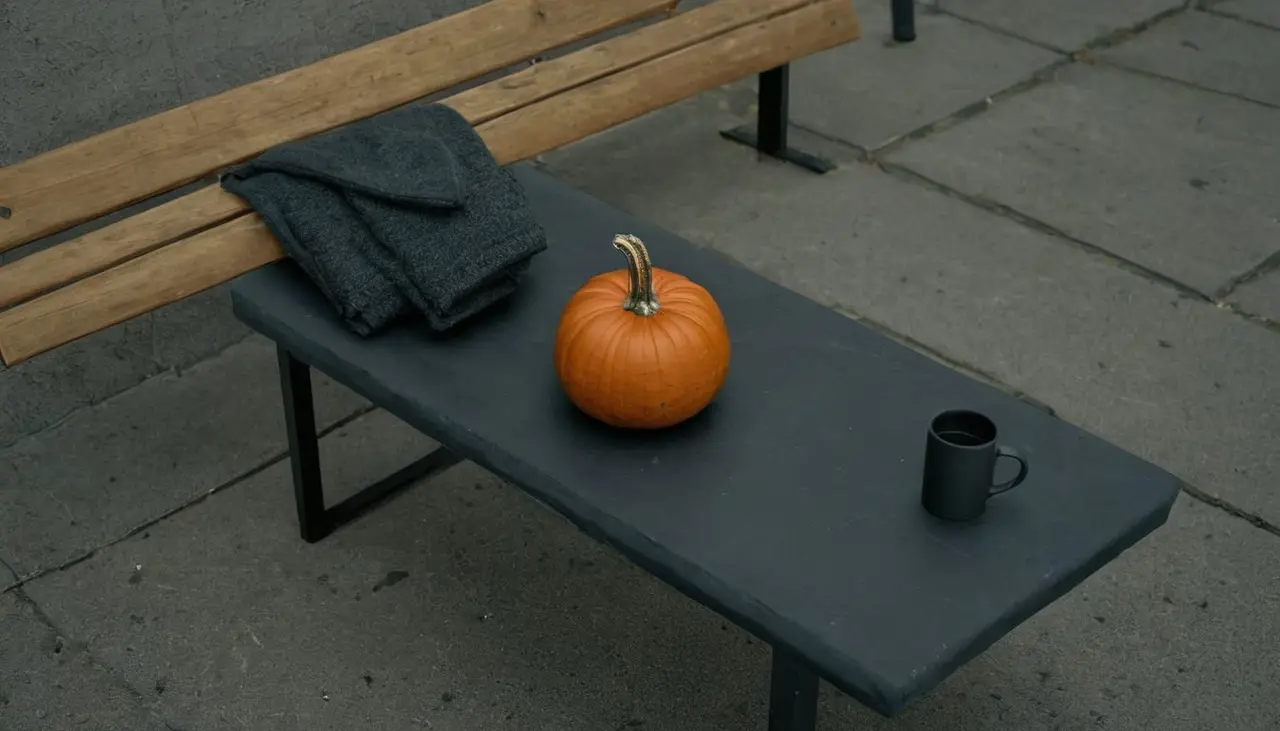
A Halloween party is easier to handle when you decide the cup, the shot answer, and the exit before the room gets loud.
Saturday, October 31, 2026, has all the usual holiday pressure with a little extra theater: costumes, punch bowls, themed cocktails, photos, late plans, and somebody calling one more round part of the costume. If you are cutting back, the short answer is to make the night smaller before you get there. You do not need a speech. You need a few boring decisions made while you can still hear yourself think.
How do I get through a Halloween party without drinking the way I normally would?
Decide three things before you arrive: what you will hold, what you will say, and when you will leave.
The cup is the easiest part because Halloween gives you cover. Cider, soda, water, coffee, a non-alcoholic party drink, or anything in a themed glass can look completely normal. If you plan to drink some alcohol, order or pour your own when you can; a host's top-off can make the count disappear before you notice it.
The number still matters, even when the drink looks festive. NIAAA puts one U.S. standard drink at 0.6 fluid ounces, or 14 grams, of pure alcohol. It also describes binge drinking as a pattern that usually brings blood alcohol concentration to 0.08% or higher, often after 5 or more drinks for males or 4 or more for females in about 2 hours. A Halloween cup may be punch, a double pour, or something sweet enough that the alcohol hides. Counting privately is more useful than guessing from the color.
Why Halloween pulls harder than a normal party
Halloween makes drinking feel like part of the costume, which can make the pace harder to question.
A usual party has drinks. Halloween adds a script: pre-game before going out, pose with the themed cocktail, try the punch, take the shot, move to the next place, stay late because the night only happens once. The pull can come from wanting the costume to work, wanting the group rhythm to keep flowing, or wanting a temporary break from being the responsible person.
How quickly can the punch bowl change the count? For comparison, the Centers for Disease Control and Prevention (CDC) puts moderate drinking at 2 drinks or fewer in a day for men and 1 or fewer for women. Use that definition as context, not as a personalized Halloween target. A party night can exceed that category quickly when drinks are poured by someone else.
For a nearby holiday comparison, how to handle Labor Day when you're cutting back covers the long-weekend version of the same pressure.
What do I say when people push shots or themed drinks?
Use one short line, then move your body somewhere else.
Lines that survive noise are plain:
- Already set: "I'm good with this."
- Pacing: "I'm pacing tonight."
- No shots: "I'm skipping shots."
- Pass it on: "Save it for someone who wants it."
- Done: "I'm all set."
Do not keep negotiating after the first answer. Turn toward food, a friend, the porch, the bathroom line, the music, or the person whose costume you actually want to ask about. A line works best when it ends the conversation, not when it becomes the conversation.
This can feel loaded because drinking is social shorthand. NIAAA describes stigma as one of the most consistently reported barriers to seeking help for alcohol concerns. On Halloween, that may show up as worry that not drinking will make people study you. Most people are much more focused on their own night than on your cup.
For more scripts, see what to do when people keep asking why you're not drinking tonight.
Roles that still feel like Halloween
Give yourself a role that is not built around the bar.
Halloween has plenty of roles that make sense without alcohol:
- Porch role: hand out candy, manage the fog machine, or be the person who actually answers the door.
- Costume role: take photos, help with last-minute makeup, or run the contest.
- Movement role: walk with kids who are trick-or-treating, go through a haunted house, or step outside with one friend.
- Quiet role: host a scary-movie night, stop by the party early, or make the late-night food plan.
None of these have to be framed as sobriety activities. They are just Halloween. That is the useful part: the holiday already gives you props, jobs, rooms, and reasons to move.
If the feeling is less about alcohol and more about standing out, how to handle feeling different from everyone at the party goes deeper on that part.
When should I leave instead of trying harder?
Leave when the pace of the room stops matching the plan you made.
That might mean the host keeps topping off your cup, the group is changing locations, the shot jokes keep returning, or you can feel yourself starting to bargain with the version of the night you wanted. Leaving early can preserve the part you came for: the costume, the candy, the people, the decorations, and the clear next morning.
Make the exit boring too. Say you have an early morning, you promised to help at home, your costume is uncomfortable, you are done for the night, or you are heading to another plan. You do not owe the room a full explanation.
For a broader party plan, how to not drink at a party covers the non-holiday version.
When is this more than one Halloween night?
If the same plan keeps failing across many nights, widen the question beyond party logistics.
A one-night plan can help with one night. It is less useful when drinking has become heavy, daily, or physically hard to interrupt. If you drink every day and want to cut back, talk with a licensed clinician before making a sharp change, because withdrawal can be dangerous.
That does not turn Halloween into a diagnosis. It simply means the right next step may be private medical guidance instead of another script for the punch bowl.
FAQ
Is it okay to go for only the early part?
Yes. The early part often has the costumes, photos, food, and first conversations without the late-night pace. A short visit can still count as participating.
What if I drink more than I planned?
Look at what happened before you rewrite the whole goal. Was it the first cup, the refill, the shot pressure, the second location, or staying too late? That answer is more useful than shame.
Do I have to tell people I am cutting back?
No. You can say you are pacing, skipping shots, driving, tired, or all set. A short answer is enough unless you want a longer conversation.
A party plan is general education, not medical advice — and a one-night script is no answer to heavy or daily drinking, so take any bigger change to a licensed clinician first; SAMHSA's National Helpline, 1-800-662-HELP, is a free, confidential way to find support any time.
- Body & physical health
Does Alcohol Affect Your Taste Buds and Sense of Smell?
Yes — alcohol really can change how things smell and taste, dulling some senses and sharpening others. What's moving, and what recovers if you cut back.
- Social events & holidays
How to Handle a Baseball Game or Stadium Event While Cutting Back
At a ballgame, set your number before the first pitch and count the 24-ounce souvenir cup as two drinks, not one. A plan that runs on the game's own rhythm.
- Social events & holidays
How to Handle a Concert or Music Festival When You're Cutting Back
At a concert or festival, the drinking happens in the gaps: set changes and bar lines, not the music. Plan the set breaks and the day stays yours.
- Social events & holidays
How to Handle Pride Events When You're Cutting Back on Drinking
A practical Pride Month pacing guide for brunches, parades, block parties, clubs, and house gatherings when you want the day to include less alcohol.
- Social events & holidays
How to Handle Thanksgiving When You're Cutting Back on Drinking
Thanksgiving is an all-day drinking cue: plan the timeline, family lines, and first sober holiday pressure before the table fills.
- Social events & holidays
How to Handle Labor Day Weekend When You're Cutting Back
Cutting back on Labor Day starts with a plan for each gathering. Set an arrival and exit time, count actual pours, and have a reply ready for refills.


Be the first to hear when Clero launches.
Join with email only. Clero is still in development, so this is educational content today — not treatment, a prescription request, or medical advice.
First to hear at launchLaunch news only — no spamUnsubscribe anytime