Drinking After Good News or When You're Celebrating
Celebration drinking catches a cutback off guard because most plans are built for bad days. The Toast Test: four passes before the good news becomes a long night.
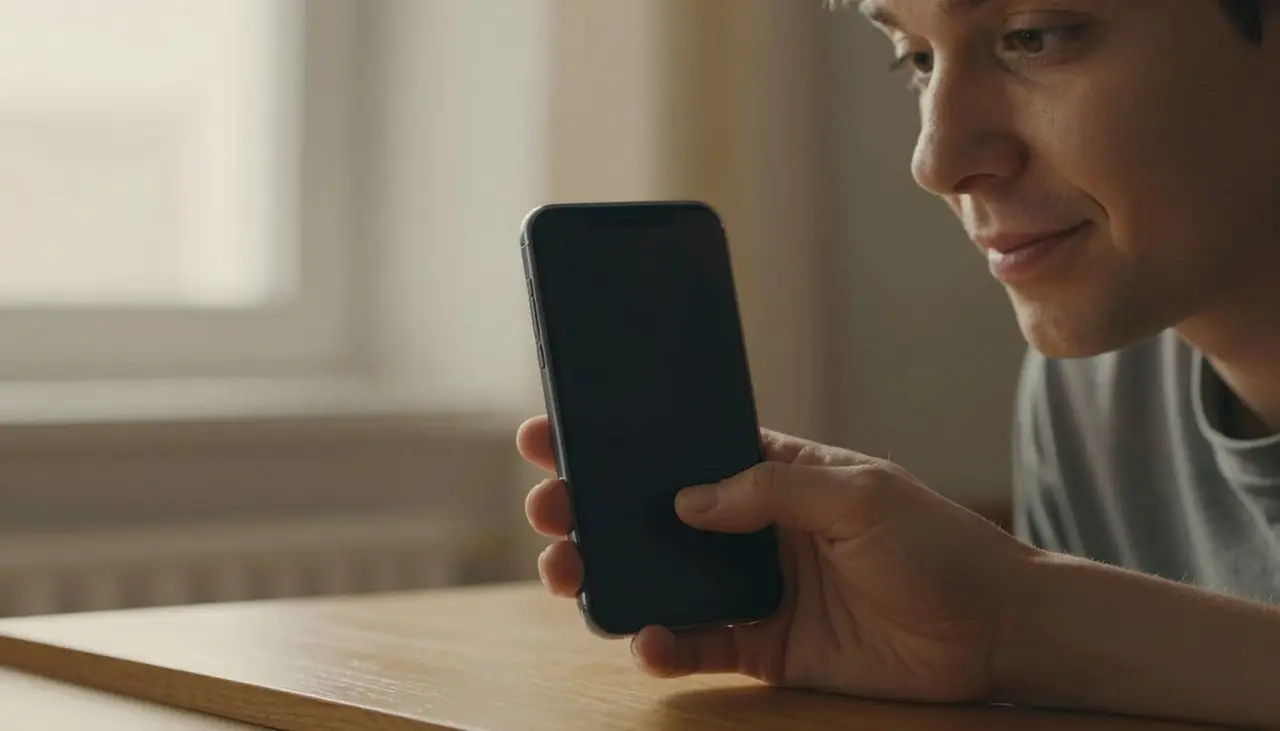
The email lands at 4:40 on a Thursday. You got it — the promotion, the offer, the clean scan, the deal that finally closed. Your chest does the thing where it lifts. And almost in the same breath, before you have decided anything, a second thought arrives fully formed: we should get a drink. Not a craving exactly. More like a reflex. The good news and the pour feel like they belong to each other, like they came from the same bottle.
Here is the part worth saying before anything else: wanting to mark a good moment is not a problem, and the pull you feel on the up days is not a crack in your cutback. Most cutback plans are built for the bad days — the argument, the Sunday dread, the boredom of a long evening. Good news walks in through a different door, wearing a party hat, and the plan you built for stress does not always recognize it. What you need here is not more willpower. It is a way to tell the celebration apart from the drink. Call it the Toast Test.
Why the good-news pull feels different
A stress drink and a celebration drink can end at the same number, but they do not start in the same place. The stress drink says make this feeling stop. The celebration drink says this feeling deserves a monument. That second one is sneakier, because it wears the costume of joy, and joy is hard to argue with.
Part of it is just the water you swim in. Among U.S. adults, drinking is the majority behavior — NIAAA's 2024 figures put past-year drinking at about 174.4 million people, roughly 66.5% of adults. So the script that says good things get toasted, in liquid is not something your brain invented. It was handed to you, on a tray, at every wedding and promotion and holiday you have ever been to. "Let's grab a drink" is simply the default language for this matters.
The Toast Test does not fight that script. It slows it down long enough to ask one question: is the drink the celebration, or only its punctuation mark? A toast is meant to be a period at the end of a good sentence. The trouble starts when the toast quietly becomes the whole sentence — when the pour that was supposed to mark the win becomes the reason the night keeps going.
Run the Toast Test
Four quick passes. You can do the whole thing in the time it takes to walk to the fridge.
Separate the news from the pour
Before you reach for anything, mark the good news in a way that has nothing to do with alcohol. Call the one person who will be genuinely happy for you. Say it out loud in the car. Write the date down. Take the walk you always mean to take. Do it now: give the win its own moment first, and see whether it still feels real without a glass in your hand. If it does — and it almost always does — the drink was never carrying the celebration. It was standing next to it.
Play the tape to 11 p.m.
The first celebration drink is genuinely nice. The problem is rarely the first one. Do it now: ask what happens if you start at 7 and it is now 11. Celebration drinking is hard precisely because the opening feels so good that the later drinks slip in under the same happy banner — and the later drinks still cost the same next morning. A good day does not owe you a rough tomorrow.
Put a clock between you and the toast
You do not have to answer the pour right now. Do it now: tell yourself the celebration is real either way, and you will decide about a drink in an hour — or tomorrow. Some people mark the good news immediately with a meal or a call, then handle the alcohol question the next day, when it is quieter and the reflex has let go of the wheel. A win that is real at 4:40 is still real at noon the next day.
Name the number if you drink
If you do decide to toast, the celebratory label does not change the chemistry. NIAAA counts a U.S. standard drink as 0.6 fluid ounces, or 14 grams, of pure alcohol — the same amount in a champagne flute as in a Tuesday beer. A toast counts toward the day's total, and the Centers for Disease Control and Prevention (CDC) draws its moderate-drinking line at two drinks or fewer in a day for men and one or fewer for women. Read the category as background, not as a permission slip stapled to your good news. Do it now: pick a number before the first pour, not during the third. Deciding in advance is how you toast and still recognize the morning.
When the test does not hold
Some celebrations will get away from you anyway. You will run the whole thing, decide on two, and wake up counting five. One night going sideways is information, not a verdict — it tells you which celebrations are mostly a drinking script wearing an occasion, and that is worth knowing for the next one. Maybe the group setting is the hard part, where everyone raises a glass and the drink starts to feel like belonging rather than a choice. Maybe it is the milestone with a ready-made toast built in. Name which kind tripped you, and the next celebration gets a plan instead of a reflex.
There is a line, though, where "plan the next one better" stops being the right frame. If celebration drinking keeps landing heavier than you meant, it helps to see the pattern in plain numbers. NIAAA describes binge drinking as the pattern that brings blood alcohol to about 0.08% — often 5 or more drinks for men, or 4 or more for women, in roughly two hours — and reports that about 57.9 million people ages 12 and older, around 20.1%, drank that way in the past month. That is not a line where harm switches on; it is a common shape worth noticing. If your good nights keep reaching it, that is a conversation for a licensed clinician, not a willpower failure. And if a stretch without alcohol ever leaves you shaking, sweating, or confused, treat that as a medical emergency and call 911 — abrupt withdrawal from heavy drinking can be genuinely dangerous.
The next win is already coming
There is probably a celebration on your calendar right now, or one about to arrive unannounced. Name it before it does. Decide, while the moment is still hypothetical and quiet, how you want to mark it — the call you will make, the number you will hold, the hour you will wait. The Toast Test is really just this: keep the celebration and question the pour, in that order. A good day deserves to be marked. It does not deserve to be paid for the next morning.
This is general education, not medical advice or a plan for your particular history. If celebration drinking keeps ending somewhere you did not intend, or stopping suddenly ever feels unsafe, that is worth bringing to a clinician who knows you — and SAMHSA's National Helpline (1-800-662-HELP) is a free, confidential, 24/7 referral line if you want a place to start.
- Cravings & triggers
The 'I Deserve This' Thought When You're Cutting Back
The 'I deserve this' thought is half right — something is owed, it's just rarely the drink. A four-move Receipt Check for reading it before you pour.
- Social events & holidays
Drinking at a Wake or Funeral When You're Cutting Back
You can decline the drink and still be there for the goodbye. How to handle the glass at the door, the toast, and the late-night kitchen while cutting back.
- Social events & holidays
Drinking on Vacation When You Are Trying to Cut Back
Vacation drinking spreads because the trip removes your routines — so build your own banks: a shape set before you pack, one alcohol-free hour a day, a reset plan.
- Cutting back & moderation
Drinking After a Really Hard Workday When You're Cutting Back
The after-work drink gets decided long before you reach the door, so move the decision earlier. A four-step checkpoint for hard days while you're cutting back.
- Hangovers & the day after
Drunk Texting When You're Cutting Back on Drinking
Drunk texting happens because alcohol removes the pause before send — and you can rebuild it. Three kinds of distance to set up sober, before the night speeds up.
- Understanding your drinking
Drinking Alone: Signs Worth Noticing Without Labeling Yourself
A private, low-stigma guide to noticing solo drinking patterns, asking better self-check questions, and knowing when to talk to someone.


Be the first to hear when Clero launches.
Join with email only. Clero is still in development, so this is educational content today — not treatment, a prescription request, or medical advice.
First to hear at launchLaunch news only — no spamUnsubscribe anytime