
How to Handle the Beach or Pool Day When You're Cutting Back
A beach or pool day erases your drink count — long, hot, and shapeless by design. Set your number at the trunk, before the cooler opens, and hold one line all day.
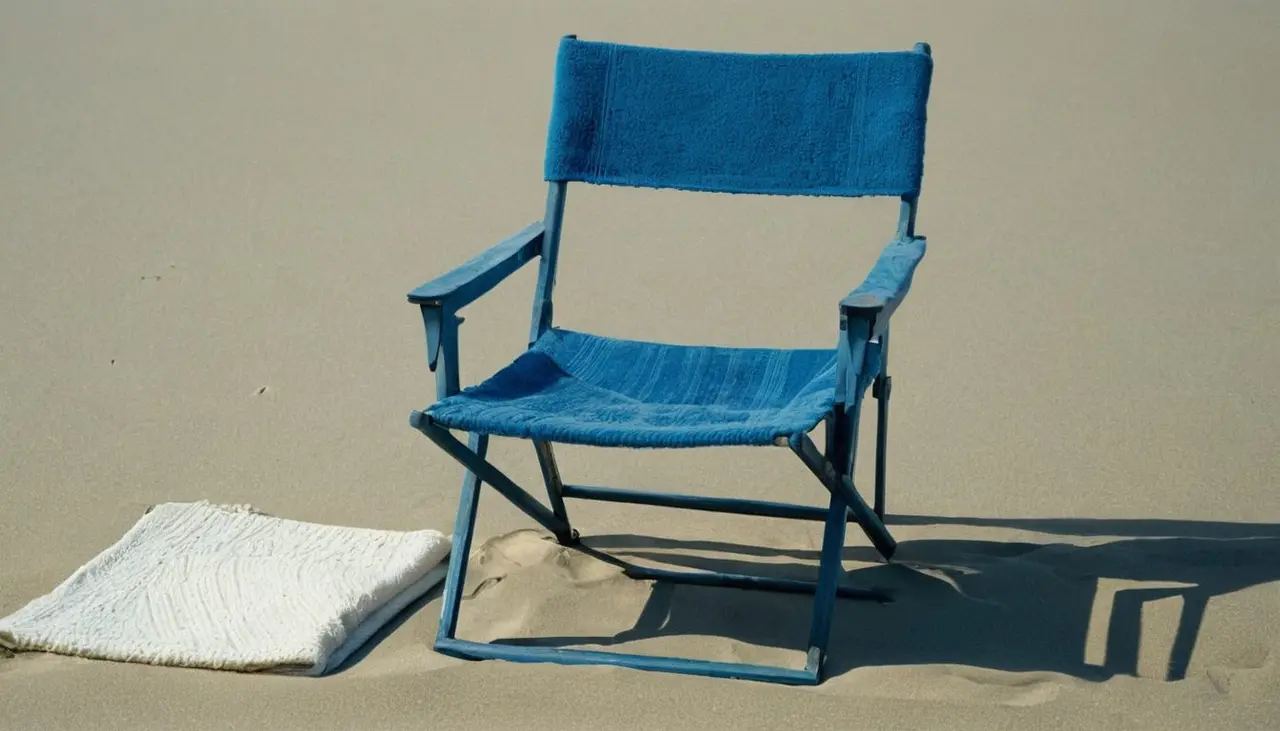
It is 10:15 in the morning, the towels are barely down, and someone is already handing you a cold can with the lid popping. The sand is warm, the water is loud, and the whole day stretches out ahead like it has no edges. You had a number in your head on the drive over. Now, standing here with a drink already sweating in your hand, you cannot quite remember what it was.
That blank is the whole problem with a beach, pool, or lake day. Not willpower. Not the group. The format. A long sunny stretch with a full cooler is built to erase the count, and it does that quietly, one easy grab at a time, from mid-morning until the sun drops.
So here is a way to hold onto your number without turning into the person policing everyone else's cup. Call it the Cooler Line — a single mark you draw before the day starts, and a few plain moves to keep the day from dragging you across it. Draw the line once, at the trunk of the car. Then most of the work is done, and the rest is just not letting six loose hours quietly rub it out.
Why a long sunny day rubs out your count
A night out has edges. It starts late, it ends, and somewhere in the middle you notice you have had a few. A beach day has none of that shape. A drink at ten, another at noon, one after the first swim, a fresh one back at the chairs — each grab feels far from the last because the day is so long. Heat, splashing, music, the buzz of everyone talking at once: all of it makes the alcohol feel lighter than it is. It is not lighter. Your body still works through every drink at the same pace. The day just hides the tally.
There is a physical reason the pacing sneaks up on you, too. On a hot day you are already sweating out water, and alcohol nudges your body to shed more of it. In a diet-controlled crossover trial, stronger drinks like wine and spirits produced more urine output for hours afterward than their non-alcoholic versions — so "just one more" on a sunbaked afternoon lands on a body already running dry. You feel it as a headache and a flat haze by four o'clock, easy to read as "I'm just tired from the sun" rather than "I've had more than I meant to."
The count matters for one blunt reason beyond how you feel later. Water and alcohol are a genuinely bad mix, and this is not a lecture point — NIAAA lists drowning, hypothermia, and boating accidents among the harms tied to drinking too much on a single occasion. A long day near open water is exactly where losing the count stops being only your problem.
If you want to keep score in something steadier than cans, count in standard drinks. NIAAA puts a U.S. standard drink at 0.6 fluid ounces, or 14 grams, of pure alcohol — which a tall boozy seltzer or a heavy pour can quietly exceed, so the cans in the cooler and the drinks your body registers are not always the same number.
Draw the line at the trunk
Here is the one move that makes the rest easy: decide your number before you open the cooler, not during it. In the parking lot, in the driveway, wherever the bags get packed — that is the only moment of the day when your head is clear and nobody has handed you anything.
Your line can be zero. It can be a hard count, like three across the whole day. It can be a pace, like nothing before lunch. What it cannot be is "I'll see how I feel," because by 2pm you feel great and the format is voting for one more. Pick the number while the trunk is still open and say it to yourself in plain words. That decision does more than any trick you try later, because an urge in the moment is far easier to ride when you already know what you settled on while you were calm.
Pack the day you actually want
Do this now: whatever you would reach for instead of a beer, put it in the cooler first and on top. Cold water, the fizzy thing you actually like, food for midday. If the only easy grab in the bag is alcohol, the cooler has already made your afternoon's decisions for you. Stock it so the easy grab and the drink you want are sometimes the same thing.
And eat an actual lunch. Skipping food and drifting from drink to drink is the exact shape of an all-day drinking day. A real meal around midday breaks the drift and resets the clock on your pacing.
Buy yourself a gap
The refills on a beach day are automatic — your cup goes empty, a hand reaches for the cooler, and the next drink appears before you have decided you wanted it. So put a gap in the loop.
Do this now: the next time your cup is empty, get up before you refill. Go in the water. Walk to the far end of the sand. Do a lap for more snacks. Any movement away from the chairs interrupts the reach-and-refill reflex, and an urge left alone tends to crest and fade on its own if you give it a few minutes and something else to do. You are not white-knuckling it — you are stepping out of its way.
A non-alcoholic drink in your hand does quiet work here too. People stop offering when your hands are already full, and you keep the cold-cup-in-the-sun ritual without spending it on your count.
Guard the drive and the boat
This is the one part of the day with no wiggle room, so keep it out of the pacing talk entirely. Whoever is driving home or running the boat needs to be sober — settle that before anyone starts, not by taking a poll at five o'clock when everyone's judgment is already underwater. Name the driver in the parking lot alongside your own number. Same move: decide it while your head is clear.
For a sense of where "moderate" sits on an ordinary day, the CDC, following the Dietary Guidelines for Americans, describes it as two drinks or less in a day for men and one or less for women — a reference point for your own planning, not a line to wave at the group or a threshold where harm politely switches on. How much is too much on a given day shifts with your size, what you have eaten, the heat, and how fast you drink. The risk climbs the more you drink and the longer the day runs; there is no single count that is safe for everyone or reckless for everyone.
When the line doesn't hold
Some beach days will get away from you anyway. You draw the line at the trunk and cross it by three o'clock, and the honest thing to say is that one blown afternoon is a single data point, not a verdict on whether you can do this.
What a day like that is good for is showing you where the hard corner is. The pack, when the cooler went in heavy on beer and light on everything else? The first drink, handed over before you were ready? The lunch you skipped? The late-afternoon restart after a swim? The ride home nobody had settled? Find the corner you keep taking too fast, and next time you only have to guard that one spot instead of the whole six hours. If the day ran heavier than planned, how to restart cutting back after a vacation picks up from there, and if a craving spikes mid-afternoon, how to handle alcohol cravings and urges is the fuller toolkit.
Back at the trunk
The thing worth carrying out of all this is small enough to hold: the day is decided in the parking lot, not on the sand. Your number, your driver, and a cooler packed for the day you actually want — set those three while the trunk is still open, and the six loose hours in the middle have far less room to erase them.
You wanted the water, the sun, the long lazy afternoon with people you like. The Cooler Line is just how you keep the day about those things instead of letting it quietly become about the cooler. Draw it once. Then go get in the water.
For other summer stretches, see handling the Fourth of July, a day-drinking event, and socializing without drinking at summer events. If the beach day is one stop on a longer trip, drinking on vacation covers the wider stretch.
This is general education, not medical or safety advice. If you drink heavily or daily, stopping suddenly can be dangerous — shaking, confusion, or a seizure during a dry stretch is a medical emergency, so call 911, and plan any real cutback with a clinician first; the free, confidential SAMHSA National Helpline (1-800-662-HELP) and the 988 Suicide and Crisis Lifeline are there if a day ever turns dark.
- Understanding your drinking
How Much Wine Is Too Much? What the Numbers Actually Say
U.S. guidelines put moderate drinking at one 5-oz glass of wine a day for women, two for men. Home pours run bigger — here's how to count what you drink.
- Quitting & sobriety
How do I stop drinking?
Stopping drinking starts with safety, not willpower. If you drink heavily every day or have had withdrawal symptoms, ask a clinician what level of care is safest before you stop suddenly. If you are medically stable, the next step is to choose support that matches your goal, privacy needs, and risk level: therapy, peer support, medication education, primary care, telehealth, outpatient treatment, or a higher level of care.
- Social events & holidays
How to Handle FOMO When You're Cutting Back on Drinking
FOMO is rarely the whole night — it is the people, the place, the drink, or the feeling. Name which corner is hot, give it one small move, and set the phone down.
- Social events & holidays
How to Handle Thanksgiving When You're Cutting Back on Drinking
Thanksgiving is an all-day drinking cue: plan the timeline, family lines, and first sober holiday pressure before the table fills.
- Cutting back & moderation
What Is Mindful Drinking? The Practice Behind the Buzzword, Explained
Mindful drinking means deciding when, why, and how much you drink before the room decides for you. The three parts, five concrete moves, and who it fits.
- Body & physical health
Does Alcohol Cause Memory Loss? Short-Term, Long-Term, and What Can Recover
Alcohol can cause blackouts, next-day fog, and long-term memory changes. The pattern tells you when to cut back, track it, or seek medical care.


Be the first to hear when Clero launches.
Join with email only. Clero is still in development, so this is educational content today — not treatment, a prescription request, or medical advice.
First to hear at launchLaunch news only — no spamUnsubscribe anytime