
How to Stop Using Alcohol as a Crutch (Without Pretending You Don't Need One)
A practical replacement plan for relief drinking: name the load, build a substitute, and reduce the pour without shame.
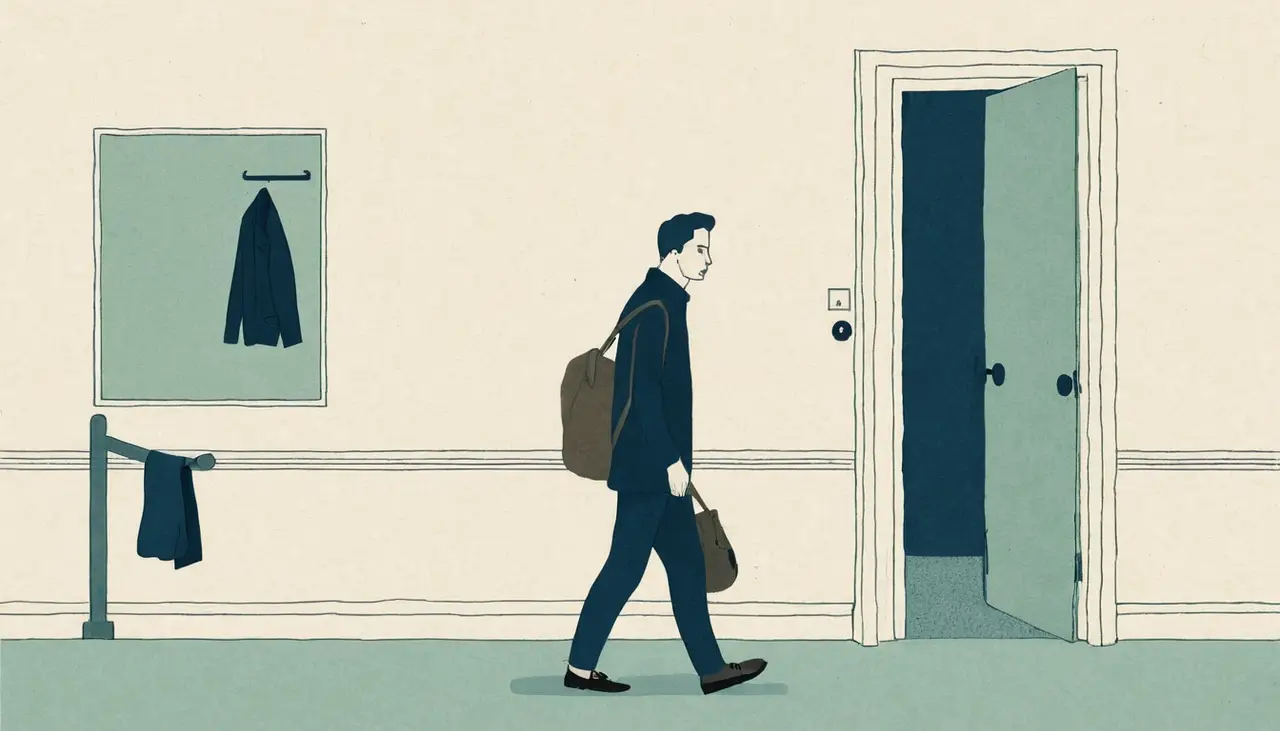
It is the part of the day where you stop holding everything up. The laptop closes, the house gets quiet, the message goes unanswered, or the feeling you outran all afternoon finally catches you. The drink does something fast. That is why the word "crutch" feels so accurate and so unfair.
Do not start by kicking it away.
The Load Swap runs the other way: name what the drink is carrying, build one replacement for that exact load, then shrink the alcohol around the replacement instead of leaving yourself with nothing to lean on.
Why the crutch works
Alcohol can feel useful because it changes state quickly. It softens stress, quiets anger, blurs loneliness, or marks the end of work. That relief is real enough to teach the brain a habit.
The problem is that relief drinking can deepen the very gap it covers. NIAAA's neuroscience Core Resource describes a stage of the addiction cycle where drinking becomes less about pleasure and more about relieving discomfort, while stress systems get louder between drinks. In everyday terms: the crutch starts carrying more weight because the floor under it keeps sinking.
That is not a character flaw. It is a learned loop.
Name the load
Most people try to replace "drinking" as if it is one thing. It usually is not. The drink may be doing a different job on Tuesday than it does on Saturday.
Write the sentence this way: "At ___, the drink helps me ___." Then fill it in without polishing.
- At 6:30, the drink helps me stop working.
- After an argument, the drink helps me not replay it.
- When the house is quiet, the drink helps me not feel lonely.
- Before bed, the drink helps me believe I can sleep.
- After a good day, the drink helps me feel like I earned something.
Do-it-now action: pick the one sentence that feels most true. That is the load. Do not try to fix all of them tonight.
Match the replacement to the load
A flimsy replacement fails because it solves the wrong problem. Herbal tea does not replace anger. A walk does not replace the need to end the workday if you are still checking email on the walk.
Match the fix:
For stress: close the loop before you pour. Write the three unfinished tasks on paper, choose the first one for tomorrow, and put the paper away. The replacement is not relaxation; it is containment.
For anger: buy ten minutes before any decision. Step outside, shower, or do one repetitive task with your hands. The replacement is not peace; it is not making the drink the first response.
For loneliness: send one low-stakes message before the usual pour. "Thinking of you." "Long day over here." "Want to catch up this week?" The replacement is not instant intimacy; it is contact.
For sleep fear: separate "I need sleep" from "I need alcohol." Dim lights, stop screens, and give your body a repeated wind-down cue. If sleep has been tied to alcohol for a long time, the first nights may be uneven. Uneven is not failure.
For reward: make the reward visible earlier. Put the alcohol-free drink in a real glass, plate the snack, sit somewhere that is not a work station. The replacement is not deprivation; it is an ending you can feel.
Shrink the pour around the replacement
The Load Swap works best when the replacement arrives before the alcohol changes. If you usually pour at 7, run the replacement at 6:45. If you usually drink three, make the first change around the first drink: delay it, measure it, or swap the first pour for something alcohol-free and keep the rest of the night observable.
This matters because the brain learns sequence. If the new thing only happens after you white-knuckle for an hour, it gets coded as punishment. If it happens before the usual cue, it has a chance to become the new cue.
For more urge-specific tools, NIAAA's Rethinking Drinking guidance emphasizes knowing your triggers, distracting until the urge passes, and challenging the thought that a drink is required to get through the moment. The Load Swap is one way to make that guidance concrete: identify the state, answer the state, then decide about the drink from a less urgent place.
Watch the mood loop without self-diagnosing
If alcohol is carrying sadness, dread, or numbness, do not turn this article into a private diagnosis. Just treat the pattern as worthy of attention. A peer-reviewed clinical review on co-occurring alcohol use and depression describes how alcohol problems and low mood commonly feed each other: drinking can worsen mood over time, and low mood can drive more drinking.
You do not need to decide whether that label applies to you. You can notice the two-way street: if the drink is the only reliable relief, and the days after drinking feel lower, the crutch may be adding weight while it holds you up.
That is a good reason to involve a clinician, therapist, or other qualified support, especially if mood symptoms feel persistent or intense. If unsafe ever enters it — thoughts of hurting yourself, even passing ones — call or text 988 now rather than waiting for an appointment.
When the first weeks feel wobbly
Here is the honest admission: replacing a crutch feels awkward because the old one worked quickly. A new tool may feel fake at first. You may still want the drink after the walk, the text, the shower, or the written list.
That does not make the tool useless. It means the loop is not yet convinced.
Give the replacement a small test window. One load, one tool, one week. Track whether the urge drops from a 9 to a 7, whether the first drink moves later, whether you stop at two instead of three, whether one night feels easier than the last. Look for movement, not a personality transplant.
For related reading, see emotional triggers and alcohol, managing stress without alcohol, and instead of drinking after work.
The move to remember
Do not ask, "How do I stop needing a crutch?" Ask, "What load is this crutch carrying, and what else could carry ten percent of it tonight?"
Ten percent is enough to begin. A crutch loses its grip when the thing underneath gets stronger.
This article is general education, not medical advice or mental-health care. If cutting back feels physically unsafe, or if mood symptoms include thoughts of harming yourself, call or text 988; for confidential alcohol-treatment referrals, SAMHSA's National Helpline is 1-800-662-HELP.
- Medication & treatment
How to Drink Less Without AA: A Practical Cutback Framework for People Who Aren't Doing a Program
Drinking less without AA works best as four weekly jobs: measure honestly, plan a number, prepare for the hard moment, and check in.
- Social events & holidays
How to Handle Pride Events When You're Cutting Back on Drinking
A practical Pride Month pacing guide for brunches, parades, block parties, clubs, and house gatherings when you want the day to include less alcohol.
- Social events & holidays
How to Handle Labor Day Weekend When You're Cutting Back
Cutting back on Labor Day starts with a plan for each gathering. Set an arrival and exit time, count actual pours, and have a reply ready for refills.
- Understanding your drinking
When a Loved One Asks for Money and You Think It Will Go to Alcohol
You can refuse cash without refusing care. Sort the request by safety, necessities, spillover, and what you can afford to repeat.
- Understanding your drinking
Supporting a Grieving Loved One Whose Drinking Worries You
Offer a grieving loved one wanted company or practical help. Raise a drinking concern separately when safe, and leave room for your own support.
- Social events & holidays
How to Talk to Friends About Cutting Back on Drinking
Telling friends you're cutting back works best as short lines picked in advance: one casual, one for close friends, one for pushback — never improvised at the table.


Be the first to hear when Clero launches.
Join with email only. Clero is still in development, so this is educational content today — not treatment, a prescription request, or medical advice.
First to hear at launchLaunch news only — no spamUnsubscribe anytime