
When a Loved One Asks for Money and You Think It Will Go to Alcohol
You can refuse cash without refusing care. Sort the request by safety, necessities, spillover, and what you can afford to repeat.
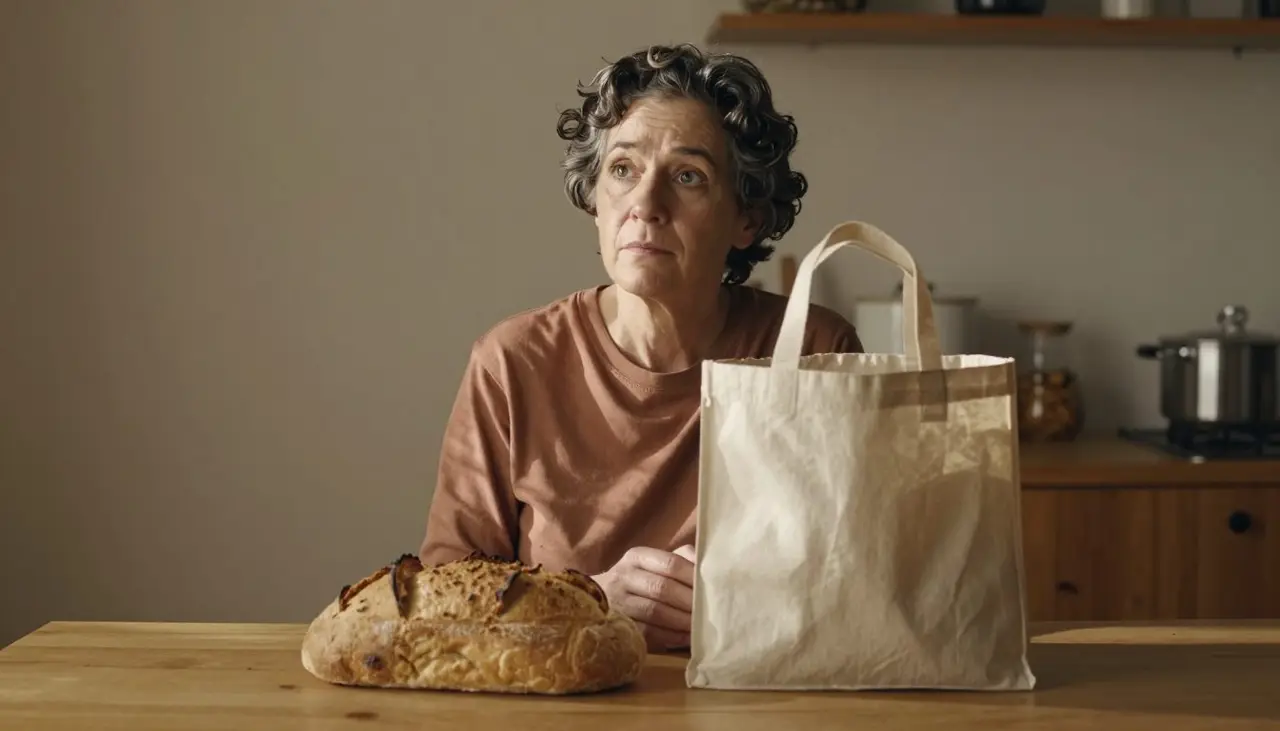
The request usually arrives with a real need attached. Rent. A phone bill. Groceries. Gas. A ride. A debt. A line about being stuck.
And under it sits the part you are afraid to say: if I give this, does it help them live, or does it help the drinking keep going?
Use the Cash-or-Care Sort. It will not make the answer painless. It can keep the decision from becoming punishment, panic, or another night of paying for something you cannot keep paying for.
The Cash-or-Care Sort
Ask four questions before you answer:
- What exactly is being requested?
- Would cash make drinking cheaper, or would bounded help make safety or necessities possible?
- Who else is affected if I say yes or no?
- Can I afford to repeat this if the same request comes back next week?
Four questions, no more than that. They are what separates care from open-ended rescue.
The reason to be specific is that "money" is not one kind of help. Cash in hand, a direct bill payment, one grocery drop-off, a ride from a safe place, and another month of rent all change different things. The same family member may be able to offer one and not the others.
Name the exact ask
Write the request in plain words before you answer.
- "They asked for cash."
- "They asked me to cover rent again."
- "They asked for a ride."
- "They asked me to buy food."
- "They asked me to pay a bill so their money can go elsewhere."
That last version is uncomfortable, but it matters. Sometimes the money does not buy alcohol directly. It frees other money for alcohol, or removes a consequence that would otherwise land.
Rotunda, West, and O'Farrell measured enabling as specific countable behaviors in a small clinical sample of 42 couples, not as a personality type. That is useful here because it lowers the moral temperature. You are not trying to decide whether you are "an enabler." You are deciding what this payment would do.
For the broader pattern, how to stop enabling an alcoholic uses the cheaper-or-dearer test across every kind of help. The Sort narrows it to the one request in front of you.
Separate cash from bounded help
Cash is flexible. That is why it can help and why it can disappear.
A bounded alternative names what you will do and where it ends:
"I cannot give cash. I can bring groceries once this week."
"I am not able to cover rent again."
"I can help you call about the bill while you are sober. I am not paying it."
"I can arrange a sober ride from a safe place. I am not sending money."
None of those is financial advice; each one just states what you will take part in. That is the move the federal health agency SAMHSA — the Substance Abuse and Mental Health Services Administration — asks supporters to make: say what help you can and cannot give. Take it literally: name the help, name the limit, and stop trying to make one sentence solve the whole relationship.
Bounded help still has to be honest. "I can bring groceries once" only works if once means once. If you know you will keep extending it, write that down before you offer it.
Check the spillover
Money decisions rarely affect only the person asking.
If children, shared housing, your own bills, an older adult, or another dependent person is affected, the decision has a second layer. The question is not only "Will this fund drinking?" It is also "Who gets hurt if I absorb this cost or refuse it?"
Financial trouble is one of the ten harms Nayak and colleagues counted when they asked 8,750 U.S. adults across two national surveys what someone else's drinking had cost them in the past year; about 21% named at least one. That figure does not set your budget. It does mean money spillover is a documented family harm rather than a petty complaint.
If the request would keep a child fed tonight, treat the child's need as its own fact. If the request would empty your rent money, your housing is its own fact too. Do not hide your own household inside the word "support."
If the person asking is your adult child, supporting a son who drinks takes up that relationship in full. If it is a spouse, and safety and a shared life are tangled into the money, the decision about staying or leaving is the closer fit.
If you share accounts, rent, or bills with the person asking, do not solve that in a text exchange at midnight. Dividing accounts or restricting access is a question for qualified financial or legal help, especially where dependents, housing, or joint obligations are involved. What you can settle tonight is smaller: your own basics count in the decision, and treating them as part of it is not a selfish exception.
Make repetition part of the first answer
The first request is rarely the hardest. The repeat request is.
Before you say yes, ask whether you can say the same yes three more times without resentment, secrecy, or risk to your own basics. If the answer is no, say the smaller truth now.
Try:
"I cannot make this a pattern. I am not able to pay this bill again."
Or:
"I can bring food today. I am not giving cash, and I am not taking over groceries every week."
Do not write a rule you cannot keep. A limit that collapses every time they get angry teaches both of you to wait for the collapse.
If you are trying a smaller yes, put the boundary in the same sentence as the help: "I can buy groceries today, and I am not giving cash." If the alternative is no, leave it as no. A complicated answer can become a new negotiation.
When threats change the question
If the request comes with threats, extortion, intimidation, coercive control, violence, or fear about what happens if you say no, stop treating it as a money-boundary question. Use the National Domestic Violence Hotline from a safe device or place: call 1-800-799-7233, text START to 88788, or use thehotline.org. Call 911 for immediate danger.
If the person threatens suicide or self-harm, call or text 988 and call 911 for imminent danger. Do not buy safety with a private payment.
If the request is money to get through stopping, do not become the detox plan. Withdrawal can be dangerous for a daily heavy drinker, so the timing is a clinician's call before it is anyone else's; MedlinePlus lists the symptoms that make it an emergency, and a seizure, hallucinations, or severe confusion after cutting back needs 911 or an emergency room.
Say one sentence and stop
The final line should be short enough to repeat.
"I cannot give cash. I can bring groceries once."
"I am not able to cover rent again."
"I can talk tomorrow when we are both calm. I am not sending money tonight."
Then stop adding courtroom evidence. You do not have to prove where the money would go. You do not have to win the word "alcoholic." You do not have to make the refusal sound less painful by turning it into a lecture.
Care can be real and still have edges. Sometimes the caring answer is a bounded yes. Sometimes it is no cash. Sometimes it is emergency help. The Cash-or-Care Sort does not decide for you. It keeps the request small enough that you can decide without handing over your whole life with it.
This is general education, not financial, legal, clinical, or safety-plan advice; use 911 for immediate danger, 988 for self-harm concern, and qualified local support when dependents or coercion are involved.
- Cutting back & moderation
Thinking About Dry July When You Already Cut Back
How to think through Dry July when you are already drinking less, including no-spiral planning, safety guardrails, and what a no-drink month can clarify.
- Helping someone who drinks
Should I Leave My Alcoholic Husband?
There is no one right answer, but safety comes before marriage strategy. A decision frame for fear, children, boundaries, treatment, and staying honest.
- Understanding your drinking
When a Loved One Loses Their Job Because of Drinking
Job loss can feel like the wake-up call, but your role is narrower: check safety, refuse cover stories, and protect your own limits.
- Helping someone who drinks
When a Loved One Is Upset You Are Going to Al-Anon
Al-Anon can be support for you, not an accusation against them. Explain once, keep meeting details private, and do not ask for permission.
- Understanding your drinking
When a Loved One Asks You to Pick Them Up After Drinking
A pickup request is not a promise to solve the night. Confirm danger, offer only safe transport you can actually provide, and keep the boundary clear.
- Family & relationships
When a Loved One Asks You to Pass Messages to Estranged Family
Passing a message can feel neutral, but it can bypass another adult's no. Decline relaying, keep relationships separate, and route emergencies.


Be the first to hear when Clero launches.
Join with email only. Clero is still in development, so this is educational content today — not treatment, a prescription request, or medical advice.
First to hear at launchLaunch news only — no spamUnsubscribe anytime