
The Best Podcasts To Help You Quit or Cut Back on Drinking
The best quitting and alcohol-free podcasts depend on what you need tonight: curiosity, science, real stories, or support beyond listening.
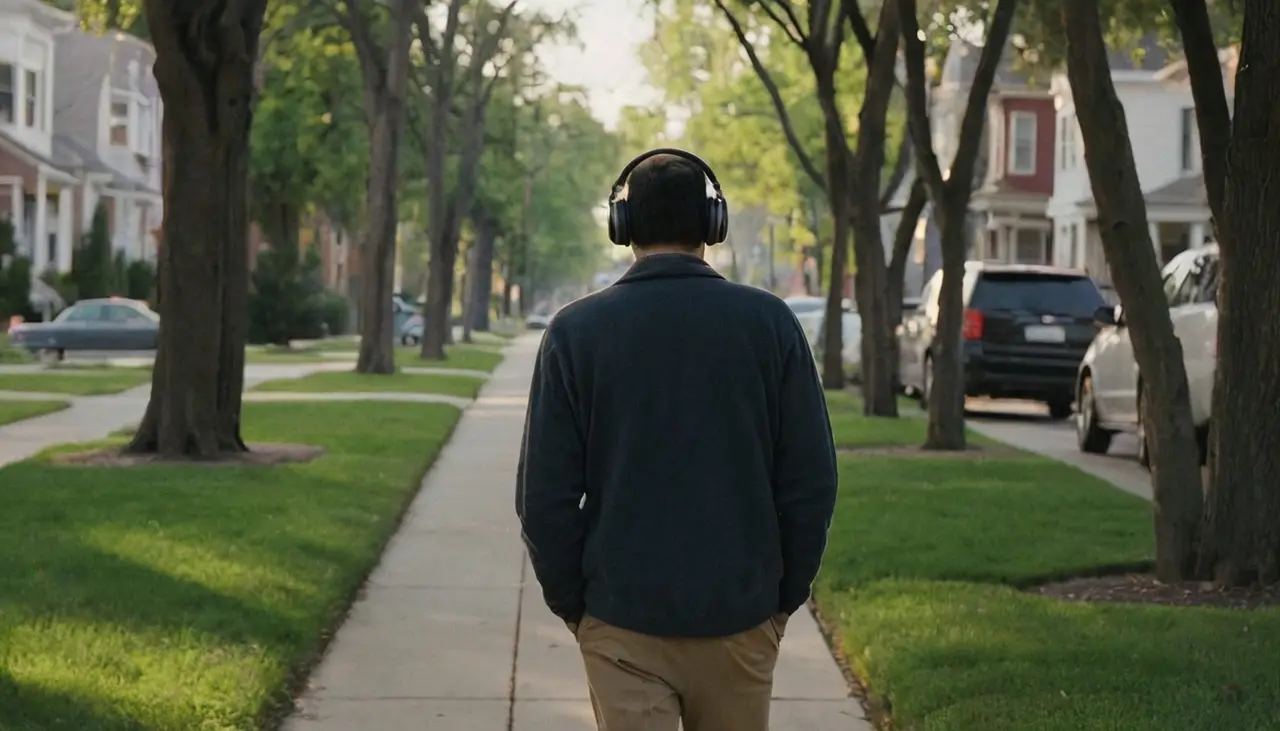
There is no single best podcast for quitting, cutting back, or trying an alcohol-free stretch. A useful show is the one that matches the question you are willing to hear right now: "Am I overdoing it?", "Could alcohol-free life actually sound normal?", "Why does this feel so hard?", or "What do I do tonight at 9 p.m.?"
That is why podcasts work differently from books or meetings. They are private. You can listen while walking, commuting, folding laundry, or sitting in the car before you go inside. You do not have to announce anything before you learn the language for what is happening.
Start with the question you are carrying
If you are still deciding whether alcohol is a problem, look for a show that opens the door without asking for a final label. This Naked Mind Podcast is a common first stop for people questioning the beliefs around alcohol, especially if the internal argument is still active: maybe I should stop, maybe I am overreacting, maybe I only need better rules. Its archive points new listeners to episode one, which introduces the host and the premise rather than opening with a diagnosis, and files the rest under reader questions, interviews, and life stories.
If you want a plain recovery conversation with long-form interviews, Recovery Elevator fits the listener who wants to hear many versions of change rather than one doctrine. It is often more abstinence-forward than moderation-focused, so it may feel bracing if you are only starting to ask questions. Its archive runs newest-first across 600-plus numbered episodes with no start-here path, so nothing is lost by opening a recent one instead of hunting for the beginning.
If you want science and tools before personal stories, Sober Powered is built around short explanations of alcohol, cravings, anxiety, sleep, and habit loops. Its episode page says it plainly: search "Sober Powered" plus a topic and the relevant episodes come up, tagged stress, sleep, early sobriety, drinking to cope, and withdrawal.
If you want a working-parent, midlife, or wine-o-clock lens, Hello Someday and The Sober Mom Life may feel closer to the daily setting where the habit lives. Hello Someday's archive leans toward busy women, gray-area drinking, first alcohol-free months, and wine-as-reward episodes. The Sober Mom Life has a parenting-and-motherhood angle, including real-listener stories and friendship, culture, and identity topics. Your life does not have to match the host's for this to work; what matters is hearing the small private scenes get named.
Match the show to the stage, not the reputation
A show can be excellent and still wrong for tonight. Use fit as the filter:
- Curiosity stage: choose a show that questions alcohol culture without requiring a public decision.
- Science stage: choose a show that explains cravings, sleep, anxiety, and reward in plain language.
- Story stage: choose interviews or memoir-style episodes when secrecy has made the problem feel unique.
- Women-centered stage: choose shows that talk openly about gender, parenting, body pressure, social pressure, and the way drinking gets marketed as relief.
- Skill stage: choose shorter episodes that hand you one behavior to test this week.
The National Institute on Alcohol Abuse and Alcoholism (NIAAA) names stigma as a major barrier to care, and that matters here: hearing ordinary voices talk about alcohol can make the subject less private and less loaded before you are ready to tell anyone in your own life.
If "alcohol-free podcasts" is the better phrase
Some people are not searching for a quit-drinking show. They are searching for an alcohol-free life that does not sound grim. That listener may do better starting with episodes about first alcohol-free weekends, friendships changing, travel, parenting, work events, or the relief of not negotiating with yourself every night.
That is a slightly different filter. Instead of asking "which show will make me stop?", ask "which episode helps me picture the next ordinary situation without alcohol in it?" Recovery Elevator and The Sober Mom Life are often useful for story and daily-life texture. Sober Powered is better when you want the mechanics underneath the habit. This Naked Mind and Hello Someday sit in the middle: part questioning, part story, part practical reframing.
Give each show one clean entry point
Do not subscribe to five shows and call that progress. Pick one first episode for one job:
- Questioning alcohol: start with This Naked Mind's own first episode, or a reader-question episode if one argument is keeping you up.
- Wanting proof you are not uniquely stuck: open any recent Recovery Elevator interview; newest-first means the top of the list is as good a door as the bottom.
- Needing the "why" before the "how": search Sober Powered by topic and pick the exact pressure point - stress, sleep, drinking to cope, or early sobriety.
- Trying to stop making wine the reward: choose a Hello Someday episode on gray-area drinking, working-mom pressure, or the first month alcohol-free.
- Wanting motherhood-specific company: start in The Sober Mom Life archive with a real-story episode or a friendship / culture episode before trying advice-heavy episodes.
One clean entry point beats a full queue.
A podcast is company, not a plan
Audio can help you recognize the pattern. It cannot hold a boundary for you, check whether withdrawal is safe, repair a relationship, or replace a real person you can call when the craving spikes.
That does not make podcasts weak. It just gives them the right job. Let an episode do one of three things:
- put words to something you have not been able to say;
- give you one experiment for the next seven days;
- point you toward support beyond listening.
The trap is collecting episodes as a way to avoid acting. If a show makes you nod along but your week stays exactly the same, change how you listen.
Listen so something changes
Try the one-episode rule. Pick one episode. After it ends, write one sentence:
"The thing I noticed about my drinking is ____."
Then choose one small test for the week. Count your drinks for seven days. Delay the first drink by ten minutes. Plan one alcohol-free evening. Move the bottle out of the usual spot. Tell one safe person you are rethinking alcohol. The action should be small enough that you can do it while still feeling unsure.
If you listen to a women-centered podcast and want support beyond audio, Women for Sobriety runs a peer-support program designed around women's recovery needs. If you like practical skills and a secular frame, SMART Recovery offers free meetings built around motivation, coping with urges, managing thoughts and behaviors, and building a steadier life.
When listening is not enough
Use a podcast as a first door, not the only one. If drinking has become hard to control, if you are hiding how much you drink, or if the same promise keeps breaking every night, the episode has done its job: it has shown you the pattern. The next conversation belongs with a licensed clinician who can hear your specifics, not another host who cannot. And if you feel sick or shaky when you stop drinking, have that conversation promptly, before changing anything abruptly.
If audio is still the right door but not the whole shelf, pair it with one neighboring resource: a book if you want a slower argument, an app if you need tracking, a peer group if you need another human in the loop, or a craving plan if tonight is the problem. The nearby starting points are books for quitting drinking, apps to stop or cut back, alternatives to AA, and what to do when you crave alcohol.
FAQ
Are sobriety podcasts only for people who want to quit forever?
No. Some shows are abstinence-forward, while others are useful for people who are still questioning, cutting back, or trying to understand their pattern. If "alcohol-free podcasts" feels less loaded than "sobriety podcasts," use that wording as your filter.
Can a podcast actually help me drink less?
It can help if you turn listening into one concrete change. A podcast can reduce shame, explain the loop, or make a next step feel possible. It cannot do the next step for you.
What if a show makes me feel worse?
Stop listening to that show. The right resource should make the subject clearer, not flood you with fear. Try a different format: science, interviews, practical skills, or live support. There is still no single best show - only the one that fits the question you are carrying this month.
This article is general education, not medical advice or a treatment plan. If drinking feels unsafe to change alone, or if you feel withdrawal symptoms when you cut back, talk with a licensed clinician, or call SAMHSA's National Helpline at 1-800-662-4357 for free, confidential referrals all day, every day.
- Tools & resources
The Best Books to Quit Drinking or Cut Back in 2026
This Naked Mind, Alcohol Explained, Blackout, Quit Like a Woman and more — matched to your situation: private doubts, science, memoir, or next steps.
- Cutting back & moderation
Can I Cut Back Without Quitting Forever?
Yes — many people cut back without quitting forever. Whether moderation is realistic depends on your pattern and what happens when you try. How to tell.
- Mind & mood
Alcohol and Vivid Dreams When You Cut Back
Vivid dreams after cutting back are usually REM rebound, not withdrawal. Why the dreams get so loud, how long the phase tends to last, and the signs that need care.
- Cutting back & moderation
Drinking and Saturday Mornings Feel Different When You Cut Back
A clear Saturday morning can feel strange rather than triumphant: what's missing is the structure, not the drink. Why the empty hours don't need a productivity plan.
- Medication & treatment
Can I quit drinking alcohol with medication?
Yes — three FDA-approved medications can help you quit or cut back on alcohol, and each does a different job. Which fits which goal, and how to ask a clinician.
- Tools & resources
Best Quit-Drinking Journals and Workbooks: A Format Map of What's Out There in 2026
Quit-drinking journals and workbooks do four jobs: structured exercises, prompts, tracking, or blank private writing. Pick by job.


Be the first to hear when Clero launches.
Join with email only. Clero is still in development, so this is educational content today — not treatment, a prescription request, or medical advice.
First to hear at launchLaunch news only — no spamUnsubscribe anytime