
Sobriety Progress Tracking: What To Notice Besides Days
Sobriety progress tracking works best as pattern recognition, not perfection proof. A private, low-friction guide to days, triggers, supports, and next-day effects.
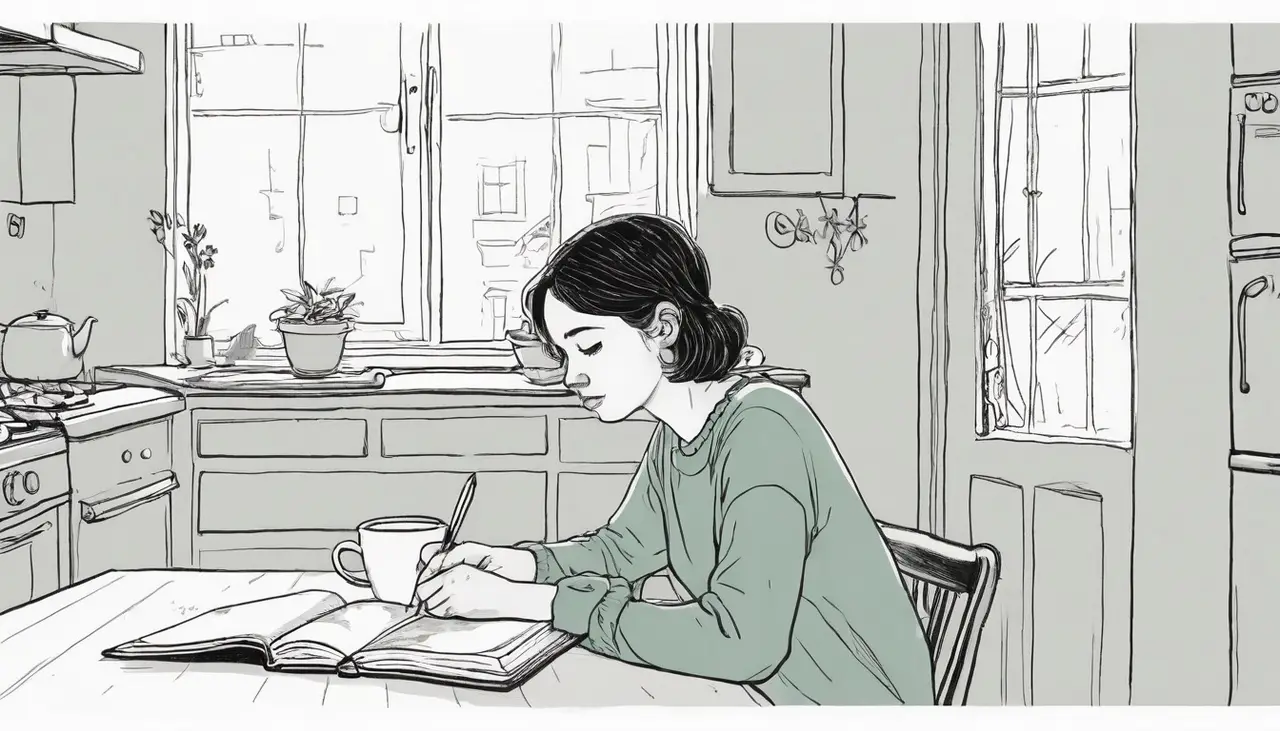
The counter can be useful until it becomes the only thing you can see.
One sober day matters. So does the hour that was easier than last week, the dinner where you left before the second round, the rough night you wrote down instead of hiding, and the support that actually helped. Sobriety progress tracking works best when it gives you pattern recognition, not another way to grade yourself.
Use the Four-Map Method: count, context, cost, and support.
Count what happened
Start with the simplest layer: days without drinking, days with drinking, and the amount if drinking happened.
This is not about building a courtroom record. It is about making vague patterns visible. If your goal is sobriety, a sober-day count can show momentum. If your goal is cutting back, a drink count can show whether the pattern is actually moving. NIAAA defines a U.S. standard drink as 0.6 fluid ounces, or 14 grams, of pure alcohol. That number is useful because "two drinks" can mean different things depending on pour size.
The adjacent question is whether a slip erases the count. It does not. It changes the record. A tracked slip says, "Here is what happened." An untracked slip often turns into either denial or shame.
Map the context
Numbers alone do not tell you where the pull came from.
Add two quick details: where you were and what was happening before the urge. Work stress, boredom, travel, a holiday meal, loneliness, partner drinking, an argument, a good-news celebration, and the first quiet hour after everyone else goes to bed can all matter. You are not trying to find one master trigger. You are trying to find repeatable conditions.
Keep the format small enough to use:
- When: day and time.
- Where: home, restaurant, work trip, family event, couch, kitchen.
- Before: stress, hunger, fatigue, conflict, boredom, confidence, shame.
- After: sleep, mood, anxiety, money, relationship tension, relief, regret.
If this takes more than two minutes, it is probably too big.
Track cost without punishing yourself
Cost does not only mean money. It can mean sleep, next-day anxiety, broken plans, secrecy, lost time, stomach upset, or the mental load of bargaining with yourself.
This is where progress tracking can become more honest than a streak. A week with no alcohol but constant white-knuckling tells you something. A week with one drinking night that showed a clear trigger also tells you something. The point is not to make one kind of week look better. The point is to learn what needs support.
Population numbers can help keep the topic in perspective without turning into a label. NIAAA's summary of the 2024 National Survey on Drug Use and Health (NSDUH) reports that about 57.0 million U.S. adults had past-month binge drinking. NIAAA defines binge drinking as a pattern that typically brings blood alcohol concentration to 0.08% or higher, often 5 or more drinks for males or 4 or more drinks for females in about 2 hours. Those figures describe patterns; they do not decide your worth.
Mark the support that worked
Most trackers over-focus on the problem and under-track the help.
Add a support column. Did eating earlier help? Did leaving the event early help? Did texting someone help? Did moving rooms help? Did a walk help? Did not keeping alcohol at home help? Did a clinician conversation or helpline call change what you knew?
This is how tracking becomes practical. You are not only recording the hard part. You are recording what changed the hard part.
That also keeps the tracker from becoming a punishment log. A week can include a hard craving and a useful support. If you only track the craving, you miss the part you can repeat.
Keep it private and low-friction
Use whatever you will actually keep using: a notes app, a paper calendar, a spreadsheet, a locked document, or a small weekly note. Do not pick a tool because it looks impressive. Pick the one that you can open when you are tired.
Avoid three traps:
- Scoring yourself. A number can describe a week; it does not diagnose you.
- Collecting too much. If the tracker feels like homework, it will disappear.
- Using one bad day as the whole story. One point can be important without being the entire graph.
This page also is not asking you to enter private health information into a public form or unreviewed tool. Keep personal details where you control them, and bring clinically relevant concerns to a licensed clinician.
When the data points to outside support
If your notes keep showing failed attempts to stop, physical symptoms when you cut back, drinking despite consequences, or a pattern that is getting harder to control, do not just make the tracker prettier. Bring the pattern to someone who can help you interpret it.
NIAAA describes AUD as involving impaired ability to stop or control alcohol use despite adverse consequences. Repeated control problems are worth a real conversation. If you want to have that conversation but do not have a clinician yet, Clero connects you by telehealth with a licensed clinician who can look at the pattern with you and talk through whether a medication option belongs in it.
Progress tracking is not there to prove you are doing sobriety correctly. It is there to make the next useful move easier to see.
FAQ
What should I track besides sober days?
Track context, next-day effects, craving times, support used, and what changed before the hard moments. Days matter, but patterns explain more than a streak count can.
How do I track a slip without making it feel like failure?
Write it as information: what happened, what came before it, what support was missing, and what the next 24 hours needs. A tracked slip can guide a reset instead of becoming a shame story.
Do I need an app to track sobriety progress?
No. A notes app, paper calendar, or short weekly note can be enough. The best tracker is private, simple, and easy to keep using when the week is messy.
This article is general education, not medical advice, diagnosis, or a scoring tool. If tracking shows withdrawal symptoms, escalating drinking, or safety concerns, bring the pattern to a licensed clinician or urgent support. For free, confidential referrals, SAMHSA's National Helpline is available at 1-800-662-HELP.
- Understanding your drinking
8 to 12 Beers a Day
A safety-first guide to what an 8-to-12-beer daily pattern means in standard-drink terms, why it warrants clinician input, and why this page will not give a taper plan.
- Quitting & sobriety
What to Do After a Slip: Restart Strategies That Do Not Start With Shame
After a drinking slip, focus on safety and the next step. Notice what led up to it, adjust your plan, and decide what support you need.
- Quitting & sobriety
How do I stop drinking?
Stopping drinking starts with safety, not willpower. If you drink heavily every day or have had withdrawal symptoms, ask a clinician what level of care is safest before you stop suddenly. If you are medically stable, the next step is to choose support that matches your goal, privacy needs, and risk level: therapy, peer support, medication education, primary care, telehealth, outpatient treatment, or a higher level of care.
- Family & relationships
When Friends Pull Away Because of Your Drinking: What It Means and What You Can Do
Friends pulling away is information, not proof you are beyond repair. Make the signal specific, check the pattern against a neutral yardstick, then repair small.
- Body & physical health
Does Alcohol Cause Memory Loss? Short-Term, Long-Term, and What Can Recover
Alcohol can cause blackouts, next-day fog, and long-term memory changes. The pattern tells you when to cut back, track it, or seek medical care.
- Quitting & sobriety
Understanding Alcohol Withdrawal Symptoms and Treatment Options
A safety-first explanation of alcohol withdrawal symptoms, severe warning signs, and treatment categories without at-home detox instructions.


Be the first to hear when Clero launches.
Join with email only. Clero is still in development, so this is educational content today — not treatment, a prescription request, or medical advice.
First to hear at launchLaunch news only — no spamUnsubscribe anytime