
Sobriety and Mental Health
Sobriety often lifts alcohol-driven low mood and anxiety, while an independent depression tends to stay put. How to tell which pattern you're in.
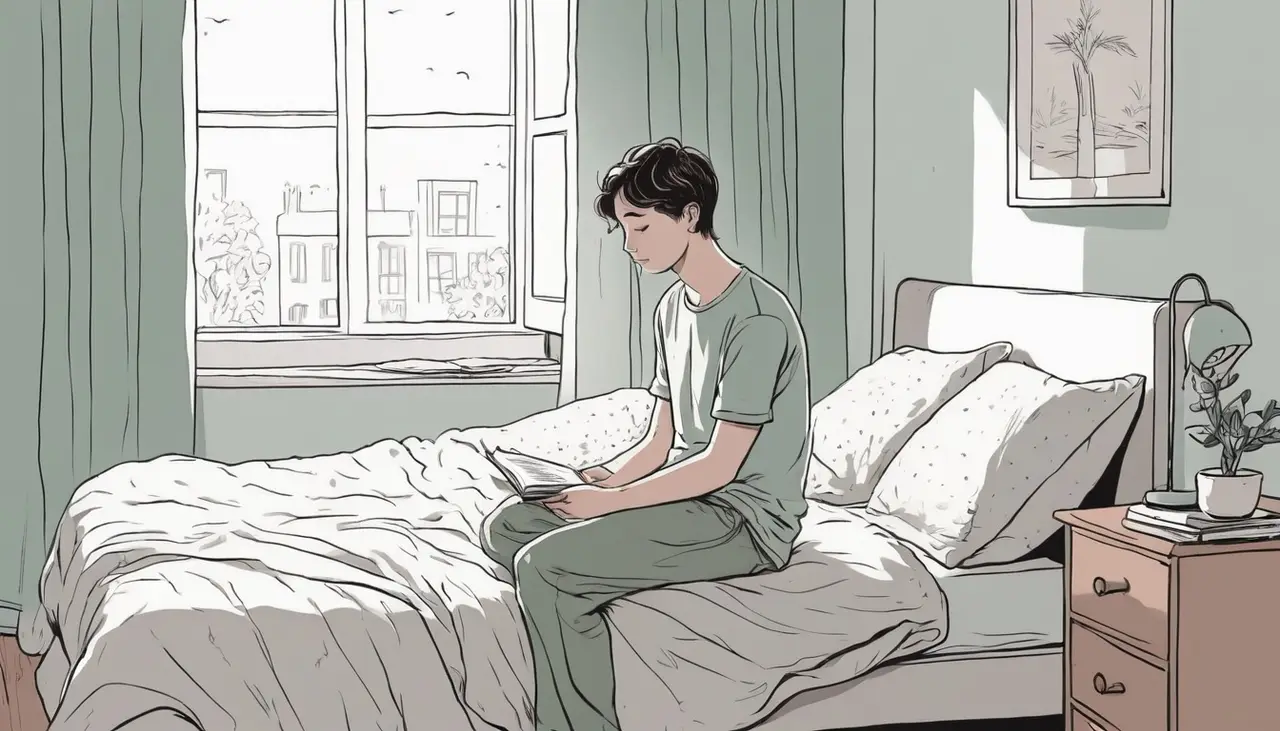
"Will getting sober fix my mental health?" is one of the most common questions people ask when they start rethinking a drinking pattern. The honest answer is that sobriety can change the mental-health picture, but it should not be sold as a guaranteed cure for anxiety, depression, stress, or sleep problems. Alcohol, mood, sleep, and distress tend to be tangled together, and a change in drinking usually makes some parts of that pattern easier to see — not all of them, and not on a schedule.
Why alcohol and mood can be hard to separate
Alcohol can feel like it changes mood quickly. It may quiet stress for a short window, make social contact easier, or create a temporary break from a hard day.
The same short-term shift makes the longer pattern hard to read. A person may drink because they feel anxious or low, then feel worse after drinking, then drink again because feeling worse is difficult to sit with. Over time, the question becomes less "Which caused which?" and more "How are these pieces feeding each other?"
That distinction matters because it keeps the picture honest. Sobriety may help clarify the pattern. It does not automatically prove that alcohol was the only cause.
What the evidence says about depression and alcohol
The overlap between alcohol use disorder and depression is not one-directional. A peer-reviewed clinical review on co-occurring AUD and depression describes the relationship as bidirectional: people with AUD are more likely to develop depression, and people with depression are more likely to develop AUD. It also notes that alcohol-induced depressive symptoms often improve once someone stops drinking, while an independent major depression tends to persist.
The practical meaning is narrow but useful. Reducing or stopping alcohol can sometimes reveal how much of the mood picture was alcohol-related. It also means persistent depression should not be dismissed as "just drinking" or "just withdrawal from drinking."
So track changes without turning them into a self-diagnosis. Better mornings, fewer next-day lows, or less anxiety after drinking less are useful information. Continued low mood, hopelessness, panic, or an inability to function is also information — and it points toward a conversation with a professional rather than another week of watching.
Sleep is part of the mental-health picture
Sleep can make the alcohol-mood loop stronger. Poor sleep worsens anxiety and irritability. Alcohol disrupts sleep quality. Then the next day starts with less emotional margin.
The sleep evidence resists neat timelines, which is exactly why it matters here. A review on AUD and sleep disturbances describes insomnia and sleep disruption as common in AUD, with problems such as longer time to fall asleep, more nighttime wakefulness, and reduced slow-wave sleep sometimes persisting well into abstinence rather than resolving in the first weeks.
That does not mean every person who cuts back will sleep badly, or that sleep will improve on a fixed schedule. It means sleep changes are worth noticing without treating one week as a final answer.
Sobriety can clarify, but it cannot diagnose
If cutting back or stopping alcohol improves mood, that improvement is meaningful. It may show that alcohol was worsening sleep, increasing next-day anxiety, deepening low mood, or making stress harder to recover from.
If symptoms do not improve, that is meaningful too. It may mean the mental-health concern has its own course, that sleep has not stabilized, that withdrawal or stress is involved, or that more support is needed. None of those possibilities can be sorted out from an article.
For scale: NIAAA's 2024 estimate put past-year alcohol use disorder at 27.9 million people ages 12 and older in the United States — about 9.7% of that age group. That number should not be used to label a reader. It does show that alcohol and mental health are common enough to discuss directly, without treating the subject as rare or embarrassing.
A useful way to track the signal
If you are changing alcohol use and watching mental health, track a few plain variables for two or three weeks. Keep the notes short enough that you will actually do them.
- Alcohol: drinking days, approximate standard drinks, and any heavy episodes.
- Sleep: time to bed, wakeups, early waking, and how rested you feel.
- Mood: low mood, irritability, anxiety, shame, or emotional numbness.
- Stress: major stressors that would affect mood even without alcohol.
- Safety: any thoughts of self-harm, feeling unable to stay safe, or severe emotional distress.
The point is not to prove a theory. It is to bring a cleaner picture to a professional conversation if you need one.
When support is urgent
Some of this cannot wait for an alcohol experiment to answer the question. If suicidal thoughts, thoughts of self-harm, severe emotional distress, or feeling unable to stay safe are part of the picture, reach out now: the 988 Suicide and Crisis Lifeline offers free, confidential 24/7 call, text, and chat support for people in suicidal crisis or emotional distress. If there is immediate danger to your life, call 911 or go to an emergency room.
Withdrawal has its own hard edge. Stopping suddenly after heavy daily drinking can be dangerous, and symptoms such as shaking, sweating, confusion, hallucinations, or a seizure are a medical emergency — call 911 or go to an emergency room, and plan any big change with a clinician rather than testing it alone.
When the concern is not an emergency but keeps returning, a clinician or mental-health professional can help sort alcohol-related symptoms from symptoms that need care in their own right. If you do not have a clinician to start with, Clero can connect you with a licensed clinician by telehealth to talk through what you are noticing and what might help. This is especially worth doing when alcohol changes and mood shifts are happening at once, because that is exactly when self-interpretation gets least reliable.
How to talk about the pattern
You do not need a perfect explanation before asking for help. A useful first sentence is: "I am trying to understand how drinking, sleep, and mood are affecting each other."
Bring specifics rather than conclusions. "I felt less anxious on three alcohol-free mornings" is more useful than "alcohol causes my anxiety." "My mood stayed low after two weeks without drinking" is more useful than "sobriety did not work."
Specifics leave room for the answer to be complicated, which is closer to how mental health, sleep, stress, and alcohol actually behave when they all move at the same time. A clinician can hold that complexity in a way a single before-and-after story cannot.
FAQ
Will sobriety fix anxiety or depression?
It may improve some alcohol-related symptoms for some people, but it should not be treated as a guaranteed cure. Persistent or severe symptoms deserve professional support.
What if I feel worse after stopping or cutting back?
Feeling worse can happen for several reasons, including sleep disruption, stress, withdrawal, or an independent mental-health concern. If symptoms are severe, unsafe, or persistent, seek professional support — and if withdrawal brings shaking, confusion, or a seizure, treat it as a medical emergency and call 911.
Is 988 only for suicide?
No. The 988 Lifeline is for suicidal crisis and emotional distress, and it can be reached by call, text, or chat.
This page is general education, not medical advice, diagnosis, or treatment, and it cannot tell you whether your symptoms are alcohol-related; a licensed professional can.
- Cutting back & moderation
Can I Cut Back Without Quitting Forever?
Yes — many people cut back without quitting forever. Whether moderation is realistic depends on your pattern and what happens when you try. How to tell.
- Body & physical health
Alcohol and Blood Pressure
Alcohol nudges blood pressure up, and the effect grows with how much and how often you drink — no low level looked protective. What lighter weeks can show.
- Family & relationships
How to Stay Sober When Your Spouse Still Drinks
Staying sober while your spouse drinks is a cue problem, not a willpower test. Reduce the cues you can, ask for specific agreements, and build outside support.
- Family & relationships
How to Tell an Adult Child You're Cutting Back on Drinking
Tell an adult child you're cutting back with a postcard, not a speech: what's changing, what it means for the next visit, and what you're asking for. Nothing else.
- Body & physical health
Alcohol and Your Liver
Alcohol-related liver damage runs a spectrum: fat, then inflammation, then scarring, rising with how much and how long. What a flagged AST can and cannot tell you.
- Mind & mood
Social Anxiety and Alcohol
A drink can ease social anxiety at first — then the rebound leaves you more anxious, and reliance builds. How the loop works, and how to interrupt it.


Be the first to hear when Clero launches.
Join with email only. Clero is still in development, so this is educational content today — not treatment, a prescription request, or medical advice.
First to hear at launchLaunch news only — no spamUnsubscribe anytime