
Why do I get evening alcohol cravings?
Evening alcohol cravings hit when the day's structure drops and a practiced habit loop takes over. Five small detours that reroute the 6 PM pull before it lands.
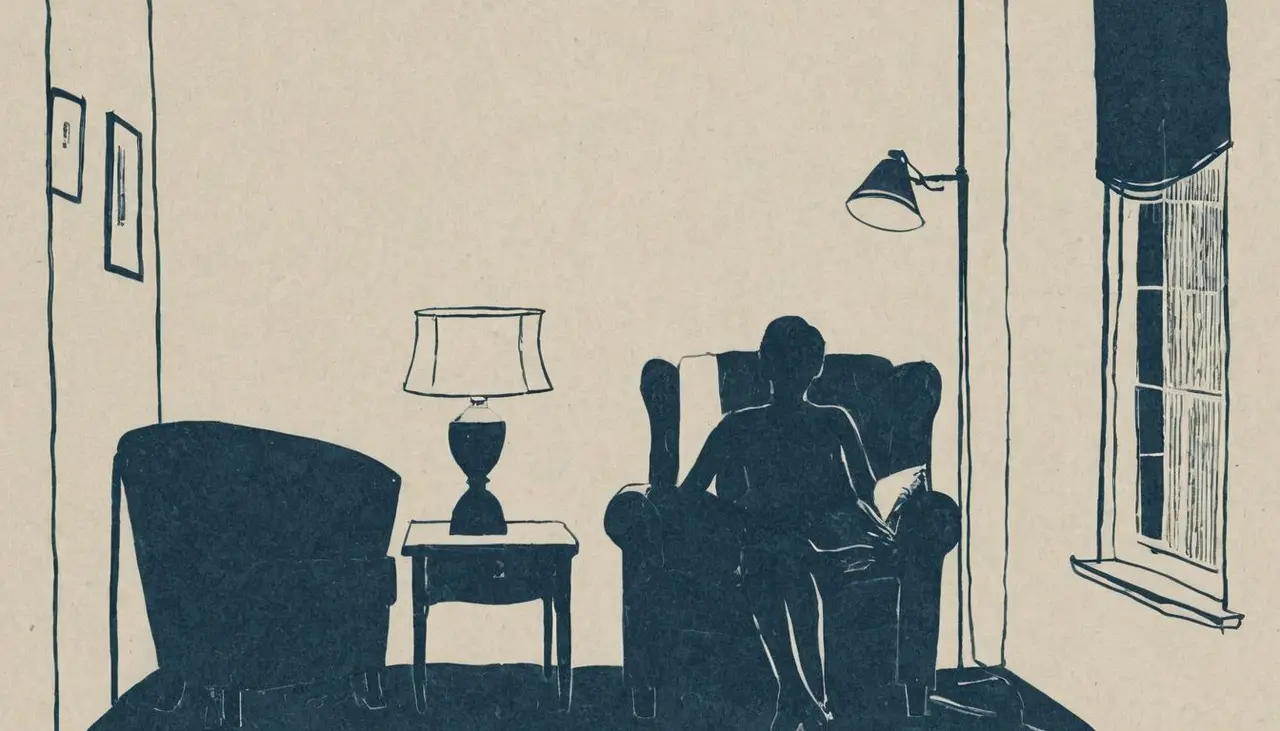
Six o'clock. The last email is sent, the door is shut, the house goes quiet, and something in you exhales and reaches — before you've decided anything, your hand already knows where the bottle is. It isn't a debate yet. It's a groove, worn smooth by every evening that ended the same way. And a groove is a thing you can reroute, if you catch it early enough.
That reaching-before-you-decide feeling is not weak character. It's a habit loop doing exactly what habit loops do: a cue fires (the day ends, the quiet lands), a routine runs (pour, sip, unwind), and a reward follows (the edges soften). Repeat it enough nights and your brain stops asking permission — it just runs the tape. The good news hiding inside that is simple: a loop is a route, and routes can be detoured. What follows is a small kit for building one detour, the 6 PM Detour — a way to put a few turns in the road between the cue and the first drink, so the craving has somewhere else to go.
Why the evening is the hard part
During the day, structure does a lot of the work for you. Meetings, errands, the school run, deadlines — they fence off the hours where drinking could happen. Come evening the fences drop. The stress you outran all day catches up at once, the privacy returns, and the practiced routine has open road.
There's a second reason the late hours feel heavier, and it's worth knowing because it quietly feeds the loop. A drink speeds you into sleep but wrecks the back half of the night: sleep gets lighter and more broken as the alcohol clears, so you wake unrested even when the hours on paper look fine (per a peer-reviewed review of alcohol and sleep). Tired next day, you lean on the evening drink a little harder to unwind — and the groove deepens. Naming that is half the work. You're not fighting a moral failing. You're interrupting a route your own brain has paved.
The 6 PM Detour
Think of the craving as a car already rolling toward one destination. You don't have to slam the brakes — you rarely can. You just have to add turns. Each turn below is a small delay or a small swap, and a craving that has to pass through food, a changed hour, some distance, and a person has a lot fewer straight shots to the first drink.
Move the bottle before you need to
Do this one when you're calm, not when you're craving — mid-morning, ideally. Willpower at 6 PM is a coin flip; a rearranged kitchen at 10 AM is a done deal. Put the alcohol somewhere inconvenient: a high shelf, the garage, a friend's place, or out of the house entirely. You're not trusting future-you to resist. You're making sure future-you has to walk farther, and that extra minute is often the whole game. Do it now: move one bottle to the least convenient spot you have.
Eat before the window opens
Cravings ride in on an empty, wrung-out body, and the after-work hour is prime time for both. Get something real into you before the usual urge lands — even a snack. A fed body argues back less. This is the cheapest turn in the whole route, and skipping meals is one of the quietest ways people set themselves up. Do it now: decide what you'll eat at 5:30 and put it where you'll see it.
Buy the first twenty minutes
A craving is not a flat line you have to hold against forever. It tends to rise, crest, and fall, often within minutes, if you don't feed it. So don't out-argue it — outlast it. Change the first twenty minutes of the evening: take a walk, get in the shower, start dinner, run one errand. You're not vowing never to drink. You're renting yourself twenty minutes on a different road, and the wave usually breaks before they're up. If you can't leave the kitchen, ten slow breaths — in for four, out for six — can be the different road; how to breathe through a craving walks through it. Do it now: pick the twenty-minute thing you'll do tonight the moment you walk in.
Keep the ritual, swap the pour
Sometimes what you miss isn't the alcohol — it's the cold glass in your hand, the fizz, the little ceremony of the day ending. Fine. Keep the ceremony, change the contents. Same glass, same chair, same hour, but sparkling water with lime, a cold non-alcoholic option, tea you actually like. The hand gets its cue met; the drink gets quietly demoted. Do it now: put a swap in the fridge, in front, chilled, so it's the first thing you reach.
Reroute the empty hour to a person
The riskiest window is usually the alone one — after everyone's asleep, or the long solo stretch after work. (If you are still weighing whether that after-work drink is a problem worth changing, is it bad to have a drink after work is the better starting point.) Put a person in it. Schedule a call, text someone, sit somewhere with other humans, drop into an online meeting. A group like SMART Recovery, which is built around a plainly-named skill of coping with urges and cravings, exists partly so that hour isn't yours to face solo. Do it now: text one person and ask them to check in around your hardest hour.
Watch the tape, don't grade it
One turn you take every night, craving or not: write down what happened. Not a report card — a map. Note the cue (walked in, sat down, day landed hard), the time, and what you did. If you drank, log it flat, no verdict. You're gathering intelligence on your own evening, and a pattern you can see is a pattern you can outmaneuver. Bring that map to anyone helping you: "I start craving at 6 after work and drink alone until bed" tells them the cue, the setting, and the window — far more useful than "I drink too much."
When a rough night isn't a verdict
Some evenings the detour won't hold. You'll take every turn and still end up pouring. That's not proof the kit failed and it's not proof you did — one night is a data point, not a sentence. The map you kept turns even that night into something usable: which turn got skipped, which hour did you the damage. You reroute and you drive it again tomorrow.
But a couple of signals mean the tool in your hand is the wrong size for the job. If cutting back brings on shaking, sweating, a racing heart, nausea, or confusion, that's your body in withdrawal, and it can turn dangerous fast — don't ride it out alone. Call 911 or go to an emergency room for those symptoms, and to plan a safe way to cut back, talk with a licensed clinician or reach the free, confidential SAMHSA National Helpline at 1-800-662-HELP (4357). And if the evenings ever tip past craving into not wanting to be here, that's a different emergency with its own number: the 988 Suicide and Crisis Lifeline (call, text, or chat, 24/7).
Back to six o'clock. The quiet still lands, the day's weight still drops all at once — that part you don't get to cancel. What you get to change is the road it runs down. Move the bottle this morning, eat before the window, buy your twenty minutes, put a person in the empty hour. You're not white-knuckling a perfect night into being. You're just adding turns, one at a time, until the old straight shot to the first drink stops being the only way home.
This is general education, not medical advice or a treatment plan; if stopping or cutting back has ever brought on withdrawal symptoms, plan it with a clinician or call 1-800-662-HELP (4357).
- Social events & holidays
Drinking on Father's Day When You're Cutting Back
To drink less on Father's Day, pick your number before the cookout — then pour your own, keep a glass in hand, and plan your exit. Five small grips that hold.
- Body & physical health
Why You Get Sugar Cravings After Drinking Alcohol
Sugar cravings after drinking are mostly mechanical: blood sugar dips, the liver puts alcohol first, and the brain reaches for a fast reward. What helps next day.
- Cutting back & moderation
What to Eat When You Cut Back on Drinking: Steady-Energy Basics, Not a Diet
Eat before your old drinking window and build plates around protein — cravings hit hardest on an empty stomach. Plus why the sugar pull is normal.
- Cutting back & moderation
What Is Mindful Drinking? The Practice Behind the Buzzword, Explained
Mindful drinking means deciding when, why, and how much you drink before the room decides for you. The three parts, five concrete moves, and who it fits.
- Mind & mood
Alcohol and ADHD: Impulsivity, Focus, and Why the Two Tangle
ADHD and alcohol feed each other: drinking weakens tonight's stop signal, and the next day hits focus and follow-through hardest. Why structure beats willpower.
- Social events & holidays
Excuses Not to Drink: What to Say When You Don't Want a Drink Tonight
"Not tonight, thanks" beats any elaborate excuse — short, boring lines end the drink offer cleanly. Ready lines for work events, dates, and the friend who pushes.


Be the first to hear when Clero launches.
Join with email only. Clero is still in development, so this is educational content today — not treatment, a prescription request, or medical advice.
First to hear at launchLaunch news only — no spamUnsubscribe anytime