
Alcohol and Confidence: Why Drinking Can Feel Like a Shortcut
Alcohol can feel like confidence, but observers may see a narrower change than drinkers feel. Learn when lower inhibition starts carrying a cost.
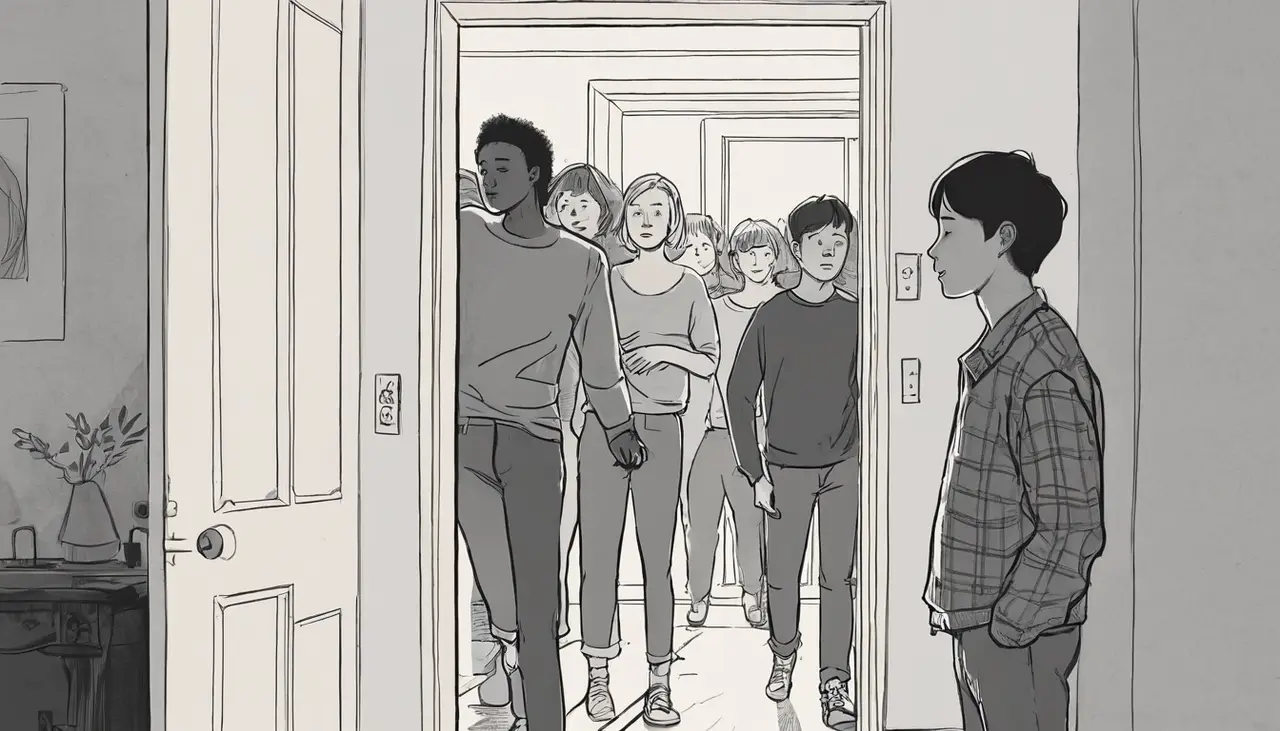
Alcohol can feel like confidence because speaking and acting may feel easier after drinking. You may talk sooner, edit yourself less, or stop rehearsing each sentence.
What feels like a broad change from the inside can look much narrower from across the room. That gap matters, especially if alcohol has become the price of entering a social situation.
What one lab study actually saw
In a laboratory study of 156 adults drinking in same-gender friend groups, participants described broad differences between their typical sober and drunk personalities across all five personality factors the researchers measured. Trained observers saw a smaller change. Across the study's measures, the consistent observer-rated shift was greater extraversion.
The detail inside that finding is more useful than the label. Observers saw more gregariousness, assertiveness, and activity. They did not reliably see more warmth or positive emotion. In other words, alcohol may make someone take up more social space without making the exchange kinder, closer, or more enjoyable for everyone else.
The study does not tell you how you personally behave after drinking. It was one controlled setting, not a camera on your life. It does show why “I felt more confident” and “other people experienced me as better company” are different claims.
Lower inhibition is not the same as stable confidence
Stable confidence includes the ability to read a room, recover from an awkward moment, and stay present when an interaction does not go perfectly. Alcohol may make the first move easier while weakening the information you use to judge the next one.
That can be pleasant at first. You stop rewriting the opening line in your head and join the conversation. The trouble starts when the drink becomes a requirement: glass first, participation second. Then the social setting never gets a fair sober test, and the belief that you cannot handle it without alcohol goes unchallenged.
This is also why “alcohol reveals the real me” is too simple. The lab study found a real shift in outward extraversion, but it did not find that every self-perceived personality change was obvious to observers. Feeling less guarded does not prove that the version on display is more authentic.
Memory can leave you reviewing an incomplete night
Confidence becomes especially hard to judge when memory is unreliable. A clinical review of alcohol-induced blackouts explains that a rapid rise in blood alcohol concentration can disrupt the hippocampus, a brain region involved in forming longer-term memories. A person can remain awake and interact while failing to store parts of what happens.
That creates a blind spot. You may remember the moment you felt witty or bold and have no record of repeating yourself, missing a cue, or pushing a conversation farther than the other person wanted. Someone else's account can feel unfair because your memory genuinely does not contain the same scene.
A blackout is not sleep, and it is not harmless confidence. If fuzzy or missing stretches of the night have become part of the pattern, treat that as a drinking concern in its own right.
The morning-after cost belongs in the calculation
Ask what the confidence costs after the event, not only what it buys during the first hour. Do you replay messages, need reassurance about what you said, avoid opening a group chat, or discover that the amount kept climbing after you already felt socially comfortable?
Watch for four patterns:
- The first drink has a job. It is what lets the evening begin, rather than one optional part of it.
- The amount keeps moving. The drink that made talking easier becomes more drinking than you planned.
- Other people report a different night. They mention volume, repetition, missed cues, arguments, or promises you do not remember.
- Sober versions disappear. You stop accepting invitations where drinking is unavailable, even when you want the connection.
Together, they tell you whether the shortcut is narrowing your choices.
Ask for one piece of outside data
Because the lab study found a gap between self-perception and observer reports, it can help to ask one trusted person about one recent event. Keep the question behavioral: “Was I interrupting?” “Did my volume change?” “Did I repeat myself?” “Did I seem more connected, or just more active?”
Do not ask for a verdict on your personality, and do not treat one person's recollection as a diagnosis. You are looking for details your own memory or in-the-moment confidence may have missed. If the answer makes you defensive, write down both the observation and your reaction before deciding what it means.
The reverse can be useful too. Ask what changed on a night when you drank less or waited longer. A specific answer—more present, quieter at first, easier to follow—is more informative than “better” or “worse.”
Run a two-event comparison
Before the next social event, name the job you want alcohol to do: “make me less tense,” “help me start a conversation,” or “stop me from overthinking.” Pick one small way to do part of that job before drinking—arrive with someone you trust, choose a shorter event, prepare one opening question, or give yourself a clear exit time.
Then compare two similar events, one with your usual pattern and one with less alcohol or a later first drink. Record what you noticed during the event and the next morning: how long it took to settle in, whether you connected with anyone, what you remember, whether you stayed near the amount you planned, and whether regret followed.
This is not a test of courage. It is a way to gather evidence about which part of the confidence is yours, which part depends on alcohol, and where the cost appears. If the idea of entering the situation without the usual amount feels impossible, bring that exact sentence to a licensed clinician or therapist. They can help sort a drinking pattern from anxiety—or the two together—without requiring you to diagnose yourself first.
This article cannot diagnose a drinking or anxiety condition; if heavy or daily drinking makes cutting back feel physically risky, speak with a licensed clinician before changing your intake.
- Understanding your drinking
When a Loved One Loses Their Job Because of Drinking
Job loss can feel like the wake-up call, but your role is narrower: check safety, refuse cover stories, and protect your own limits.
- Body & physical health
Is Alcohol a Depressant or a Stimulant? Why It Feels Like Both
Alcohol is a depressant — it slows the central nervous system — even though the first drinks can feel like energy. Why the early lift happens and fades.
- Body & physical health
Mixing Alcohol and Energy Drinks: Why 'Wide Awake Drunk' Is Riskier Than It Feels
Caffeine does not cancel out alcohol; it can make impairment harder to feel. Know the CDC risk pattern and when mixed drinks become a 911 issue.
- Quitting & sobriety
Why Can't I Sleep When I Stop Drinking?
Why sleep can feel worse after stopping or cutting back on alcohol, when it may point to withdrawal risk, and what to track next.
- Cutting back & moderation
Drinking and Saturday Mornings Feel Different When You Cut Back
A clear Saturday morning can feel strange rather than triumphant: what's missing is the structure, not the drink. Why the empty hours don't need a productivity plan.
- Body & physical health
Alcohol and Cortisol: How Drinking Winds Up the Stress System It Promised to Calm
Alcohol quiets stress in the moment and leaves the cortisol side running hotter later — that rebound is why a wind-down drink wakes you at 3 a.m.


Be the first to hear when Clero launches.
Join with email only. Clero is still in development, so this is educational content today — not treatment, a prescription request, or medical advice.
First to hear at launchLaunch news only — no spamUnsubscribe anytime