
Cutting Back on the Saturday Before Father's Day When You Already Feel It Coming
Why the Saturday before Father's Day can feel like its own cutback trigger, with a quiet planning frame and clinician-first safety routing.
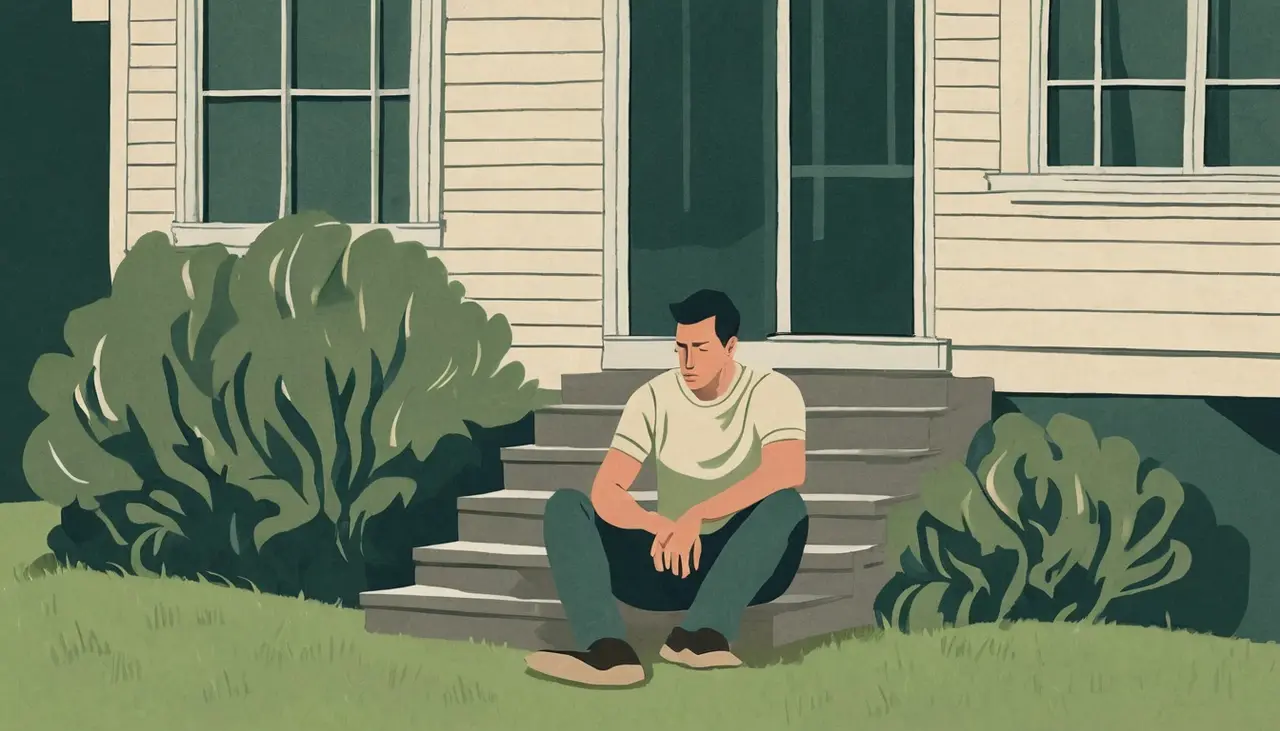
It's Saturday, mid-afternoon, and tomorrow hasn't started yet. But your body seems to think it has. The cooler, the brunch table, the toast someone will raise to their dad, the text you owe your own — none of it is happening, and all of it is already in the room with you. And there, right on cue, is the thought: pour one now, take the edge off the day before the day.
Here's the reframe that changes everything about that thought. You're feeling the weekend early because you finally noticed the hour alcohol used to quietly cover — that pull is the cutback doing its job, not sabotaging it. So this page hands you one thing: a way to give Saturday evening a shape, so it holds you instead of spilling into tomorrow.
The pull is anticipation, not failure
Nobody sits down on the Saturday before Father's Day thinking, "I'd like to ruin tomorrow." The thought is softer than that — more like, "I'd like tomorrow to arrive already blunted." That's anticipation, and it's one of the most ordinary things a nervous system does. You're not rehearsing a relapse. You're rehearsing a hard day, and the drink is just the fastest tool your brain has filed under "make the waiting stop."
Naming it that way matters, because the alternative — "I should just be normal about this" — is a useless instruction. Nobody knows how to be normal about a day that carries celebration, grief, estrangement, relief, and plain awkwardness all at once. What you can do is build the evening a container. Not a perfect plan — a container: something with walls, so the hours have an inside and an outside instead of being one long open stretch pointed at the fridge.
Why an empty evening pulls hardest
An urge tends to behave like weather — it builds, peaks, and passes, usually inside a stretch of minutes rather than hours, as long as nothing keeps feeding it. An empty Saturday evening feeds it. When there's nothing between you and tomorrow, your mind fills the gap with tomorrow, and tomorrow is exactly the thing you're bracing against.
The "fortify now" move — drink tonight so Sunday feels less sharp — also tends to backfire on the one resource a hard family day runs on: sleep. A drink can speed you into sleep faster, but it fragments the back half of the night. Peer-reviewed sleep research describes lighter, more broken sleep in the second half of the night after drinking, so overall quality drops even when the total hours look the same. Which means the drink meant to make Sunday easier is the same drink that can leave you meeting the brunch table underslept and thin-skinned.
The container works by refusing the gap. Give the evening walls, and the urge has less empty air to grow in.
Build the Saturday Container
Four walls. You don't need all four — you need enough of a shape that the evening stops being a countdown.
Name which role is loudest tonight
Father's Day rarely asks one thing of you. You might be someone's kid and someone's parent. Missing your dad while trying to be present for your own. A partner watching someone else get celebrated. The person who usually keeps the whole event moving. Those roles want different things, and the drink often shows up to smooth the overlap. So say it plainly, out loud or on paper: which role is loudest tonight, and which one needs the most protection tomorrow? Do it now: write one sentence — "Tonight I'm mostly the grieving kid; tomorrow I need to be a steady parent." That single line is the first wall.
Give the evening one thing with a body
An urge grows in blank space, so hand the evening something that takes up room. Not productivity — presence. A dinner you actually cook. A walk. A movie with a runtime. A chore that closes, so there's a visible "done." A call to the one person who won't make it heavier. The point isn't to earn anything. It's that the evening becomes something instead of the absence of a drink. Do it now: pick the one thing and start it in the next ten minutes, before the pull argues you out of it.
Pre-write your Sunday line
Half the Saturday dread is rehearsing the first drink offer at brunch. So retire that rehearsal by deciding the line now. "I'm good with this for now." "I'm pacing today." "I'm driving later." "Keeping it low-key." None of these owes anyone the whole story of your cutback. A line you've already chosen is a line you don't have to invent while a relative is watching your hands. Do it now: say your line out loud once. Hearing it makes it usable tomorrow.
Plan the landing, not just the entrance
Most attention goes to the first drink offer. The hour that actually decides the day is often the one after the cookout, visit, or call is over — the drive home, the quiet kitchen, the letdown. Decide now what that hour holds: somewhere to go, someone to text, a small closing ritual. Do it now: name the post-event hour and give it one plan, so Sunday's back end isn't left improvising.
When one rough Saturday isn't a verdict
Some Saturdays you'll build the whole container and pour the drink anyway. That's one evening, not a referendum on whether the cutback is real. The habit you're working against was worn in over a long time, and it doesn't undo itself because a hard weekend was hard. If you already drank tonight, the move is the same one you'd make sober: treat it as information. Notice what fired the urge — which role, which memory, which empty hour — and carry that into the next attempt. Paying attention is the part that moves the needle, and you were still doing it.
And if the honest truth is that the "just for tonight" drink hasn't been just for tonight in a while — if urges are running your evenings more than you're running them — a structured self-help program can give the coping itself a shape. SMART Recovery, a free, secular mutual-help program, is built around a four-point plan whose second point is coping with urges and cravings directly. It's a container for the pattern, the way tonight's plan is a container for the hour.
When the day is bigger than a plan
A shape for Saturday evening is a coping tool, not a substitute for care — and some situations sit above what any evening plan can hold.
If you drink daily and heavily, the riskiest move is a sudden solo stop. MedlinePlus describes alcohol withdrawal as symptoms that can start when someone who has been drinking heavily on a regular basis suddenly quits — tremor or shakiness, sweating, a racing heart — and it flags seizures, fever, severe confusion, or hallucinations as reasons for emergency care. If those appear, this is a 911 or emergency-room moment, not a Saturday-night decision. Planning a taper belongs with a licensed clinician who knows your history.
If Father's Day sits on top of grief, estrangement, or trauma and the evening tips from hard into feeling unsafe with yourself, you don't have to hold that alone tonight. The 988 Suicide and Crisis Lifeline is free and confidential, by call, text, or chat, around the clock. And if you'd rather have a person help you think through the drinking itself, SAMHSA's National Helpline at 1-800-662-HELP gives free, confidential referrals any hour.
Back to Saturday afternoon
The room still has tomorrow in it — the cooler, the toast, the text you owe. You can't delete the day, and you don't have to be a different person by Sunday morning. You only have to give this one evening walls. Pick one role to name, one thing with a body, one line for tomorrow, and a plan for the landing. If the urge to pour gets loud while you build, how to handle alcohol cravings and urges is the toolkit for riding that wave. For related reading, see drinking on Father's Day when you are cutting back, drinking on Father's Day when your dad is no longer here, and the Sunday night anxiety spike when you are cutting back this summer. Build the container once tonight, and let Sunday find you rested enough to meet it.
This is general education, not medical advice, and it won't decide your Sunday for you. If your drinking is daily and heavy, plan any sudden stop with a licensed clinician — and if reducing has ever brought on shaking, confusion, or a seizure, treat that as an emergency and call 911.
- Social events & holidays
How to Handle a Baseball Game or Stadium Event While Cutting Back
At a ballgame, set your number before the first pitch and count the 24-ounce souvenir cup as two drinks, not one. A plan that runs on the game's own rhythm.
- Social events & holidays
How to Handle a Concert or Music Festival When You're Cutting Back
At a concert or festival, the drinking happens in the gaps: set changes and bar lines, not the music. Plan the set breaks and the day stays yours.
- Social events & holidays
How to Handle Halloween When You're Cutting Back on Drinking
Halloween gets easier when you decide the cup, the shot answer, and the exit before the night starts moving.
- Social events & holidays
How to Handle Pride Events When You're Cutting Back on Drinking
A practical Pride Month pacing guide for brunches, parades, block parties, clubs, and house gatherings when you want the day to include less alcohol.
- Social events & holidays
How to Handle Thanksgiving When You're Cutting Back on Drinking
Thanksgiving is an all-day drinking cue: plan the timeline, family lines, and first sober holiday pressure before the table fills.
- Social events & holidays
Cutting Back When Summer Cocktail Menus Keep Getting More Tempting
How to think through seasonal cocktail-menu pressure while cutting back, without drink rules, brand advice, or shame.


Be the first to hear when Clero launches.
Join with email only. Clero is still in development, so this is educational content today — not treatment, a prescription request, or medical advice.
First to hear at launchLaunch news only — no spamUnsubscribe anytime