
Drinking and Hot Weather or Summer Heat
Alcohol hits harder in summer heat because heat and drinking pull on the same fluid and blood-flow systems. What people notice on hot days, and when to call 911.
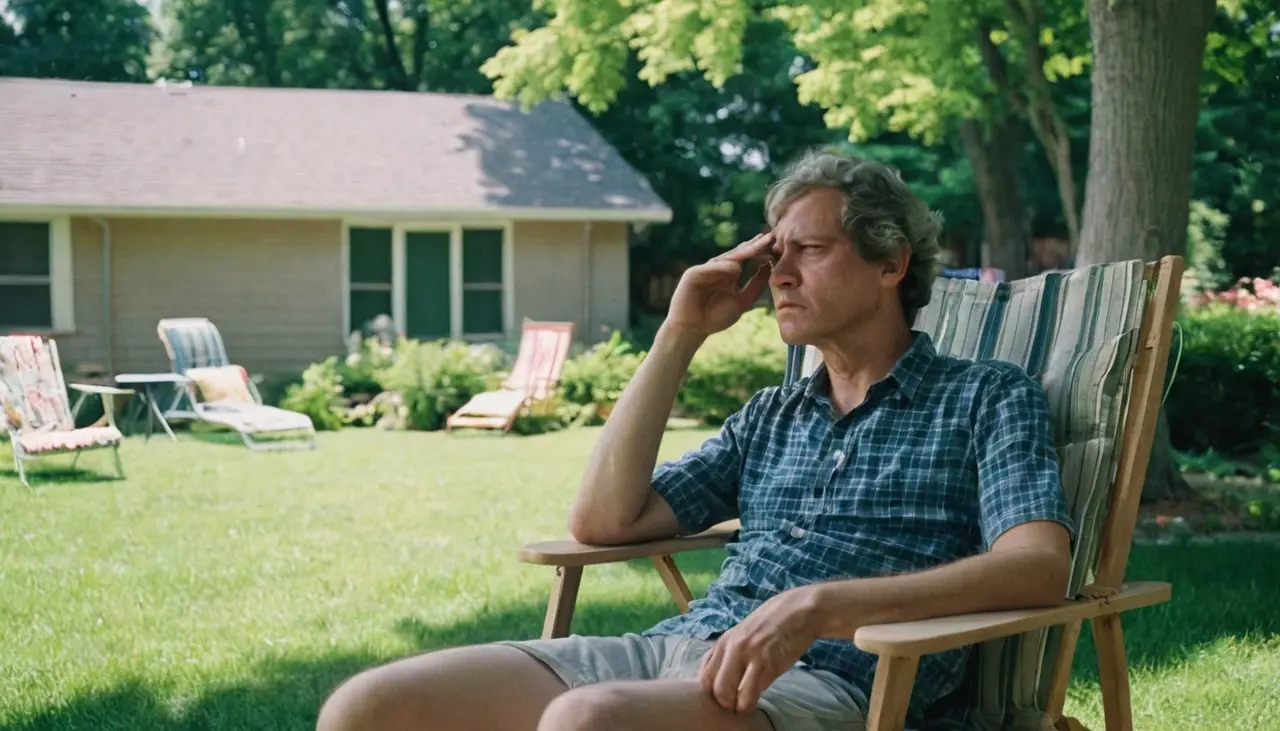
The same three beers that barely register at an indoor dinner can leave you flattened at a backyard cookout in July. Nothing about the beer changed. What changed is that heat leans on the same handful of body systems alcohol already tugs on — fluid balance, blood flow, sweat, sleep, and the body's ability to shed warmth — so the two effects stack. The useful question on a hot day is not "is drinking in the heat bad," but "why does a normal amount feel like more, and where does that stop being an annoyance and start being an emergency?"
Why heat and alcohol pull on the same wiring
Start with water. Your kidneys decide how much fluid to keep versus flush based on a chemical messenger — antidiuretic hormone, the signal that tells the kidneys to hold on to water. NIAAA's overview of alcohol and the body describes how alcohol turns that signal down. With the "hold on to water" message quieted, the kidneys let more go, so you make more urine than the volume of the drink alone would explain. On a hot day you are already losing fluid through sweat. Now you are losing it through the bathroom too, and the two run at the same time.
Blood flow is the second overlap. The same NIAAA overview describes how alcohol affects circulation — it widens blood vessels near the skin, which is part of the flushed, warm feeling a drink gives you. That is worth knowing in both directions, because the warm feeling after drinking is heat moving out of your core rather than warmth going in. Heat pushes the body to do a version of the same thing on purpose, sending blood toward the skin to dump warmth. Load one on top of the other and the systems the body normally uses to cool itself are already working near their limit.
None of this makes a drink chemically stronger. It changes the terrain the drink lands on. A body that is already down on fluid, already flushing blood to the surface, already a little sleep-short from a hot night, has less slack to absorb the alcohol — so the same count hits harder.
What people actually notice on a hot day
The reports are consistent enough to name, even though the mechanism behind each varies from person to person.
It comes on faster. The drink does not have to be bigger to feel bigger when you are hot, under-fed, sitting in direct sun, and moving less than you'd guess. Warm-weather drinks also tend to be easy to drink fast — cold, light, in a can, refilled from a cooler over a long afternoon.
The headache arrives early. Someone braced for a next-morning headache instead feels it by dinner. Fluid loss from two directions at once is a plausible reason a hot-day session front-loads that ache.
Recovery drags into a second day. "I drank what I always drink, but I felt hung over for two days" is a common summer line. Heat, thin sleep, extra urine output, and a drinking window that ran from early afternoon into the night all make one session harder to bounce back from. The sleep piece carries more of that than people expect — what a hot night does to your sleep after drinking takes the 3am wake-up and the night sweats on their own.
The safety signals blur. This is the one that matters most. Early heat illness can look a lot like being drunk — confusion, unsteadiness, nausea, headache, acting unlike yourself. When both are in play, it is genuinely hard to tell which you're looking at, which is exactly why the severe version is not something to wait out.
For related body signals, see drinking and needing to pee or frequent urination, drinking and sweating the day after, and alcohol and headaches the day after.
On "how much" — the honest version
There is no drink count that is safe for everyone in the heat, and none that tips everyone into trouble. Risk climbs with how much you drink and how long the window runs — a slow two drinks across a shaded afternoon is a different physiological situation than eight fast ones in full sun — and it climbs differently for different people. Body size, how much you've eaten, how well you slept, whether you take medications that affect fluid or blood pressure, how much you've already sweated, and how used to the heat you are all move the line.
That is why the definitional numbers are worth knowing but easy to misread. A U.S. standard drink is 0.6 fluid ounces, or 14 grams, of pure alcohol — a shared unit for counting, not a dose the heat makes safe. If you're counting, count standard drinks, not cans or cups or "it was just a light one outside." NIAAA describes binge drinking as the pattern that pushes blood alcohol to about 0.08% — often 5 or more drinks for men, or 4 or more for women, in roughly two hours. The CDC's moderate-drinking definition — 2 drinks or fewer in a day for men, 1 or fewer for women — is a ceiling for moderate intake, not a promise that hitting it is fine on a 95-degree afternoon. All of these describe patterns. None of them are a heat-proof number.
This is not a niche question, for what it's worth. NIAAA's national figures for 2024 put past-year drinking at about 178.7 million people ages 12 and older — 62.0% of that age group. A lot of that drinking happens outdoors in summer.
What actually helps when it's hot
None of these are cures or guarantees. They are low-stakes habits that change the terrain, and you can try them without buying a product or downloading a plan.
- Get out of the direct sun and eat first. A shaded seat and a real meal before the afternoon gets going give a hot-day session a steadier base than drinking in full sun on an empty stomach.
- Pace and space it. Heat makes a long outdoor afternoon easy to drink through quickly. Setting the drink down between rounds and stashing a non-alcoholic option in the same cooler slows the pace without turning it into a willpower fight.
- Decide a start and a stop before you go. A backyard afternoon that runs 2pm to 9pm is not one dinner. Naming when you begin and when you switch off keeps a long window from quietly stretching.
- Sip water across the afternoon. Water does not cancel alcohol, but steady sips over a hot day can keep the next morning from feeling worse. Think general pacing, not a rigid water-per-drink rule.
- Keep some hot days fully alcohol-free. If headaches or two-day recoveries keep recurring, a lighter week makes the heat signal easier to read: if your headache, 3am wake-up, or next-day fatigue drops on the dry hot nights and comes back on the drinking ones, that's real information about your own pattern.
For the moments the urge to pour comes back, how to handle alcohol cravings and urges is the fuller toolkit. For planning specific events, see how to handle the beach or pool day when you're cutting back, how to socialize without drinking at summer events, and drinking on vacation when you're trying to cut back.
The line where this stops being a hangover question
Two kinds of severe symptom should never be filed under "just alcohol."
Call 911 or go to the nearest emergency department for the signs of serious heat illness:
- confusion
- fainting
- very hot dry skin
- no sweating despite the heat
- a body temperature above 103°F
- a racing heart
- a severe headache
- repeated vomiting
Because early heat illness mimics being drunk, the safe move when someone seems "too drunk" in the heat is to treat it as a medical problem, not to walk it off.
Get the same urgent help if a drinking-day picture includes shaking, tremor, a racing heart, agitation, confusion, hallucination, or a seizure. Those can be signs of alcohol withdrawal, not a hangover or a hydration slip — and a withdrawal seizure is an emergency, not something to sleep off. If you drink heavily every day, that is also the reason not to stop cold on your own; a clinician can help you plan a safe way down.
This is general education about alcohol and heat, not medical advice, a diagnosis, or a hydration protocol — severe heat or withdrawal symptoms need emergency care (911), and questions about your own drinking belong with a licensed clinician who knows your history, or with SAMHSA's free, confidential National Helpline at 1-800-662-HELP.
- Understanding your drinking
When a Loved One Shows Up Drunk at Your Door
You do not have to open the door just because the crisis is real. Check for danger, keep contact brief, and call 911 when safety is at risk.
- Body & physical health
Drinking and Perimenopause or Hot Flashes
Alcohol widens the same blood vessels a hot flash uses, so wine at dinner can turn perimenopause symptoms up. Why 3am is the worst hour, and when to see a clinician.
- Body & physical health
Drinking and Your Period or Menstrual Cycle
Alcohol can make PMS, cramps, and pre-period cravings louder — it touches the same hormone, sleep, and inflammation systems your cycle runs on. What to track.
- Body & physical health
Does Alcohol Affect Men and Women Differently? Yes — Here's Why
Yes, women often reach a higher blood alcohol level from the same drink count. See why body composition matters and comparisons with a partner can mislead.
- Understanding your drinking
When a Loved One Loses Their Job Because of Drinking
Job loss can feel like the wake-up call, but your role is narrower: check safety, refuse cover stories, and protect your own limits.
- Cutting back & moderation
Drinking and Money: How Cutting Back Changes Your Budget
Your bank statement, not a national average, shows what cutting back does to your budget. Where the big alcohol dollars sit: the heaviest nights, not routine ones.


Be the first to hear when Clero launches.
Join with email only. Clero is still in development, so this is educational content today — not treatment, a prescription request, or medical advice.
First to hear at launchLaunch news only — no spamUnsubscribe anytime