
Drinking and Your Eyes or Vision
Drinking can leave your eyes drier, redder, and slower to focus for a while — most of it fades as you recover. Which symptoms are urgent no matter the cause.
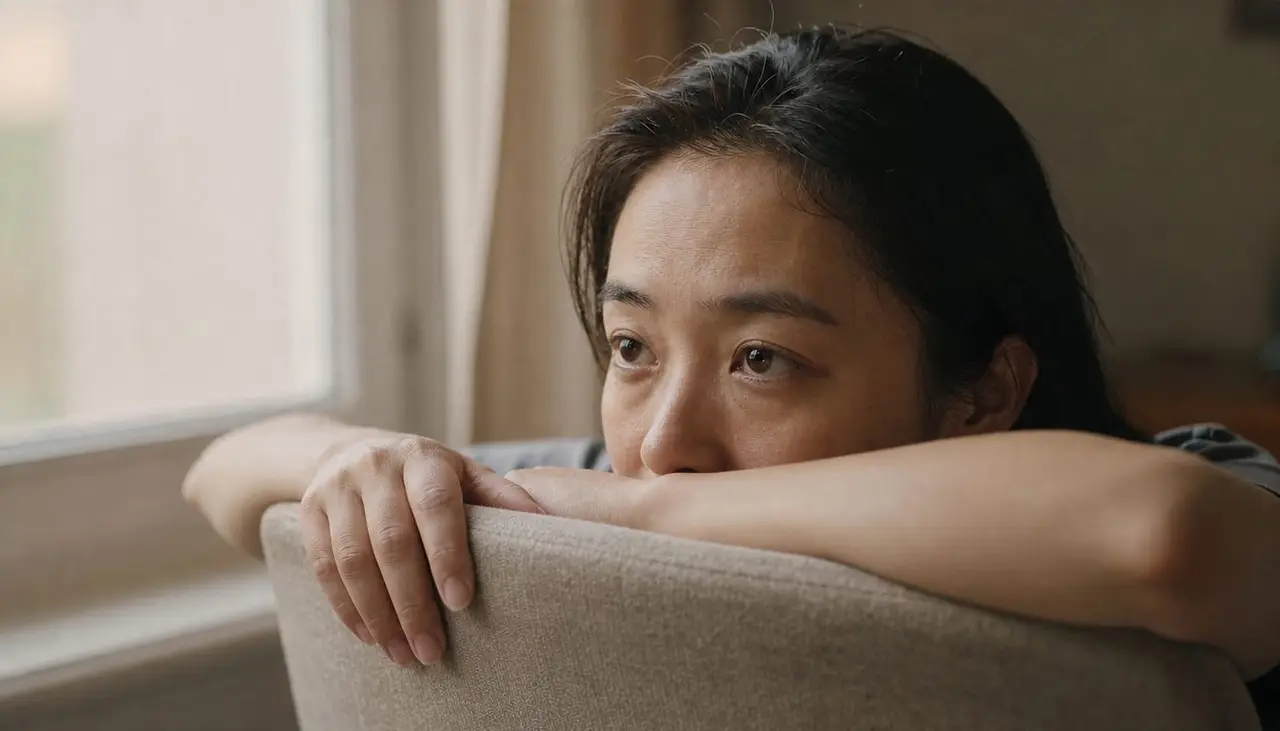
Most of what people notice after a night of drinking — pink, tired eyes, a gritty ache under the lids, a morning where the far wall won't quite snap into focus — is the eye version of a hangover. It usually eases as the rest of you recovers. The reason to write any of it down is not that a bloodshot morning is dangerous, but that a small number of eye symptoms are urgent no matter what caused them, and telling the two apart is the whole job of this page.
So start with the honest short answer: a drinking night can genuinely make your eyes drier, redder, and slower to focus for a while, and heavy drinking over years can reach the eye in more serious ways. But a symptom that showed up the morning after a few drinks is a pattern to notice, not a diagnosis to make at your kitchen sink.
How alcohol reaches the eye at all
The eye isn't sealed off from the body. It shares the same blood supply, the same water balance, and the same overnight repair cycle as everything else, so most of alcohol's short-term eye effects are just those systems running low.
Alcohol pulls water out of you and widens small blood vessels — that combination is behind the two most common morning-after signs. Widened vessels on the white of the eye read as redness; a body short on fluid makes less of the tear film that keeps the surface comfortable, which is where the dry, sandpapery feeling comes from. Poor or broken sleep piles on, because tired eyes are drier and redder eyes, drink or no drink. And alcohol briefly slows the eye's focusing and tracking, part of the same slowed reaction time that makes it unsafe to drive — which is why print can go soft or a light can smear for a while.
One more effect belongs here because it can quietly mislead. Alcohol temporarily lowers the pressure inside the eye. The American Academy of Ophthalmology notes this plainly enough that it tells people to say if they've had a drink before an eye-pressure check, because a recent drink can nudge that reading and throw off the result. That is a footnote for anyone being watched for glaucoma, not a benefit to chase.
What the evidence actually shows — and where it stops
For everyday dryness, the link is real but modest. Pooling ten studies that covered more than 2.4 million people, one meta-analysis found alcohol raised the odds of dry-eye syndrome by about 15 percent — an odds ratio of 1.15. Fifteen percent is a nudge, not a switch, and it helps explain why some people's eyes feel worse after drinking nights while others notice nothing. It does not mean a drink "gives" you dry eye.
The heavier, longer end of the range is a different story. Sustained heavy drinking can reach the optic nerve — the cable that carries the picture from eye to brain — not by poisoning it directly so much as by starving it. Years of heavy drinking commonly leave the body short on B vitamins (B1, B12, and folate), and that shortage is what injures the nerve. The MSD Manual describes this nutritional-and-toxic optic neuropathy as a gradual, painless dimming of central vision over days to weeks, usually in both eyes, and lists alcohol use disorder among its causes. It is uncommon, and it is a world apart from a bloodshot Sunday.
There are hints further out, too. Reviewing several studies, the American Academy of Ophthalmology reported that moderate-to-heavy drinking was linked to more early age-related macular degeneration — the wearing of the central retina that blurs the middle of your sight later in life — compared with people who drank little or not at all. "Linked to" is carrying real weight in that sentence: these are associations from population studies, not proof that alcohol is the cause, and the eye's other big risk factors haven't gone anywhere.
That is the honest shape of it. Alcohol sits in the same physiology as a long list of eye symptoms, but contact lenses, screen hours, dry indoor air, allergies, diabetes, medications, past eye surgery, and ordinary aging can each produce the very same feeling. A drinking pattern is one thread to hand your eye-care clinician, not the answer by itself.
How much, and for how long
There's no single number of drinks that switches eye harm on. The pattern is the ordinary one for alcohol: risk climbs with how much you drink and how many years you keep it up, and it lands differently on different people. The transient dryness and redness track a single heavy night; the optic-nerve and retinal concerns belong to sustained heavy drinking over a long stretch. Where any one person falls depends on sex, genetics, diet and B-vitamin stores, sleep, other health conditions, and medications — which is why two people can drink the same and see the morning differently.
Two definitions help you describe a pattern honestly, and they are only that — descriptions, not danger lines. NIAAA counts a U.S. standard drink as 0.6 fluid ounces, or 14 grams, of pure alcohol, and binge drinking as the pattern that pushes blood alcohol to about 0.08 percent — roughly 5 or more drinks for men, or 4 or more for women, in about two hours. If you're lining your drinking nights up against your eye symptoms, counting in real drinks beats a vague "a few."
What you can try, and what stays with a clinician
None of these fix an eye condition. They're low-stakes habits for ordinary morning-after redness or dryness, and the real point is to give yourself a cleaner read on whether the eye stuff is following the drinking at all.
- Match drinks with water and eat a real meal. Dryness and grit are worse when you drink dehydrated on an empty stomach, so pace with water and don't skip food. It won't undo a heavy night, but it takes the edge off the driest mornings.
- Protect the night's sleep. Red, tired, dry eyes track a short or broken night almost as closely as they track alcohol. A steady wind-down and a consistent wake time give the next morning a fairer start.
- Go easy on screens the morning after. Dry indoor air plus a screen you're locked onto is its own irritant. Look away regularly and blink on purpose; it's comfort, not treatment.
- Keep some fully alcohol-free nights. Clean nights in the week are the only way to see whether the redness and blur actually shadow the drinking — the natural experiment you can't run if every night looks the same.
If the pull to pour is the harder part, how to handle alcohol cravings and urges is the fuller toolkit. And this is common ground, not a niche worry: NIAAA estimates about 178.7 million people ages 12 and older, roughly 62 percent, drank in the past year, so raising it at an eye exam is unremarkable.
For related body-signal reading, see alcohol and facial flushing or redness, alcohol and headaches the day after, why you feel clumsy the day after drinking, and drinking and your blood sugar.
The symptoms that don't wait
A morning redness or dryness that keeps repeating is worth mentioning at your next eye exam. A handful of other symptoms are not next-exam problems — they need same-day care or an emergency room, whether or not you'd been drinking:
- sudden loss of vision, or loss in one eye
- a curtain, shadow, or dark patch spreading across your sight
- a burst of new flashes or floaters
- vision change with a severe headache, or with numbness or weakness anywhere
- any vision change after a blow to the head
- severe eye pain, or a red eye that genuinely hurts
- new double vision
If you can't tell how serious an eye symptom is, treat it as the urgent kind and call your eye-care clinician or 911. Bring the rest — repeating redness, dryness that fights your contacts, blur that follows drinking nights, anything that started after an eye procedure — to an optometrist or ophthalmologist, along with a short log of your drinking days, symptoms, contact-lens schedule, medications, screen time, and sleep. That log is the single most useful thing you can walk in with.
A few honest answers
Can alcohol cause bloodshot eyes?
Yes, for a while — widened blood vessels and less tear fluid are a normal short-term effect. Redness that keeps coming back, hurts, or arrives with any change in vision is worth an eye-care look rather than a wait.
Is blurry vision after drinking dangerous?
Usually the soft, both-eyes blur of a hungover morning clears as you recover. What isn't safe to wait on is blur that is sudden, one-sided, painful, severe, or paired with a headache, numbness, or weakness — that's the urgent list above.
Will cutting back fix my eyes?
It might make dry, red, tired eyes feel better on the mornings that used to follow drinking, and that's genuinely useful information. But it isn't proof alcohol was the only cause, and it won't treat an underlying eye condition — which is exactly why a clinician stays in the picture.
This page is general education, not a diagnosis or an eye-care plan. If you're cutting back after heavy daily drinking, do it with a clinician's help, since stopping abruptly can be dangerous — and if a stretch without alcohol has ever brought on shaking, confusion, or a seizure, treat that as an emergency and call 911. For free, confidential, 24/7 help finding care, the SAMHSA National Helpline is 1-800-662-HELP; if you ever feel unsafe with yourself, call or text 988.
- Mind & mood
Alcohol and Anger Outbursts
Alcohol lowers restraint, which can make anger outbursts easier to act on — and the next-day rebound explains why the morning after feels so raw.
- Helping someone who drinks
When a Loved One Is Upset You Are Going to Al-Anon
Al-Anon can be support for you, not an accusation against them. Explain once, keep meeting details private, and do not ask for permission.
- Medication & treatment
What to Say to a Loved One in Alcohol Rehab
Send a kind, specific message with only the help you can offer. Ask about rehab contact rules, leave room for silence, and keep your own limits.
- Body & physical health
Does Alcohol Cause Memory Loss? Short-Term, Long-Term, and What Can Recover
Alcohol can cause blackouts, next-day fog, and long-term memory changes. The pattern tells you when to cut back, track it, or seek medical care.
- Social events & holidays
Drinking at a Wake or Funeral When You're Cutting Back
You can decline the drink and still be there for the goodbye. How to handle the glass at the door, the toast, and the late-night kitchen while cutting back.
- Hangovers & the day after
Why Do My Feet and Ankles Swell After Drinking?
Puffy feet or ankles after drinking usually trace to fluid shifts, salt, and stillness overnight. What helps it settle — and when swelling needs a check.


Be the first to hear when Clero launches.
Join with email only. Clero is still in development, so this is educational content today — not treatment, a prescription request, or medical advice.
First to hear at launchLaunch news only — no spamUnsubscribe anytime