
Drinking and Your Memory the Next Day
How alcohol can affect memory formation, why the next day can feel foggy, and when repeated memory gaps should be treated as a safety signal.
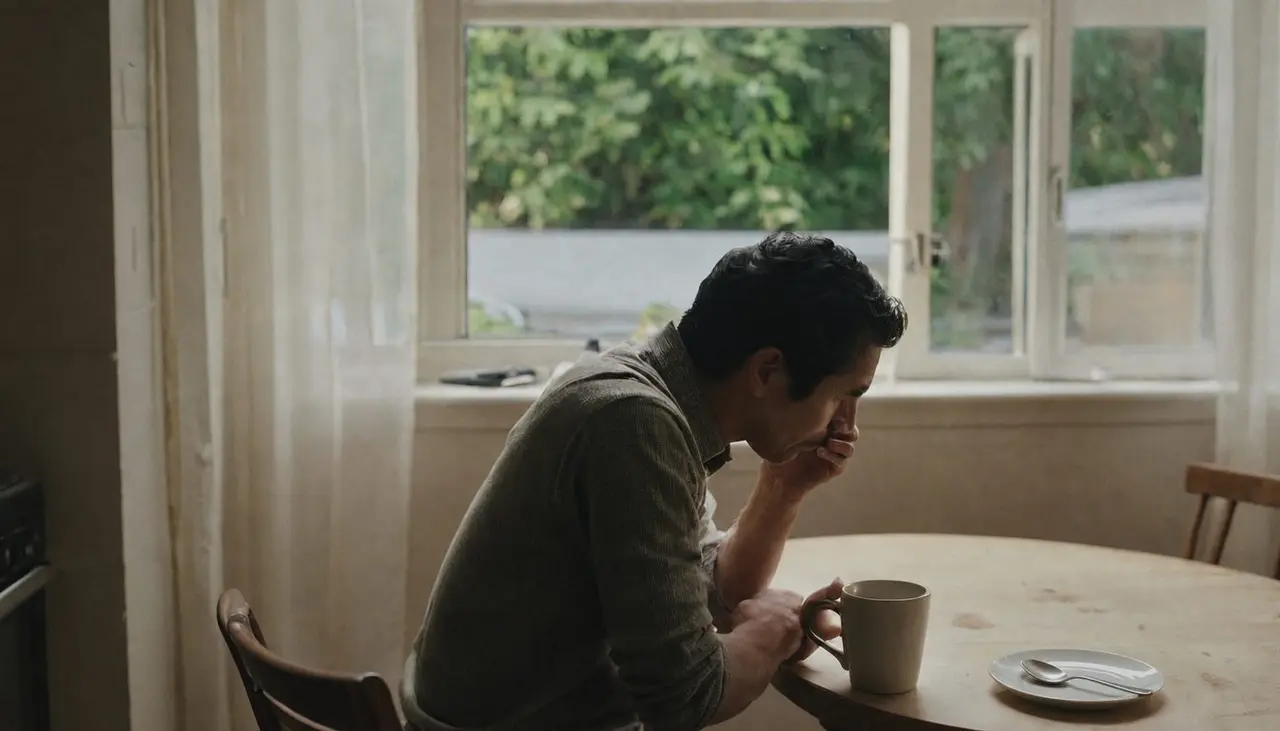
Alcohol can affect memory in two different ways. A blackout is missing time because alcohol disrupted memory formation while you were drinking. A foggy next day is different: you may remember the night but struggle to retrieve details because sleep, attention, and the hangover state are working against you. Either way, repeated memory gaps are useful data, not something to shame yourself out of noticing.
Blackout versus foggy recall
A blackout is not the same as passing out. You can be awake, talking, walking, and texting, while your brain is not storing the night normally. Peer-reviewed literature describes alcohol-induced blackouts as amnesia from disrupted hippocampal transfer of short-term to long-term memory, with fragmentary and en bloc patterns.
In everyday terms, fragmentary gaps are the "I remember pieces if someone prompts me" version. En bloc gaps are the "that whole stretch is gone" version. Neither tells you exactly what happened. They tell you the memory system was not recording properly.
The next-day fog is a different problem. You may have no true missing time, but still feel slow, patchy, and unsure. NIAAA states that hangovers can impair attention, decision-making, and muscle coordination. Attention is part of memory. If your attention is dulled the next morning, recall can feel unreliable even when the night was technically stored. The coordination half of that same sentence has its own morning-after story: why you feel clumsy and off balance the day after drinking.
Why sleep makes the morning feel worse
Alcohol can make the first part of sleep feel easy and the second part lighter. Peer-reviewed sleep literature describes alcohol as speeding sleep onset but worsening later-night sleep fragmentation and wakefulness. That broken sleep can leave you with a morning that feels less like waking up and more like rebooting.
That matters because people often judge memory by how sharp they feel the next day. If you slept badly, woke anxious, and are trying to reconstruct a late night through texts and fragments, the whole night can feel suspect. Some of that is the alcohol's direct effect on memory formation. Some is the hangover's effect on attention. Some is the stress of not trusting yourself.
The adjacent question is whether this is the same as a blackout. A good dividing line is timing. If the missing material is from while you were drinking, especially late in the night, blackout or fragmentary blackout belongs on the list. If the night is mostly intact but the next morning feels dull and scattered, hangover and sleep effects may be doing more of the work.
What to track before you rewrite the whole story
Start with the plain facts you have, not the verdict you fear. How much did you drink, if you know? How fast? Did you eat? Did someone else need to fill in a blank? Did you lose objects, send texts you do not remember, get home without a clear memory of how, or wake with an injury?
Keep the language neutral. "I have no memory after the toast" is more useful than "I ruined everything." "I remember the night, but the next morning felt foggy" is more useful than "my brain is broken." Specific language helps you separate risk from shame.
The CDC lists memory problems among social and wellness issues associated with long-term alcohol use. That does not mean one night causes dementia, but it is a reason not to ignore repeated alcohol-related memory concerns, especially if they are starting to affect relationships, work, school, caregiving, or safety.
When memory gaps are a safety signal
Treat memory gaps as more urgent when they include lost time in public, possible injury, possible assault, driving risk, missing belongings, waking somewhere unexpected, or someone else describing behavior you cannot remember. This page cannot reconstruct events or give legal advice. It can say that "I do not know what happened" is a valid reason to get help from a trusted person, clinician, emergency service, or local support resource depending on the situation.
Repeated blackouts are also a drinking-pattern signal. You do not have to label yourself to take them seriously. If your drinking sometimes jumps from "I am fine" to "I do not remember," the useful next step is not to find a magic safe number. It is to change the conditions around speed, amount, food, setting, or whether drinking is the right choice in that setting at all.
If a dry stretch after heavy regular drinking brings confusion, hallucinations, shaking, seizure, or severe disorientation, that is not a memory-tracking issue. That is emergency care — call 911 or go to an emergency room.
Common questions
Did I have a blackout if I remember some parts?
Possibly. Fragmentary blackouts can leave pieces behind, especially when someone gives you cues. Patchy recall does not make the gap harmless.
Does next-day fog mean I damaged my brain?
Not from one foggy morning by itself. Hangover impairment and broken sleep can make recall feel worse the next day. Repeated or worsening memory problems are a reason to talk with a clinician.
Should I ask other people what happened?
If you are worried about safety, injury, consent, driving, or where you were, getting reliable information matters. If you are only using other people to punish yourself with embarrassment, pause and write down the factual gaps first.
For nearby reading, see what is a blackout from drinking, drinking and your resting heart rate or wearable data, and alcohol and shame after drinking. If the fuzzy stretches tend to come from long gaming nights where the drink count got away from you, drinking and gaming covers how the session itself hides the count.
This article is general education, not a diagnosis, legal advice, or event reconstruction; memory gaps involving injury, danger, assault concern, or severe confusion deserve immediate human support.
- Mind & mood
Alcohol and Anger Outbursts
Alcohol lowers restraint, which can make anger outbursts easier to act on — and the next-day rebound explains why the morning after feels so raw.
- Quitting & sobriety
How do I stop drinking?
Stopping drinking starts with safety, not willpower. If you drink heavily every day or have had withdrawal symptoms, ask a clinician what level of care is safest before you stop suddenly. If you are medically stable, the next step is to choose support that matches your goal, privacy needs, and risk level: therapy, peer support, medication education, primary care, telehealth, outpatient treatment, or a higher level of care.
- Quitting & sobriety
Why Alcohol Withdrawal Can Get Worse Each Time
A safety-first explanation of alcohol withdrawal kindling, repeated quit-restart cycles, and when withdrawal symptoms need medical help.
- Quitting & sobriety
Why Can't I Sleep When I Stop Drinking?
Why sleep can feel worse after stopping or cutting back on alcohol, when it may point to withdrawal risk, and what to track next.
- Body & physical health
Alcohol and Sleep Apnea
Alcohol can worsen sleep apnea by relaxing throat muscles and breaking up sleep. How to read snoring, gasping, and next-day sleepiness.
- Mind & mood
Drinking and Your Mood the Day After: Why You're Snapping at People
Why the day after drinking can bring irritability, a short fuse, and snapping at people, plus when mood or safety changes need urgent support.


Be the first to hear when Clero launches.
Join with email only. Clero is still in development, so this is educational content today — not treatment, a prescription request, or medical advice.
First to hear at launchLaunch news only — no spamUnsubscribe anytime