
Why Am I So Hungry the Day After Drinking?
Ravenous the day after drinking? Alcohol drops blood sugar, disturbs hunger hormones, and cuts deep sleep — a real biological push to eat, not weak willpower.
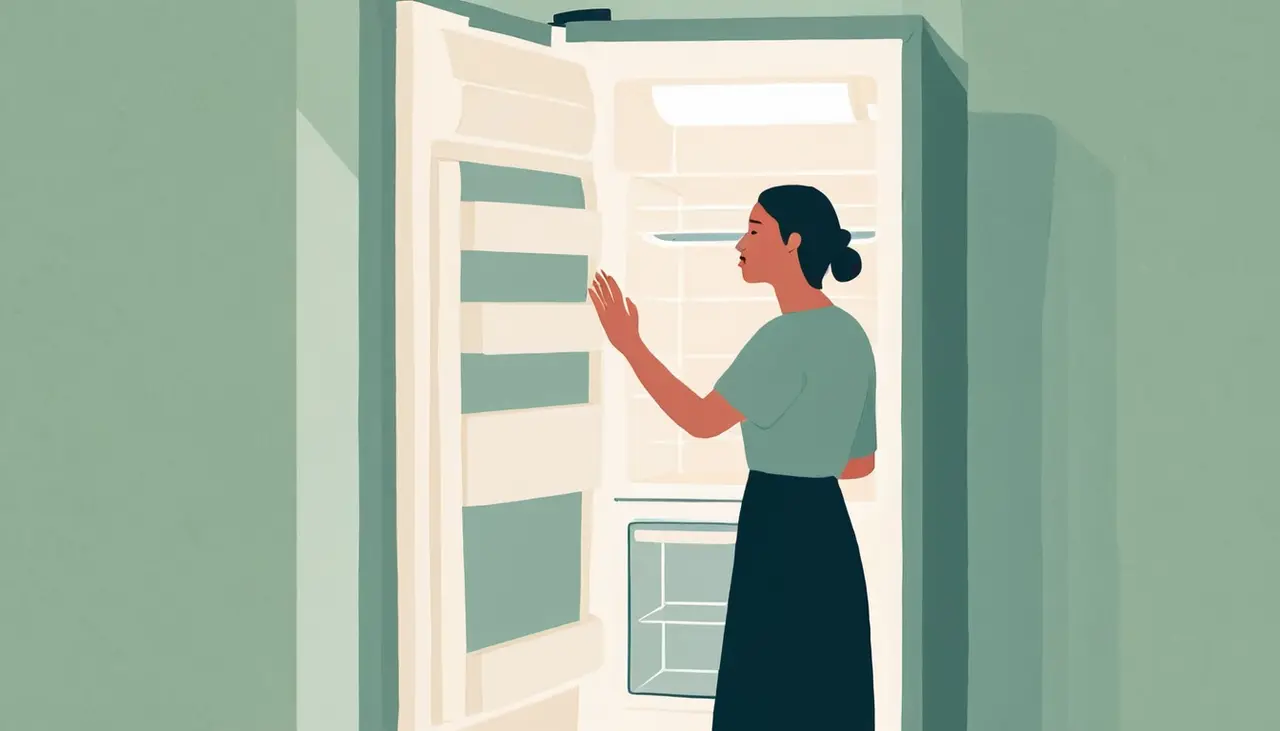
If your appetite feels unreliable the morning after drinking, that is a real thing your body does, and it usually has a plain explanation.
You wake up and something is off. Maybe you are ravenous by 8am and only salt, grease, or sugar sounds right. Maybe it is the reverse and the thought of breakfast turns your stomach. Maybe you feel fine until an afternoon hunger wave arrives out of nowhere. All three are common, and none of them mean you drank "wrong" or lost control. Alcohol nudges several of the systems that run hunger, and the next day is when you feel the wobble.
Why am I so hungry the day after drinking?
Day-after hunger is usually the overlap of several ordinary things settling back to normal at once. A short night of poor-quality sleep alone raises appetite the next day. Alcohol also touches the systems that steady your blood sugar and energy, so the "eat now" signal can come in louder than the amount of food you actually need. NIAAA's overview of alcohol and the body describes effects on hormone and blood-sugar regulation that sit right next to appetite. Add dehydration and the plain reward-seeking that follows a rough morning, and a big salty-sweet craving stops looking mysterious.
The useful move is to treat it as information, not a verdict. "My hunger signal was loud after drinking" tells you something. "I have no willpower" does not.
Why do I feel nauseous instead of hungry?
Because alcohol irritates the digestive tract, and for some people that shows up the next morning as queasiness rather than hunger. The same NIAAA overview notes alcohol's effects on the stomach and gut, which is the general space where morning food aversion, a sour stomach, and "I can't face coffee yet" tend to live. Often the hunger has not vanished, it is just running late, which is why appetite can crash back in by midafternoon.
Most of this passes on its own within a day. What does not fit the ordinary pattern is covered further down, under when this is worth a clinician's eye.
Is it normal to be starving again late at night?
For a lot of people, yes. You eat a full dinner and the body still asks for something at 10pm. This one catches people off guard when they are trying to cut back and expected their appetite to immediately turn orderly. It usually does not, at least not right away. Disrupted sleep, shifted meal timing, and blood-sugar swings can all keep the "still hungry" signal switched on into the night, even after you have eaten enough.
If this is your pattern, it is worth knowing you are far from alone in noticing it. In 2024, an estimated 178.7 million people ages 12 and older in the U.S. — about 62% — drank alcohol in the past year. Day-after appetite quirks are an everyday human experience across a very large group of people, not a private oddity.
Does how much I drank change the pattern?
It can, and drink size is easy to underestimate after the fact. What felt like "a few" may have been more alcohol than it sounds if the pours were large or the cocktails strong. A U.S. standard drink, the unit these guidelines are built on, is 0.6 fluid ounces — about 14 grams — of pure alcohol: a 12-ounce regular beer, a 5-ounce glass of wine, or a 1.5-ounce shot of spirits. A generous home pour of wine can quietly be two standard drinks in one glass.
There is no single amount that flips the appetite switch for everyone. How much it takes to throw your hunger off the next day depends on your sleep, what and when you ate, how hydrated you were, and your own body, and the same drinks can land differently on two different nights. So counting in standard drinks is less about a limit and more about giving yourself an honest picture to compare against.
Will cutting back fix my appetite?
Maybe, and it is worth watching, but there is no guarantee. Some people find their morning hunger gets steadier after fewer heavy nights, the salt craving quieter, the afternoon wave less predictable. Others find appetite stays messy, especially if sleep, stress, meal timing, or gut symptoms are still in flux. Both results are useful. A cutback can make the pattern easier to read without being the whole explanation.
A cleaner test than any food rule: compare one drinking night with a similar non-drinking night, then notice morning hunger, nausea, afternoon appetite, and late-night hunger across the two. If the pattern shifts, you have learned something about alcohol's role. If it does not, you have a good reason to look past alcohol rather than blaming yourself.
For a reference point on what "moderate" means, the CDC defines moderate drinking as up to two drinks a day for men and one for women, and lists groups — including people who are pregnant, under 21, or recovering from a drinking problem — who are advised not to drink at all. That is a comparison anchor, not a target to hit.
What actually helps the morning after
None of this is a cure for a hard night, but a few plain moves tend to steady the day:
- Rehydrate first, slowly. Water or an electrolyte drink before you decide anything about food. Some of the "loud" hunger is thirst wearing a costume.
- Eat something gentle when you can. If you are queasy, a small bland starch — toast, crackers, plain rice — is easier to keep down than a heavy greasy plate, even though grease is what you may be craving.
- Do not white-knuckle the whole day. Skipping meals to "make up" for last night tends to backfire into a bigger crash-and-binge later. Regular, normal-sized meals steady blood sugar better than punishment.
- Log it, do not judge it. Jotting the standard-drink count, your sleep, and how your appetite behaved turns a confusing morning into a pattern you can actually read over a couple of weeks.
When day-after appetite is worth a clinician's attention
Most day-after appetite swings settle within a day and need nothing more than water, food, and rest. A few patterns deserve a real look from a licensed clinician rather than another morning of self-experiment: appetite loss or unexplained weight loss that keeps going, hunger or nausea changes in someone drinking heavily every day, or vomiting that will not stop.
Some symptoms point past ordinary morning nausea. The National Institute of Diabetes and Digestive and Kidney Diseases (NIDDK) notes that heavy alcohol use is among the most common causes of pancreatitis, and that upper-abdominal pain spreading to the back — especially with persistent vomiting, fever, a racing heartbeat, or yellowing of the skin or eyes — needs care right away, not a wait-and-see morning. Dark urine or yellow-tinged skin after heavy drinking is a same-day-care signal, not a hangover to sleep off.
If bringing this up feels awkward, that is common, and worth pushing through. NIAAA describes stigma as a barrier that keeps people from raising alcohol-related concerns with a clinician at all. Appetite changes are a perfectly ordinary thing to mention plainly. If you do not already have a clinician to ask and would rather not start with an in-person visit, Clero is building a way to connect with a licensed clinician by telehealth to talk through alcohol and whether an option like medication fits — a path to the conversation, not a diagnosis from a page.
For related patterns, see late-night eating after drinking, why you crave carbs after drinking, why you crave sugar after drinking, drinking and your blood sugar, and alcohol and gut health.
This piece explains a common experience in general terms; it is not a diet plan or a diagnosis, so let a licensed clinician sort out any appetite change that is persistent, severe, or tied to heavy daily drinking.
- Mind & mood
Alcohol and Brain Fog
Brain fog after drinking is mostly a wrecked night of sleep, not alcohol still in your blood. Why it lingers some mornings, and what else stacks into it.
- Hangovers & the day after
Late-Night Eating After Drinking
Late-night eating after drinking isn't weak willpower — alcohol can trip the brain's hunger alarm while quieting the brake. The loop, and where friction helps.
- Hangovers & the day after
Why Am I Clumsy and Off Balance the Day After Drinking?
Feeling clumsy or off balance the day after drinking is real — dehydration, low blood sugar, and broken sleep all dull coordination. What helps, and when to worry.
- Body & physical health
Drinking and Your Blood Sugar
Alcohol can drop blood sugar hours after your last drink — the liver pauses sugar release to clear the alcohol first. Why lows hide, and who should plan ahead.
- Body & physical health
Why You Get Sugar Cravings After Drinking Alcohol
Sugar cravings after drinking are mostly mechanical: blood sugar dips, the liver puts alcohol first, and the brain reaches for a fast reward. What helps next day.
- Cutting back & moderation
What to Eat When You Cut Back on Drinking: Steady-Energy Basics, Not a Diet
Eat before your old drinking window and build plates around protein — cravings hit hardest on an empty stomach. Plus why the sugar pull is normal.


Be the first to hear when Clero launches.
Join with email only. Clero is still in development, so this is educational content today — not treatment, a prescription request, or medical advice.
First to hear at launchLaunch news only — no spamUnsubscribe anytime