
How To Cut Back on Drinking at Home
A private, practical guide to mapping home drinking cues without detox advice, storage rules, or app recommendations.
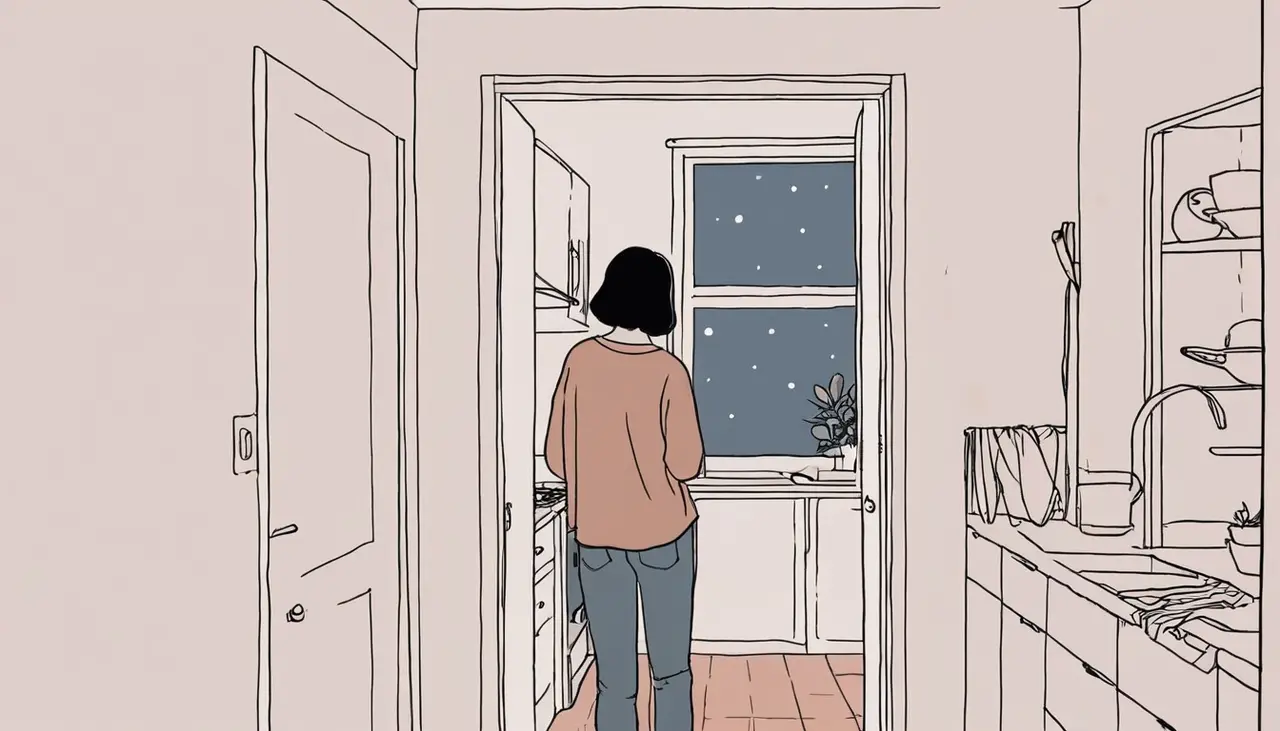
Cutting back on drinking at home starts with a cue map: the time, room, object, mood, and permission sentence that make drinking feel automatic.
Home drinking can be harder to notice because there is no bartender, last call, check, ride home, or witness. The house itself can become the script.
Build the home cue map
Do not start with a rule. Start with a map.
For one week, notice five cues:
- Time: the hour when drinking starts to sound normal.
- Room: the place where the first drink usually happens.
- Object: the glass, chair, screen, bottle, opener, or dinner routine that starts the sequence.
- Mood: the feeling that makes drinking feel useful.
- Permission sentence: the thought that makes the drink feel deserved, harmless, hidden, or already decided.
This works because home drinking is often less like a dramatic decision and more like a path worn into the evening. The map shows where the path begins.
Make the first change before the first pour
Changing the room after the first drink is harder. Change the setup before the first pour.
If the cue is time, put a different task in the first 20 minutes. If the cue is the couch, sit somewhere else until the urge crests. If the cue is the glass, use it for something non-alcoholic before the usual hour. If the cue is dinner cleanup, leave the kitchen and finish one small thing elsewhere.
None of these changes has to be impressive. The goal is to break the automatic sequence long enough to make a real choice.
Avoid turning the house into a punishment zone. You do not need a dramatic announcement, a locked cabinet rule, a public tracking system, or a perfect evening routine to learn from the cue map.
Know what "a drink" means at home
Home pours can be slippery. The glass may be larger than you think, and the amount may change depending on stress.
NIAAA defines a U.S. standard drink as 0.6 fluid ounces, or 14 grams, of pure alcohol. That is useful because "one drink" at home can mean different things in different glasses.
You do not need to turn the night into math forever. For a few nights, though, measuring or writing down the amount can replace the vague "not that much" with a clearer picture.
Compare the pattern without using thresholds as permission
The CDC defines binge drinking and heavy drinking using drink-count thresholds: 4 or more drinks for women or 5 or more for men on one occasion for binge drinking, and 8 or more drinks per week for women or 15 or more for men for heavy drinking.
Those thresholds are context, not a personal green light below them. They help answer a practical question: has home drinking become more frequent, heavier, or harder to stop than you were telling yourself?
NIAAA reports that about 14.4 million U.S. adults, or 5.5%, had heavy alcohol use in the past month in 2024. You are not the only person trying to make private drinking visible. Still, your home pattern deserves its own attention.
Replace the job, not just the liquid
Home drinking usually has a job. It may soften loneliness, mark the end of parenting, reward work, make cooking feel fun, mute boredom, or create a private place where no one asks anything of you.
If you only remove the drink, the job is still waiting.
Try naming it plainly: "I want quiet," "I want reward," "I want the day to end," "I want not to feel watched," or "I want something that belongs only to me." Then choose one non-alcohol move that answers the same job imperfectly. Quiet can be a closed door. Reward can be a show without the drink. End-of-day can be a shower. Privacy can be a walk.
Imperfect is fine. You are not trying to make water feel like wine. You are trying to make the first drink less automatic.
When cutting back at home is not a solo project
If you drink heavily or daily, do not treat this as a detox plan. Cutting back can be more complicated when your body is used to steady alcohol, and stopping abruptly can be unsafe for some people.
Talk with a licensed clinician if you feel shaky, sweaty, anxious, nauseated, or physically unwell when alcohol wears off; if you have had withdrawal symptoms before; or if you cannot cut back even when you want to.
For confidential alcohol-related referral information, SAMHSA's National Helpline (1-800-662-HELP) is available 24/7.
FAQ
How do I drink less at home without telling everyone?
Start with private cue changes: shift the first 20 minutes, change the room, use the usual glass for something else, and write down what the drink was supposed to do.
Should I remove all alcohol from the house?
This article does not give a storage rule. For some people, changing access helps; for others, the larger issue is withdrawal risk, secrecy, or loss of control. If you are worried, involve a clinician.
Why is drinking less at home harder than drinking less out?
Home has fewer outside limits. There is no closing time, no public check, no server, and often less social friction. That makes cue mapping more important.
This article is general education, not a detox plan, storage rule, medical advice, or promised result; if cutting back causes physical symptoms, talk with a licensed clinician before stopping abruptly.
- Social events & holidays
Cutting Back When Summer Cocktail Menus Keep Getting More Tempting
How to think through seasonal cocktail-menu pressure while cutting back, without drink rules, brand advice, or shame.
- Cutting back & moderation
How to Do a No-Drink Month at Home
A practical 30-day no-drink month structure you can run at home without an app, a program, or a promised outcome.
- Cravings & triggers
The Just This Weekend Loop When You're Cutting Back
How to recognize the 'just this weekend, then Monday' cutback loop without shame, willpower lectures, or detox advice.
- Social events & holidays
How to Handle Pride Events When You're Cutting Back on Drinking
A practical Pride Month pacing guide for brunches, parades, block parties, clubs, and house gatherings when you want the day to include less alcohol.
- Medication & treatment
How To Stop Drinking Without Rehab
You may not need residential rehab, but withdrawal safety comes first. Sort private non-residential options without treating detox as DIY.
- Mind & mood
How to Deal With Guilt About Your Past Drinking (Without Letting It Undo the Change)
Guilt getting louder after you drink less does not mean the change is fake — the fog lifted. Sort each memory into repair, learn, or release, then watch the loop.


Be the first to hear when Clero launches.
Join with email only. Clero is still in development, so this is educational content today — not treatment, a prescription request, or medical advice.
First to hear at launchLaunch news only — no spamUnsubscribe anytime