
How to Handle Father's Day When You're Cutting Back
Father's Day pushes drinks at four gates: the gift, the glass, the toast, and the long afternoon. Decide each one before you get there and the day stays yours.
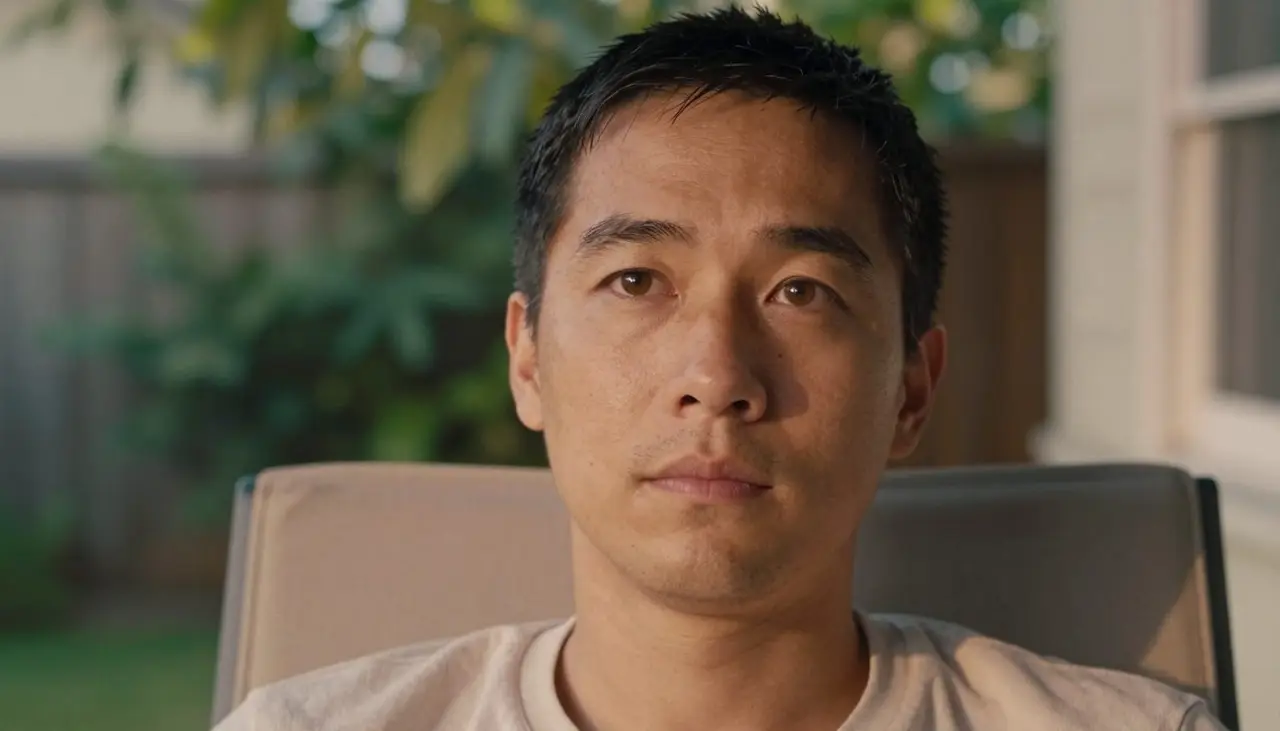
It is not even noon and someone has already put a drink in your hand. The brunch table is loud, the mimosa carafe is going around a second time, and there is a whole afternoon of cooler-and-ballgame still ahead. You told yourself this year would be different. Now you are doing the math on a day that has barely started, and the day is winning.
Here is the part worth saying out loud before anything else: the pull you are feeling is not weak willpower. Father's Day is built to make drinking feel automatic — brunch, the backyard cooler, the ballgame, the bourbon someone wrapped for you. The structure does the pushing, not some flaw in you. So instead of gritting your teeth through hours of it, you can work the structure back. Think of the day as four gates you pass through — the Gift, the Glass, the Toast, and the Stretch — and decide, before you get to each one, how you want to walk through it. Call it the Four-Gate plan. You do not need to win all four. You need to stop being surprised by them.
Why the day gets away from you
A craving is not a steady thing you white-knuckle for six hours. It tends to rise, crest, and fall, usually inside a few minutes, if you can just not act on it at the peak. The trouble with Father's Day is that the day keeps rebuilding the peak. Every carafe refill, every trip to the cooler, every "come on, it's a special day" is a fresh cue, and cues are what set a craving off in the first place.
The other thing working against you is that a long, loose day hides the count. When drinks arrive over eight hours in a backyard, they stop registering as a number and start registering as scenery. It helps to have a real unit to count in. A U.S. standard drink is 0.6 fluid ounces, or 14 grams, of pure alcohol — that is roughly a 12-ounce regular beer, a 5-ounce glass of wine, or a 1.5-ounce shot. Counting in that unit, rather than in "rounds," is how you keep an eight-hour day honest.
The Four Gates just put a decision in front of you before each of those cues gets to you first.
Gate one: redirect the gift before it is bought
The first gate often arrives days early, in the form of a whiskey crate, a brewery-tour ticket, or a bar gift card someone thought was thoughtful. You cannot un-receive a gift gracefully, but you can steer it before it is bought.
Do it warmly and be specific, because "please don't get me alcohol" is hard to act on and easy to take as a rebuke. Give them a better target instead: "Honestly, a fishing morning or a dinner where we actually sit at the table would mean more this year — the bottle thing just hasn't been doing it for me lately." Most people giving a boozy gift are trying to be kind. A concrete alternative lets them stay kind.
Do-it-now action: text the one person most likely to hand you a bottle, today, with a specific thing you would rather have.
Gate two: fill the glass yourself, first
The second gate is the drink that appears in your hand before you have decided anything — the pre-poured mimosa, the beer someone opens "for you" on the way past the cooler. An empty hand at a party is a vacancy other people rush to fill.
So fill it first. Walk in holding the drink you actually want — sparkling water with lime, iced tea, a cold non-alcoholic option, coffee if it is still morning. A full glass ends the offers before they start, and it spares you the running negotiation of declining all afternoon. Pair it with one short line you can repeat without a speech: "I'm good with this, thanks." Said flatly and moved past, it closes the subject far better than an explanation does.
Do-it-now action: decide your default non-alcoholic drink right now, before you leave, so you are not choosing it under pressure with a carafe six inches away.
Gate three: decide the toast in advance
The toast is the gate most likely to catch you flat-footed, because it is public and it is quick. Someone raises a glass to Dad and suddenly the whole table is looking at what is in your hand.
You get to decide the shape of this one ahead of time. You can toast with whatever is in your glass — the ritual is the raised glass and the words, not the liquid. You can time your arrival for after the toast, or drift toward the kitchen when the second round of speeches starts. None of these reads as a statement to anyone but you. The move is simply to pick one before the moment arrives, so you are not improvising while forty people wait.
Do-it-now action: choose your toast plan — toast as-is, arrive late, or step away — and picture yourself doing it once.
Gate four: build one anchor into the stretch
The last gate is the long, shapeless afternoon itself — the stretch where the cooler becomes the center of gravity and every refill feels like hospitality. This is where a day quietly runs up its count, and it is worth knowing why the count matters. Risk from drinking is not a switch that flips at one number; it climbs with how much and how often, and where it climbs fastest differs person to person, shaped by your size, your sex, whether you have eaten, anything else you take, and what your family history hands you. Drinking heavily over a short window is its own kind of risk — the NIAAA describes binge drinking as roughly 5 or more drinks for men or 4 or more for women in about two hours, the pattern that pushes blood alcohol to about 0.08%. A slow backyard afternoon can reach that without ever feeling like a big night, which is exactly why the cooler is the gate to plan around.
The fix is to give the afternoon a shape that is not the cooler. Pick one anchor that has its own center of gravity: a walk after the meal, a grilling lesson you are actually running, a ballgame seat away from the beer garden, a real hike, a long phone call to someone who could not make it. An anchor gives your hands and attention somewhere to be, and it gives the day a middle that is not measured in refills.
Do-it-now action: name your one anchor activity and, if it needs anyone else, invite them before the day so it is on the calendar, not just in your head.
When a gate doesn't hold
Some of them won't, and that is not the plan failing. Maybe you take the toast drink for real, or the third beer finds you at the cooler before you noticed. One gate slipping is information, not a verdict on the whole day or on you.
What it tells you is where the pressure actually lives — for some people it is the gift, for others the first pour, the toast, the drive home, or a grief layer if this is the first Father's Day without someone. That is worth more than a perfect record, because next year you already know which gate to reinforce.
One caution that sits outside the plan: if you drink every day and are thinking about stopping, do not white-knuckle a cold stop on a holiday. Suddenly quitting after heavy daily drinking can be genuinely dangerous, and if a stretch without alcohol has ever brought on shaking, sweating, confusion, or a seizure, treat that as an emergency — call 911 or go to an emergency room. The safe version is to plan it with a clinician first. If the day is tangled up in grief or estrangement that feels like more than you can carry, that is a real reason to reach for support too, not a personal failing to push through.
The one thing to carry out
You do not need to disclose your whole plan, diagnose anyone at the table, or make the afternoon a referendum on your drinking. You need three small decisions made before you walk in: the drink you will hold, the line you will repeat, and the one activity that is not the cooler. Everything else is just the Four Gates, and you already know where they are.
If any of it starts to feel medically or emotionally unsafe, that is the point to bring in a clinician rather than tough it out alone — you can call the SAMHSA National Helpline at 1-800-662-HELP any time for a free, confidential referral. For the day-of moments, how to handle alcohol cravings and urges is the full toolkit, how to handle friends who keep offering you drinks covers the pushier version of gate two, and how to set boundaries with family when you're cutting back on drinking is there when the pressure is bigger than one holiday.
This is general education, not medical advice or a treatment plan; if your drinking feels unsafe to stop or the day brings up more than you can manage alone, talk with a licensed clinician.
- Understanding your drinking
How Much Wine Is Too Much? What the Numbers Actually Say
U.S. guidelines put moderate drinking at one 5-oz glass of wine a day for women, two for men. Home pours run bigger — here's how to count what you drink.
- Quitting & sobriety
How do I stop drinking?
Stopping drinking starts with safety, not willpower. If you drink heavily every day or have had withdrawal symptoms, ask a clinician what level of care is safest before you stop suddenly. If you are medically stable, the next step is to choose support that matches your goal, privacy needs, and risk level: therapy, peer support, medication education, primary care, telehealth, outpatient treatment, or a higher level of care.
- Social events & holidays
How to Handle FOMO When You're Cutting Back on Drinking
FOMO is rarely the whole night — it is the people, the place, the drink, or the feeling. Name which corner is hot, give it one small move, and set the phone down.
- Social events & holidays
How to Handle Thanksgiving When You're Cutting Back on Drinking
Thanksgiving is an all-day drinking cue: plan the timeline, family lines, and first sober holiday pressure before the table fills.
- Body & physical health
Does Alcohol Cause Memory Loss? Short-Term, Long-Term, and What Can Recover
Alcohol can cause blackouts, next-day fog, and long-term memory changes. The pattern tells you when to cut back, track it, or seek medical care.
- Family & relationships
How to Handle Father's Day When You're Not With Your Kids This Year
A cutback guide for dads spending Father's Day apart from their kids, with crisis routing and no custody or legal advice.


Be the first to hear when Clero launches.
Join with email only. Clero is still in development, so this is educational content today — not treatment, a prescription request, or medical advice.
First to hear at launchLaunch news only — no spamUnsubscribe anytime