
Sober Shaming: What It Is and How To Read the Pressure
Sober shaming is social pressure that treats not drinking as weird or dramatic. How to name it, shrink the explanation, and protect your next choice.
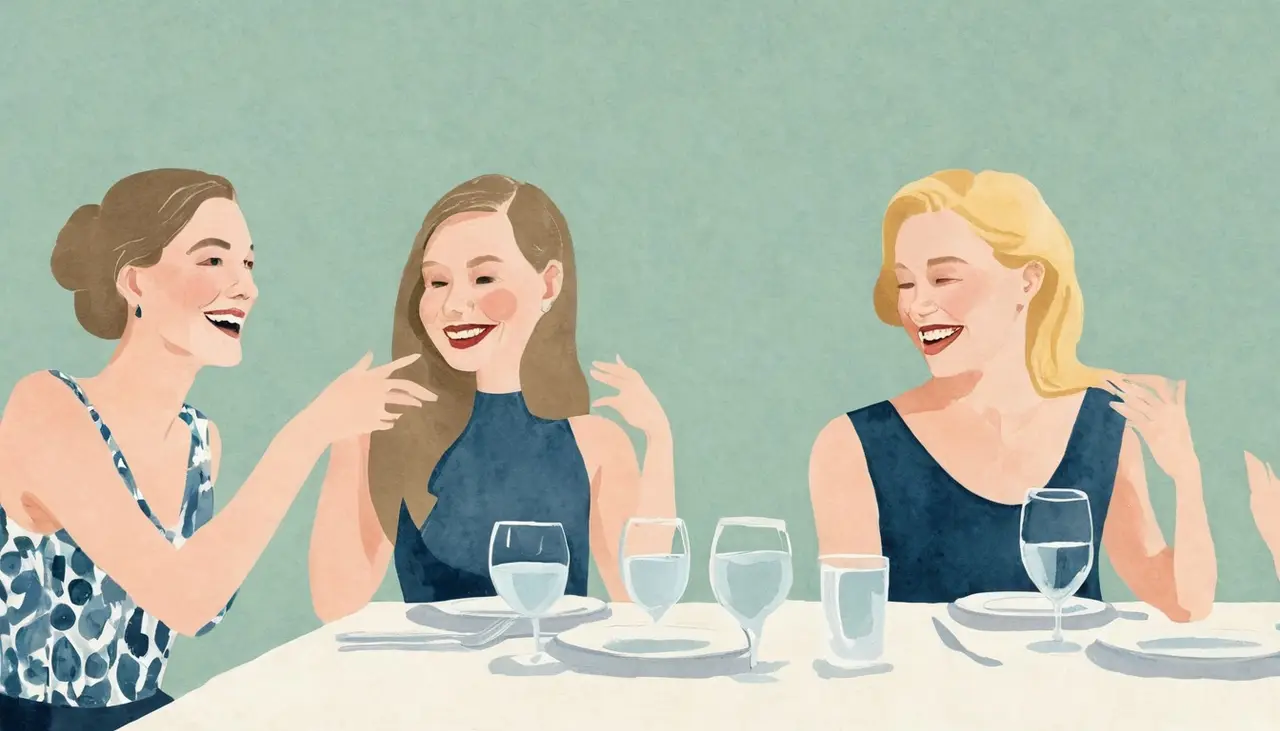
You say you are not drinking tonight, and the table suddenly has opinions. Someone laughs. Someone asks why. Someone makes your water feel like a speech.
Use the Hold the Frame method: name the pressure, shrink the explanation, protect the next choice.
Name the pressure without making it your identity
Sober shaming is social pressure that treats not drinking, drinking less, or taking a break as weird, dramatic, boring, or judgmental. It can be a joke, an eye roll, a repeated question, or a direct push to drink.
The label is useful only if it helps you see the pattern. It is not a requirement to adopt a new identity or make an announcement. You can be cutting back, taking the night off, driving, tired, done with the first drink, or simply not interested.
Alcohol is common enough that not drinking can stand out. NIAAA reported that 174.4 million U.S. adults ages 18 and older drank alcohol in the past year in 2024. Common behavior often becomes invisible. The person changing the pattern becomes visible.
That visibility can feel bigger than the choice itself. A small private limit becomes a public topic. Naming that dynamic can lower the pressure: the discomfort is not proof you are doing something wrong; it is often the room adjusting to a changed cue.
Shrink the explanation
Pressure often tries to pull a long explanation out of you. Long explanations can become traps. The more you explain, the more material people have to debate.
The Hold the Frame move is smaller:
- Name it to yourself: "This is pressure, not a requirement."
- Use a short line: "Not tonight," "I am good," or "I am taking it easy."
- Move the focus: ask a question, change the subject, order something else, or step away.
This is not a scriptbook. The point is not to find the perfect comeback. The point is to avoid making your private choice available for group editing.
Remember why people react
People may react because your choice changes the room. It can make them wonder whether you are judging them, whether their own drinking is visible, or whether the old rhythm of the group is shifting.
That does not make the pressure fair. It does make it less mysterious.
CDC reported that 17% of U.S. adults binge drank in 2024. In many groups, heavy nights are normal enough that one person opting out can feel like a comment even when it is not meant as one.
Your job is not to manage every reaction. Your job is to keep your own frame: this is a choice about tonight, your body, your pattern, and your next morning.
Protect moderation too
Sober shaming does not only affect people who never drink. It also affects people who are trying to drink less.
That matters because pressure can collapse moderation into "prove you are fun." One drink becomes two because someone keeps topping you off. A night off becomes a debate. A quiet limit becomes a public challenge.
CDC lists relationship problems with family and friends among issues associated with long-term alcohol use. If the same people repeatedly push past your limit, the relationship pattern is part of the drinking pattern.
Protect the limit before you defend the philosophy. Decide what tonight's boundary is: no alcohol, one drink, leaving early, no shots, or no explaining. Then design the setting around that choice when you can.
When pressure becomes a support question
Some pressure is annoying. Some pressure is unsafe.
If people keep putting alcohol in your hand after you say no, mock you until you give in, interfere with your ride, or punish you socially for not drinking, treat that as more than teasing. You may need distance, backup, or a different plan for that setting.
If the pressure is happening inside a broader struggle with alcohol and you need help finding support, SAMHSA's National Helpline (1-800-662-HELP) is a free, confidential, 24/7 information and treatment-referral service for mental or substance use disorders.
If you drink heavily or daily and are afraid of what will happen when you stop, bring the safety question to a licensed clinician. Social pressure is real, but withdrawal risk is a medical question.
The reality check
The Hold the Frame method will not make everyone gracious. Some people will still joke. Some will still ask. Some will need more distance than you expected.
But you do not need a perfect line to keep your choice intact. You need a small frame you can return to: name the pressure, shrink the explanation, protect the next choice.
FAQ
Is sober shaming only about people who quit completely?
No. It can happen when someone is not drinking tonight, drinking less, taking a break, or trying to avoid a pattern that has started costing them.
Are my friends bad if they joke about me not drinking?
Not automatically. A one-off awkward joke is different from repeated pressure after you have said no. The pattern matters.
Do I have to explain why I am not drinking?
No. A short answer is enough. You can keep your reason private and still protect your choice.
This article is general education, not relationship or medical advice. If pressure to drink is tied to safety, withdrawal concerns, or loss of control, involve trusted help or a licensed clinician.
- Understanding your drinking
Found Hidden Bottles of Alcohol? What to Do Next
Hidden alcohol proves there is secrecy, not why it happened. Wait for a sober moment, name what you found, ask one direct question, and keep safety first.
- Quitting & sobriety
How To Stay Sober
Staying sober usually works better as a repeatable support structure than as a daily test of character. A practical, non-diagnostic guide to common pressure points and safer next steps.
- Social events & holidays
How to Handle Thanksgiving When You're Cutting Back on Drinking
Thanksgiving is an all-day drinking cue: plan the timeline, family lines, and first sober holiday pressure before the table fills.
- Family & relationships
How to Tell an Adult Child You're Cutting Back on Drinking
Tell an adult child you're cutting back with a postcard, not a speech: what's changing, what it means for the next visit, and what you're asking for. Nothing else.
- Understanding your drinking
Sharing Your Experience of a Loved One's Drinking Online
A changed name does not make a story anonymous. How a trusted listener, a peer group and an open online post actually differ.
- Mind & mood
Sobriety and Mental Health
Sobriety often lifts alcohol-driven low mood and anxiety, while an independent depression tends to stay put. How to tell which pattern you're in.


Be the first to hear when Clero launches.
Join with email only. Clero is still in development, so this is educational content today — not treatment, a prescription request, or medical advice.
First to hear at launchLaunch news only — no spamUnsubscribe anytime