
What To Do Before Bed After Drinking Too Much
Check safety first: anyone confused, hard to wake, or breathing strangely needs 911, not bed. Then skip the fixes — no remedy is proven, only time works.
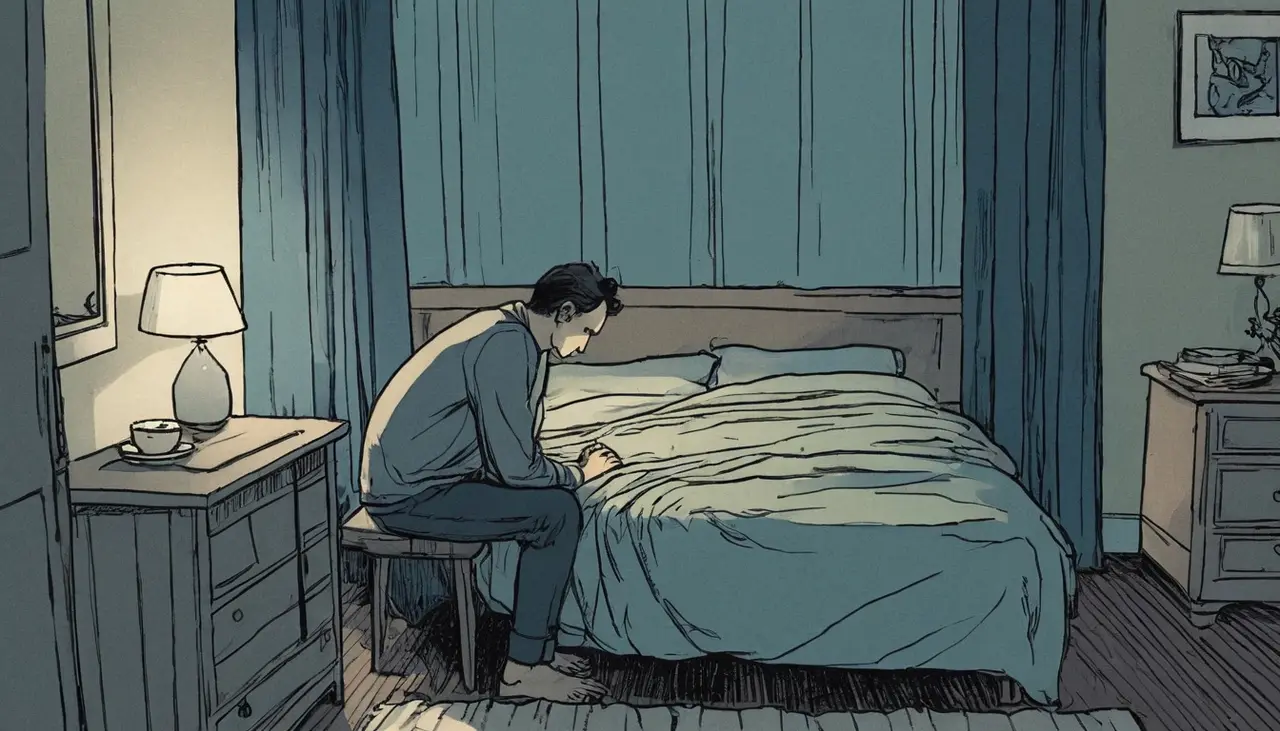
Before bed after drinking too much, the safest answer is not a trick. First decide whether anyone needs urgent help. Then avoid adding more alcohol or sedating substances. Time is the recovery factor a hangover page can name with confidence.
That is less satisfying than a hack. It is also more honest.
Start with the safety check
Ask the uncomfortable questions first.
Is anyone confused, hard to wake, breathing strangely, injured, vomiting repeatedly, having chest pain, or unable to stay upright? Did someone hit their head, black out, or mix alcohol with other drugs or sedatives? If yes, treat that as a real-time safety problem, not a bedtime problem.
If severe symptoms are present, call 911 or use emergency care. A blog post cannot monitor breathing, head injury, poisoning risk, or withdrawal risk from across the room.
The point is not to panic. The point is to stop searching for a bedtime routine when the situation needs another person, urgent care, or emergency help.
Do not add a second problem
The "fix it before sleep" impulse can make people stack risks: more alcohol, sedatives, sleep aids, unfamiliar supplements, or improvised combinations. This article will not tell you what to take.
That boundary matters. After drinking too much, judgment is already affected. NIAAA states that during a hangover, attention, decision-making, and muscle coordination can be impaired. The night before the hangover is not usually a better time for complex self-management.
Keep the decision smaller: do not add more alcohol, do not experiment with products, and do not treat sleep as the only goal if safety is uncertain.
What about hangover remedies?
NIAAA says no hangover remedies have been scientifically proven effective, and time is required for recovery from alcohol use. That is the source-backed answer.
It does not mean every comfort measure is meaningless. It means this page should not pretend a product, food, pill, powder, or timing ritual can reliably undo the drinking. Many searches in this moment are really asking, "How do I erase tonight before tomorrow?" The evidence does not support that promise.
The more useful question is: what would make this night safer, and what does it tell you about the pattern?
Put the night in standard-drink language later
If you can safely write it down, make a short note before the details blur: what you drank, roughly how many, over how long, and what made the number climb.
NIAAA defines binge drinking as a pattern that typically brings blood alcohol concentration to 0.08% or higher, often 5 or more drinks for males or 4 or more for females in about 2 hours. That definition is not a personal verdict. It is a shared way to describe the kind of night that often leads to a scared search.
Do not turn the note into a trial. Use it as pattern data: pace, people, place, mood, and the first moment you knew the night was getting away from you.
When withdrawal is the concern
If you drink heavily or daily, the before-bed question changes. Stopping or cutting back can sometimes bring withdrawal symptoms, and severe withdrawal symptoms are emergency signs.
MedlinePlus lists seizures, fever, severe confusion, hallucinations, or irregular heartbeats during alcohol withdrawal as reasons for emergency care. If symptoms like those appear, call 911 or go to an emergency room.
Do not use this page as a detox plan. If you are worried about withdrawal, the safer next step is clinician input, not a home strategy assembled at midnight.
If the regret is the loudest part
Regret can be useful if it points to a pattern. It becomes less useful when it turns into punishment.
Try a three-line note:
- What happened tonight?
- What was the first turn where drinking stopped matching the plan?
- What do I want to make easier next time: leaving earlier, eating before the event, telling one person, changing the first drink, or not going?
None of those lines fixes the night. They keep tomorrow from becoming only shame. A bad night can become information if you do not bury it or dramatize it.
When to use outside support
Use emergency care for immediate danger, severe symptoms, confusion, seizures, trouble breathing, serious injury, or symptoms that are getting worse.
Use a clinician conversation if you are drinking heavily, drinking daily, blacking out, repeatedly drinking more than you meant to, or feeling physically unwell when alcohol wears off.
FAQ
Is there anything that fixes a hangover before bed?
NIAAA's answer is that no hangover remedies have been scientifically proven effective, and time is required for recovery. Be careful with any source promising a reliable overnight fix.
Should I sleep it off?
Sleep may happen, but "sleep it off" is not a safety plan. If someone is hard to wake, injured, confused, breathing abnormally, vomiting repeatedly, or getting worse, use urgent or emergency help.
What if I drink like this often?
Repeated nights like this are a pattern worth bringing to a licensed clinician, especially if stopping feels physically unsafe or one drink often becomes many.
This article is general education and safety routing, not medical advice, a hangover protocol, or a detox plan; severe symptoms, injury, confusion, or withdrawal warning signs need emergency help — call 911 or go to an emergency room. For alcohol-related referral information that is not an emergency, SAMHSA's National Helpline (1-800-662-HELP) is free, confidential, and available 24/7.
- Body & physical health
What Is Alcohol Poisoning? The Signs to Know and When to Call 911
A fast, safety-first guide to alcohol poisoning, the warning signs that matter, and why calling 911 comes before at-home fixes.
- Family & relationships
How to Apologize After Drinking Too Much
A practical repair framework for apologizing after overdrinking, with safety exclusions, no coercive scripts, and no promise that an apology fixes harm.
- Hangovers & the day after
Vomiting the Day After Drinking: What To Know
A safety-first guide to day-after vomiting after alcohol, with clear red flags and no home remedy or detox protocol.
- Understanding your drinking
Is It Bad To Have a Drink After Work?
A drink after work isn't automatically bad — the pattern is what matters. How to tell when one drink is carrying too much weight, and the self-check to run.
- Hangovers & the day after
What To Do the Morning After Drinking Too Much
A practical, non-shaming morning-after guide focused on impairment, no-remedy claims, and using the episode as cutback data.
- Cutting back & moderation
When Your Doctor Told You to Cut Back but Didn't Tell You How to Start
What to ask after a clinician says to cut back on drinking but does not give a clear target, timeline, or first step.


Be the first to hear when Clero launches.
Join with email only. Clero is still in development, so this is educational content today — not treatment, a prescription request, or medical advice.
First to hear at launchLaunch news only — no spamUnsubscribe anytime