
My Family Wants Me To Stop Drinking: What To Do With That Pressure
A dignity-preserving guide to hearing family concern without accepting every label, using the pressure as pattern data, and knowing when outside support matters.
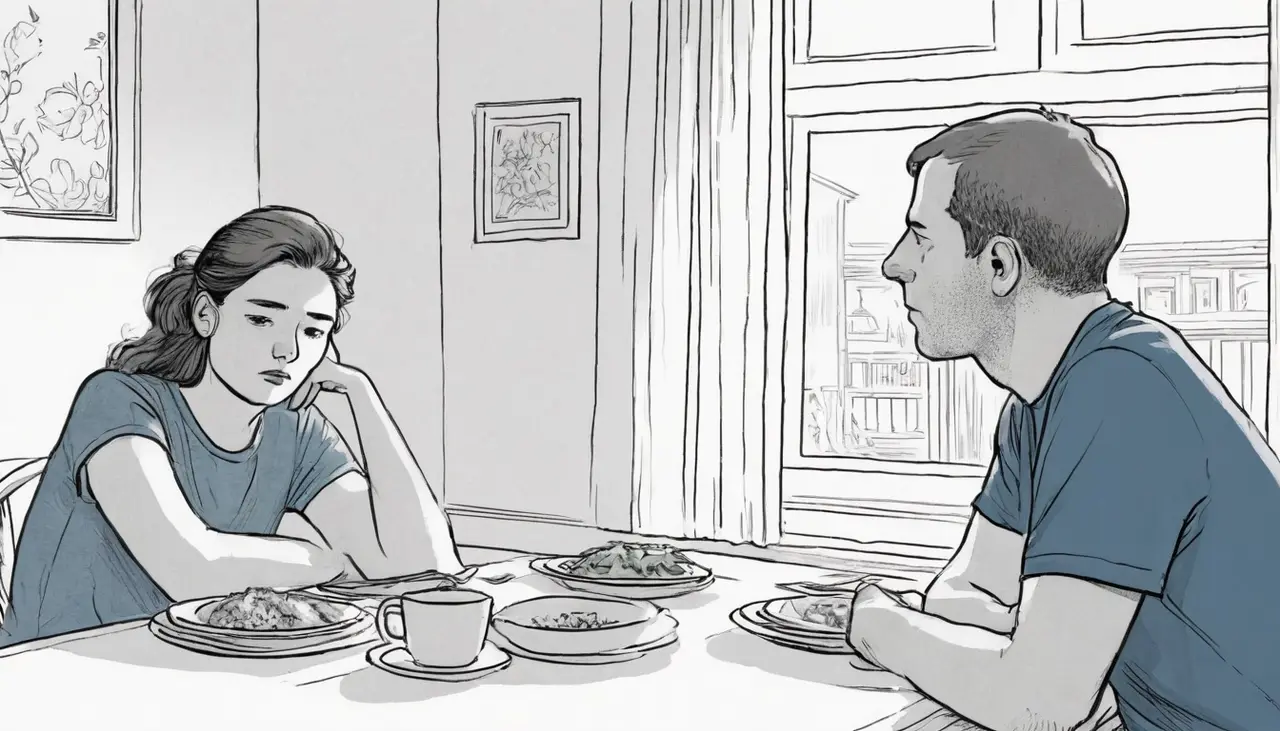
The room changes when your family has already decided what the drinking means. You may feel cornered before you have said a word. You may also know, privately, that they are reacting to something real.
Use the Pressure-Pattern-Next Step sort. It lets you hear the concern without handing your whole self over to someone else's label.
First, separate pressure from information
Family pressure can arrive as fear, anger, jokes, ultimatums, tears, or a lecture. The delivery may be unfair. The information may still matter.
That is the first split: pressure is how it arrived; information is what it points to. You do not have to accept the exact label, plan, or timeline to ask what pattern they are seeing. Handling the delivery is a separate job from reading the information, and setting a boundary with family about your drinking is that job.
Alcohol is common. NIAAA reported that 174.4 million U.S. adults ages 18 and older drank alcohol in the past year in 2024. But common does not mean consequence-free, and family members often notice effects before the person drinking wants to name them.
Name the pattern they may be reacting to
Ask for observable examples, not verdicts. "You drink too much" is hard to use. "You missed dinner twice," "you scared me driving home," "you changed after the third drink," or "you were gone the next day" is more useful.
CDC lists learning problems, work or school issues, memory problems, and relationship problems among issues associated with long-term alcohol use. If your family is pointing to memory gaps, conflict, missed responsibilities, or relationship strain, those are not just opinions about your character. They are patterns to examine.
Try writing the examples in two columns:
- What they saw: missed plans, arguments, blackouts, hiding, morning drinking, or repeated promises.
- What you saw: amount, pace, trigger, mood, sleep, next-day regret, or whether you drank more than planned.
The overlap is where the useful work starts.
If you are angry, write the examples down before answering them. Anger can be reasonable and still make the pattern harder to see. A written list lets you separate exaggeration from repetition, and repetition is usually the part worth taking seriously.
Keep your options wider than their demand
Your family may say "stop forever" because they are scared. You may hear that as the only possible next step and fight the whole conversation.
Widen the frame. Moderation, abstinence, medical support, counseling, peer support, a clinician conversation, a short break, and a lower-risk drinking plan are not the same choice. No general article can pick one for you. The useful move is avoiding the trap where "I do not accept their exact demand" becomes "nothing needs to change."
NIAAA reported that 27.9 million people ages 12 and older in the United States had past-year alcohol use disorder in 2024. That number is a reminder that alcohol problems exist on a real scale, and getting an outside view can be more useful than arguing labels at the kitchen table.
Use the next-step question
After pressure and pattern, ask one practical question: what is the lowest-drama next step that would give you better information?
It might be tracking actual drinks for two weeks. It might be taking a short break if that is physically safe. It might be asking a clinician whether cutting back needs a safety plan. It might be telling your family, "I am not ready to accept that label, but I am willing to look at the pattern."
Do not turn the conversation into a trial where your family prosecutes and you defend. That setup usually produces more heat than clarity.
Turn one example into the next conversation
Choose a safe, stable time when you are not intoxicated. Here is an illustrative exchange using the Pressure-Pattern-Next Step sort; adapt the words to what actually happened.
Relative: "You missed dinner again. You never show up anymore. Just admit you have a problem and promise you'll stop."
You: "I missed Sunday dinner after drinking. You cooked and waited without knowing whether I was coming. I'm sorry. I did come the week before, so I disagree with 'never.' But Sunday still happened, and I want to address it."
You can correct that detail and leave the effect intact. There is no need to settle every past argument before discussing this incident.
Relative: "Then say you won't drink again."
You: "I can't honestly make that promise today. I'm willing to write down what happened and bring it to a clinician conversation. I'd like you to listen while I explain what I've noticed. What help would you be comfortable offering?"
Say which kind of support you want: listening, encouragement, or practical help. Choose a next step you are prepared to take; your relative may offer something different or say they cannot help.
Relative: "I can listen. I don't want another conversation that goes nowhere."
You: "I hear that you want to see me follow through. Would you be willing to talk again on Sunday about what I've done and what still feels unresolved? I don't need you to count my drinks."
That last move borrows from the other side of the table: SAMHSA's guidance for people supporting someone is to summarize what was heard and ask about follow-up, and it works pointed the other way too. Leave room for a different time or format. You can seek help before that conversation, whether or not your relative agrees to it.
If voices rise, pause: "I'm getting defensive and can't listen well now. I'd like to stop here and check tomorrow whether we're both ready to talk calmly." Resume only when it feels safe; acknowledging one incident does not settle the whole relationship or require your relative to feel reassured.
Know when outside help matters
Outside help matters when the drinking is heavy or daily, when stopping causes symptoms, when family conflict is escalating, when there are blackouts, injury, morning drinking, or fear about what might happen next.
SAMHSA's National Helpline (1-800-662-HELP) is a free, confidential, 24/7 information and treatment-referral service for mental or substance use disorders. Use it as a routing option, not as a substitute for emergency care.
If anyone is talking about suicide, self-harm, or feeling unsafe with themselves, the 988 Suicide and Crisis Lifeline offers free, confidential 24/7 call, text, and chat support. If there is immediate danger, call emergency services.
The reality check
The Pressure-Pattern-Next Step sort will not make every family conversation fair. Some relatives may overreach. Some may minimize. Some may be too angry to talk well.
Still, you can use the pressure without being ruled by it. The question is not "Are they completely right?" The question is "What pattern am I willing to look at clearly?"
FAQ
Do I have to quit because my family says so?
No article can make that decision for you. You can take their concern seriously without accepting their exact label or plan.
What if I think they are overreacting?
Ask for specific examples. If there are no patterns, that is one kind of information. If there are repeated examples, look at them before arguing the conclusion.
Can I try cutting back before promising to stop forever?
For some people, yes. If you drink heavily or daily, get medical guidance first because sudden changes can be unsafe.
This article is general education, not family, legal, crisis, or medical advice. If withdrawal, self-harm, violence, or immediate danger is part of the situation, use a licensed clinician, 988, or emergency services now.
- Medication & treatment
Scared to Stop Drinking? What to Ask a Doctor
If you are scared to stop drinking, ask a licensed clinician about your current drinking pattern, any symptoms you notice when you drink less, your medical history, and what level of support is appropriate. This page is questionprep only. It does not give detox instructions, taper schedules, or personal risk assessment.
- Hangovers & the day after
What To Do the Morning After Drinking Too Much
A practical, non-shaming morning-after guide focused on impairment, no-remedy claims, and using the episode as cutback data.
- Mind & mood
Can Alcohol Cause Panic Attacks? Why They Hit After Drinking
An answer-first explanation of alcohol rebound anxiety, 3 a.m. panic, medical red flags, and how to read the pattern without self-diagnosing.
- Cutting back & moderation
Does Non-Alcoholic Wine Have Alcohol?
Non-alcoholic wine can contain less than 0.5% ABV unless it says alcohol-free. What the label means and when trace alcohol matters.
- Understanding your drinking
Is It Bad To Have a Drink After Work?
A drink after work isn't automatically bad — the pattern is what matters. How to tell when one drink is carrying too much weight, and the self-check to run.
- Cravings & triggers
Feeling Bored on Long Summer Evenings When You're Cutting Back
Why long light summer evenings can trigger alcohol cravings, and how to give the evening shape without relying on a drink.


Be the first to hear when Clero launches.
Join with email only. Clero is still in development, so this is educational content today — not treatment, a prescription request, or medical advice.
First to hear at launchLaunch news only — no spamUnsubscribe anytime