
Why Do I Drink When I'm Sad?
Drinking when you're sad is usually a learned loop: sadness cues the drink, relief reinforces it, a rough morning restarts it. How to spot and interrupt it.
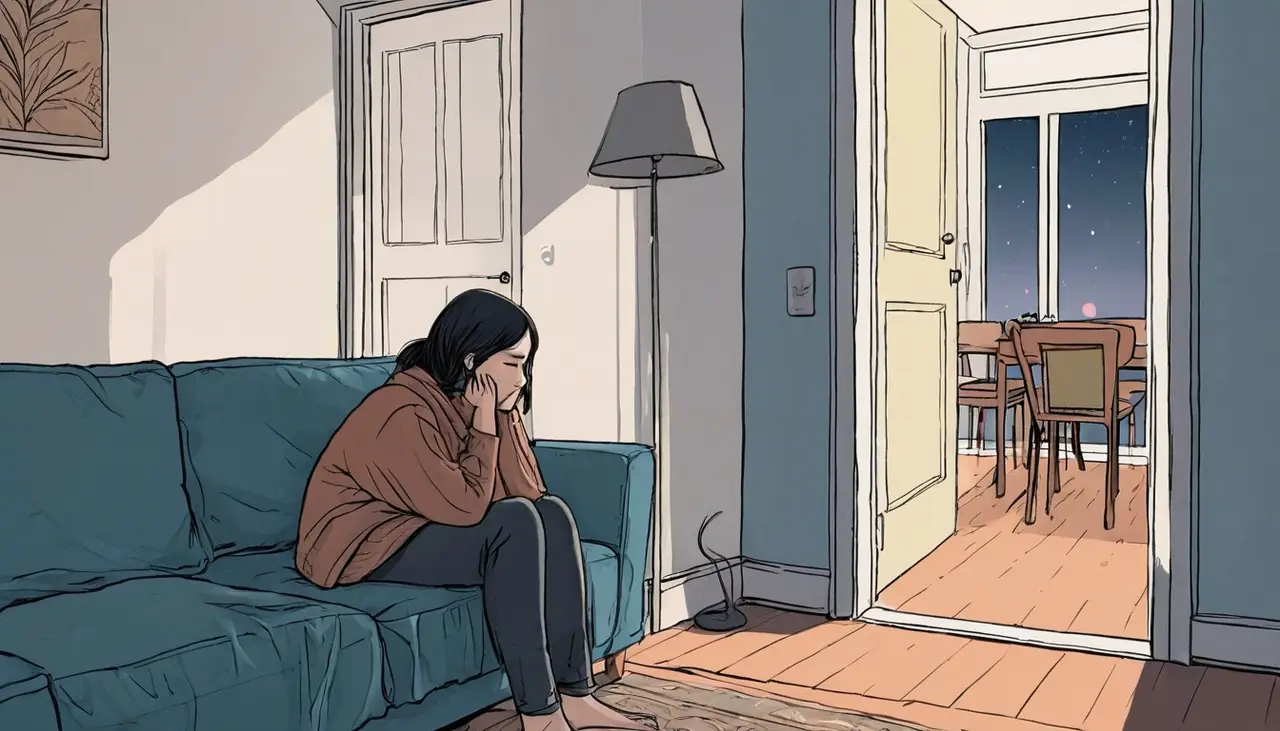
Drinking when you are sad usually means alcohol has become part of a cue loop: the low feeling arrives, a drink promises a faster exit, and tomorrow's mood may make the same loop more tempting.
That does not make you weak. It does make the pattern worth naming. The useful question is not "What is wrong with me?" It is "What happens in the half hour before the first drink starts to make sense?"
Why does sadness make drinking feel so automatic?
Sadness narrows the room. It can make the next hour feel too heavy, too quiet, or too exposed. Alcohol offers a shortcut because it changes how the moment feels before anything in the moment has actually changed.
The relief can be real in the short term. That is why the loop sticks. If a drink reliably softens the edge of sadness, your brain starts treating the drink as part of the response, not as a separate choice you weigh from scratch every time.
The next-day cost matters too. NIAAA describes hangover symptoms as including anxiety and irritability, with symptoms that can last 24 hours or longer. If sadness leads to drinking and drinking leads to a more anxious, irritable, ashamed morning, the loop can start feeding itself.
Is this the same as depression?
Not necessarily. Drinking when sad is a pattern you can notice; depression is a clinical question. One does not prove the other.
What you can say clearly is this: sadness is showing up as a drinking cue. That is enough information to take seriously without diagnosing yourself from a search result. It is also enough to bring to a clinician or counselor if the pattern repeats, feels hard to interrupt, or sits alongside a low mood that is not lifting.
The CDC lists depression and anxiety among serious health problems linked with long-term excessive alcohol use. That source does not tell you what is happening in your life. It does mean alcohol and mood belong in the same conversation, especially when the two keep arriving together.
What should I look for before the first drink?
Look for the first believable sentence. Sad drinking often begins before the glass is poured.
It might sound like:
- "I just need the day to stop."
- "I cannot sit with this feeling tonight."
- "One drink will make me normal."
- "I already feel bad, so it does not matter."
- "No one will know."
Those sentences are data. They tell you what alcohol is being asked to do: numb, quiet, reward, punish, cover loneliness, or mark the end of the day. The more specific the job is, the less mysterious the craving becomes.
Try writing one line after the urge passes, not during the hardest minute: "Sad because __; wanted alcohol to __; tomorrow I want to remember __." That is not a treatment plan. It is a way to catch the pattern in plain language.
How common is it to drink at all?
Drinking is common enough that sadness-to-drinking can hide inside ordinary life for a long time. NIAAA reports that about 174.4 million U.S. adults, or 66.5%, drank alcohol in the past year in 2024.
That number can be reassuring and misleading at the same time. It means you are not strange for having alcohol around your moods. It does not mean the pattern is harmless for you. Public numbers describe the country; your pattern describes your life.
The better comparison is not "Do other people drink?" It is "Does sadness make alcohol feel like my only reliable move?"
What if I only drink when I am really upset?
That still counts as a pattern if it keeps happening. Frequency matters, but so does intensity.
Some people drink a little more often when they are down. Some drink rarely but heavily when sadness spikes. Some do not drink until a particular kind of sadness shows up: rejection, loneliness, grief, shame, family conflict, or the end of a long workday. Each version calls for a different kind of attention.
The key is whether the drink is becoming the bridge between feeling low and getting through the evening. If it is, you do not need to wait for a crisis label before changing the setup around that bridge.
What can I do in the moment without turning this into a big identity statement?
Make the first step smaller than "fix my life."
Use a short delay that changes the room: stand up, wash your face, put shoes on, step outside, text one sentence to someone safe, or move to a different chair. The point is not that any one move is magic. The point is to interrupt the automatic handoff from feeling to pouring.
Use a sentence that tells the truth without arguing with yourself: "I want relief, and alcohol is the version my brain knows best." That keeps the desire in the open. It also leaves room for a different next move.
If the sadness is old, heavy, or tied to grief or trauma, a delay is not the whole answer. It is just a way to get through the first turn in the loop so you can decide what support you need when the moment is less loud. And if the sadness has a specific start — drinking more after a breakup or divorce is common enough that it has its own first-weeks plan.
When should I talk to someone?
Talk to a licensed clinician or mental health professional if sadness is lasting, worsening, affecting sleep or work, making alcohol feel necessary, or showing up with thoughts that scare you.
Use immediate support if safety is in question. The 988 Suicide and Crisis Lifeline offers free, confidential 24/7 call, text, and chat support for people in suicidal crisis or emotional distress. If you might hurt yourself or someone else, call 988, call 911, or go to an emergency room now.
For alcohol-related referral information that is not an immediate emergency, SAMHSA's National Helpline (1-800-662-HELP) is a free, confidential 24/7 information and treatment-referral service.
FAQ
Does drinking when I am sad mean I have alcohol use disorder?
No single pattern answers that. It does mean alcohol is becoming part of how sadness gets handled, and that is worth discussing if it repeats or feels hard to interrupt.
Why do I feel worse the next day?
The day after drinking can bring anxiety, irritability, poor sleep, shame, and physical discomfort. Those effects can make the original sadness feel sharper — for some people it spills over into tears the morning after — even if drinking gave short-term relief.
Should I promise myself I will never drink when sad again?
An all-or-nothing promise can backfire if it turns one hard night into a failure story. A more useful first step is to identify the cue, the sentence that starts the loop, and one person or support option you can use before drinking.
This article is general education, not a diagnosis or mental health treatment plan; if sadness includes self-harm thoughts or immediate danger, use 988, 911, or emergency care now.
- Hangovers & the day after
Can I Drive the Morning After Drinking?
Not necessarily — sleep doesn't clear alcohol from your system, and hangover fog impairs driving too. How to judge the morning, and what to do if you're unsure.
- Understanding your drinking
Why Do I Hide My Drinking?
Hiding your drinking doesn't make you a bad person — it usually means private rules have stopped working. How to name the pattern without labels or confession.
- Body & physical health
Can You Develop Alcohol Intolerance? Why Drinking Feels Different
Yes, someone who drank comfortably for years can start reacting badly. Intolerance hits during or soon after a drink; a hangover arrives hours later. How to tell.
- Understanding your drinking
Drinking and Gaming: Does Alcohol Improve or Hurt Your Focus?
A few drinks can make gaming feel looser, but alcohol dulls attention, memory, and reaction time. Why it feels like better play — and how to spot the slide.
- Cravings & triggers
Why do I crave alcohol?
Alcohol cravings are your brain's learned shortcut — cues, stress, and habit loops firing together, not weak willpower. What drives the pull and what helps.
- Mind & mood
Why Do I Feel Guilty the Day After Drinking?
Morning-after guilt is partly chemistry — the calm alcohol borrowed gets repaid as rebound 'hangxiety.' How to sort the real signal from the noise.


Be the first to hear when Clero launches.
Join with email only. Clero is still in development, so this is educational content today — not treatment, a prescription request, or medical advice.
First to hear at launchLaunch news only — no spamUnsubscribe anytime