
How Long Do Alcohol Cravings Last? The Single Urge, the First Weeks, and the Long Tail
A single urge crests and passes in minutes; the season of cravings runs for weeks and thins unevenly. Why week three can feel louder than week one.
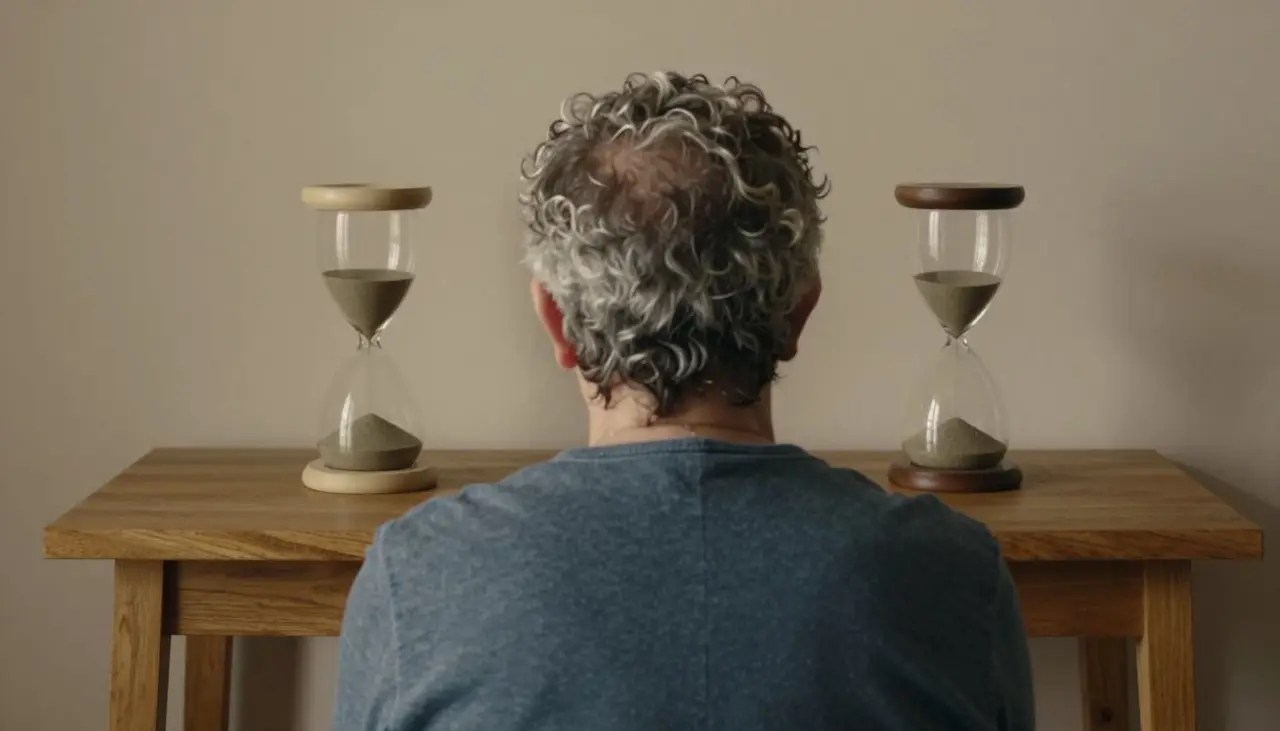
A single alcohol craving is usually short. The season of cravings can last much longer.
That distinction matters. One urge can rise, peak, and pass in minutes. But urges can keep showing up on and off for weeks after you cut back or stop, and sometimes a random one appears months later. The pattern usually thins out unevenly rather than ending on a clean date.
How long does one alcohol craving last?
One urge is more like a wave than a weather system. NIAAA's Rethinking Drinking guide describes urges as normal, typically short-lived, predictable, and controllable. That is why many craving tools focus on riding out the immediate window instead of arguing with the urge forever.
In real life, the short-lived part can be hard to believe while the urge is loud. A craving feels as if it is reporting the future: you will feel this way until you drink. It is not. It is reporting the current spike.
The practical move is to delay the decision long enough for the spike to change shape. Eat something. Leave the room. Walk outside. Shower. Text a person. Set a timer. You are not trying to become a new person in ten minutes. You are trying to prove the urge has a crest. A paced breathing technique while the craving crests is one way to keep your attention busy for exactly that window.
Why am I still getting cravings two or three weeks in?
Because the cue map is still alive. Week two or three cravings do not mean cutting back is failing.
Alcohol patterns are tied to time, place, emotion, and body state. The brain learns that Friday means a certain drink, finishing work means a certain pour, loneliness means a certain stop at the store, and anxiety means a fast exit from feeling. When the drink changes, those cues do not all disappear on schedule.
There is also a deeper reason. NIAAA's Core Resource on the brain describes how, with repeated heavy drinking, the brain's reward side comes to deliver less while its stress side runs hotter. When drinking goes down, the brain and body have to re-balance reward, stress, sleep, and routine. That is not an instant edit.
So if the first week felt oddly easy and the third week feels louder, that can be part of the normal unevenness. A quiet day does not mean cravings are gone forever. A loud day does not mean they are back for good.
Do cravings get less intense over time?
For many people, yes, but not in a straight line.
The first change is often frequency. The urge still hits, but not every night. Then intensity changes. The craving is still there, but it has edges; you can talk over it, walk through it, or wait it out. Later, the surprise changes. You stop treating every urge as a verdict on whether the cutback is real.
Research on recovery after abstinence gives a wider frame. A systematic review of longitudinal studies found measurable recovery in neuropsychological function across weeks to months among adults with alcohol use disorder. That does not promise your personal craving timeline. It does support the plain idea that brain-level recovery is measured across more than a few days.
This is why a cravings calendar can be more useful than a cravings mood. If you only judge from the loudest night, you miss the quieter pattern.
Why do random cravings show up months later?
Because cues can sleep.
A wedding toast, a hotel bar, a summer porch, a bad review at work, a certain airport, a certain song: old associations can wake up long after the daily urge has calmed down. That does not mean you are back at the beginning. It means a specific cue still has a charge.
The right question is not "Why is this happening after all this time?" The better one is, "What did this cue remember?"
Once you know that, the urge becomes more legible. It might be celebration, loneliness, relief, grief, boredom, conflict, or permission. Different cues need different responses. A celebration craving might need a replacement ritual. A grief craving might need another person. A boredom craving might need motion.
What if cravings are rarer but still intense?
That is still progress.
People often expect improvement to mean every craving gets smaller at the same pace. Sometimes the first win is fewer total urges, not gentler ones. You may go several quiet days and then get one hard wave that feels out of proportion.
Do not score the whole month by the loudest hour. Score the pattern. If the urges are less frequent, shorter, easier to name, or less likely to turn into drinking, something is changing.
The skill is learning not to treat intensity as prophecy. A strong urge can still pass.
What makes cravings last longer?
Ongoing triggers keep the map fresh. So do poor sleep, skipped meals, stress, isolation, and staying in the same routine while asking the routine to produce a different ending.
Some people also keep cravings alive by treating every urge as a private moral trial. That makes the night heavier than it needs to be. An urge is information. It is not proof that you secretly want to undo everything.
What tends to thin cravings out is practice: changing the cue, naming the pattern, delaying the first action, eating before the old drinking window, sleeping enough to give the brain a chance, and noticing which urges actually pass when you do not feed them. Answering the urge with a drink keeps the map fresh in the same way — when a beer makes the craving go away, that relief is the loop closing, not evidence the craving needed alcohol to end.
For more in-the-moment help, see what to do when you crave alcohol, the difference between a craving and a thought about drinking, and when your cravings come at the same time every day.
When should cravings become a clinician conversation?
Talk to a clinician if cravings feel unmanageable, if you keep drinking more than you intend, if urges are paired with feeling physically unwell when you do not drink, or if coping strategies are not making progress after a few weeks.
That is not a willpower failure. It is a sign the pattern may need more structure than private effort can give it.
The shortest answer still holds: one craving is short; the craving season is longer; week-two and week-three urges are common; and no fixed date can promise the end.
This article is general education, not medical advice or withdrawal guidance; if you drink heavily every day, talk with a licensed clinician before cutting back sharply — and if cutting back brings shaking, confusion, or feeling severely ill, treat that as an emergency: call 911 or go to the ER.
- Understanding your drinking
When a Drunk Loved One Threatens You
If a drunk loved one threatens you, safety comes first. Leave if you can, call 911 for immediate danger, and reach a domestic violence hotline from a safe device.
- Hangovers & the day after
Why Alcohol Gives You 'The Spins' — and What the Room Is Actually Doing
Why the room can feel like it is spinning after drinking, how the inner ear and fast-rising alcohol effects fit in, and when symptoms point to alcohol poisoning.
- Helping someone who drinks
Is There a Medication to Help My Husband Stop Drinking?
Yes — three are FDA-approved, and a regular family doctor can prescribe them. Why almost nobody is offered one, and how to raise it without it landing as a verdict.
- Cravings & triggers
Does Exercise Help With Alcohol Cravings? What Movement Can Do
Exercise won't cure an alcohol craving, but it can carry you through the few minutes it's loudest. Why a ten-minute walk beats a workout plan, and when to move.
- Hangovers & the day after
How Long Do Hangovers Last?
Hangovers last up to about 24 hours, and most clear well before that. What stretches one out — how much, how fast, how late — and when it's a bigger signal.
- Body & physical health
Alcohol, Keto, and Fasting: What Drinking Does to the Metabolic Goal You're Chasing
You can drink alcohol on keto, but your liver clears the alcohol first and ketosis waits. Why low-carb drinks still count — and why a fast makes them hit harder.


Be the first to hear when Clero launches.
Join with email only. Clero is still in development, so this is educational content today — not treatment, a prescription request, or medical advice.
First to hear at launchLaunch news only — no spamUnsubscribe anytime