
How Long Do Hangovers Last?
Hangovers last up to about 24 hours, and most clear well before that. What stretches one out — how much, how fast, how late — and when it's a bigger signal.
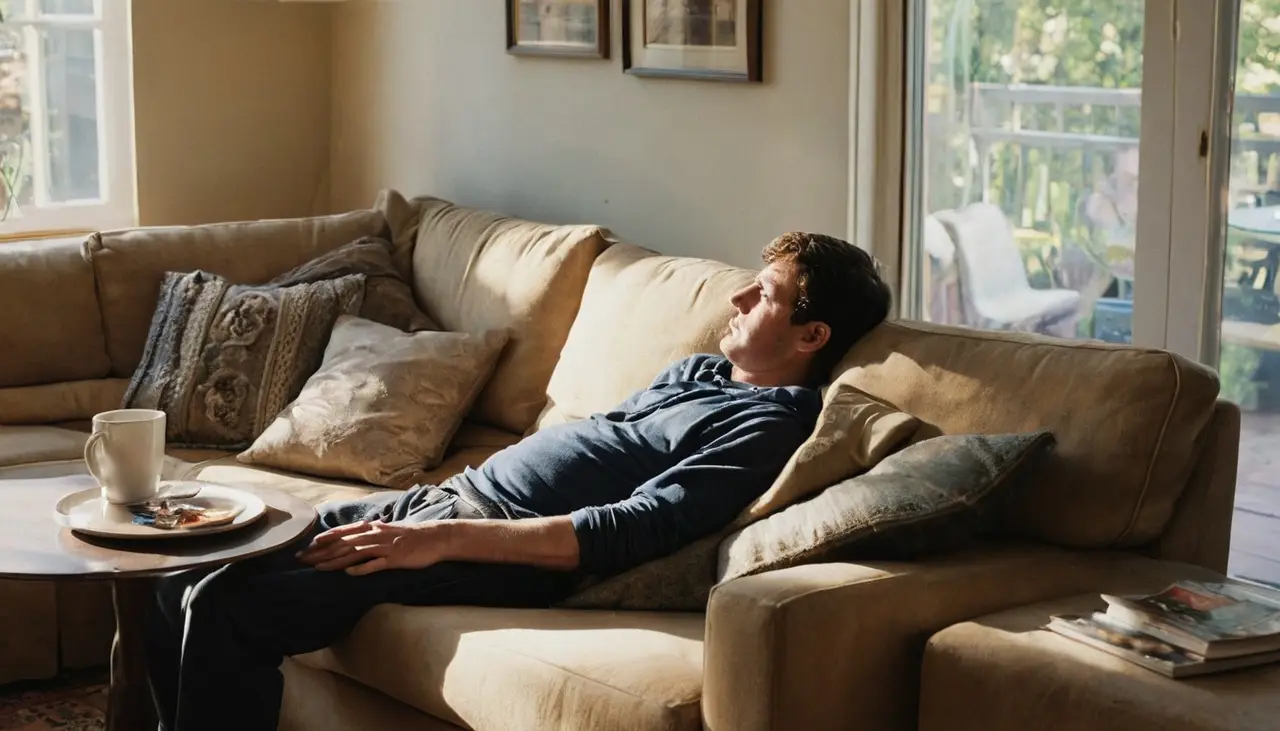
A hangover can last up to about 24 hours. NIAAA describes hangover symptoms as setting in once blood alcohol concentration falls, and it puts the outer edge of a typical hangover at roughly a full day.
Most clear well before that — a few hours after a light night, most of the next morning after a heavier one — but 24 hours is the figure worth anchoring to, because symptoms that stretch well past it are no longer a routine hangover question. The symptoms themselves keep no fixed clock: NIAAA lists fatigue, weakness, headache, nausea, thirst, low mood, and trouble paying attention as the usual set, and any of them can fade in hours or drag toward that outer edge. The window is not only about discomfort — NIAAA notes that attention, decision-making, and coordination can stay impaired through a hangover, enough to affect driving or operating machinery until it clears.
The clock is tied to blood alcohol concentration. A hangover begins as BAC falls back toward zero, which is why the worst of it tends to land the morning after rather than during the drinking itself. The higher that peak concentration climbed the night before, the more alcohol the body still has to clear — so heavier, faster drinking both delays when symptoms start and stretches how long they run. That link between peak BAC and recovery time is why "how much and how fast" predicts a hangover's length better than almost anything else.
What stretches a hangover
Amount drives most of the spread, and it is measured in standard drinks, not glasses. A U.S. standard drink is 0.6 fluid ounces, or 14 grams, of pure alcohol. A large home pour, a strong cocktail, or a tall craft beer can each count as more than one, so an evening that felt like three drinks may have been five or six by that measure. When a hangover feels out of proportion, the count is the first figure to recheck.
Pace matters about as much as the total. NIAAA marks binge drinking as the pattern that typically pushes blood alcohol to 0.08 percent or higher — often 5 or more drinks for men, or 4 or more for women, in roughly two hours. That 0.08 percent is a way to label one high-intensity pattern, not a harm line that flips on at a set point. The same total spread across a longer evening reaches a lower peak, and a lower peak tends to leave a lighter next-day imprint.
Timing compounds both. Drinking that runs late pushes the BAC peak into the small hours and folds recovery into fewer hours of already-degraded sleep, so a late night and an early morning can make an average hangover feel like a long one even when the count was not extreme. What you do in that window before lying down changes less than people hope — before bed after drinking too much sorts the one part that matters, the safety check, from the folk remedies that do not.
After amount, pace, and timing, the rest is individual and unquantified. Alcohol can bring on sleep while making it less restorative, so a full night in bed can still end in a foggy morning. Food, hydration, illness, medications, stress, and age each shift the picture. That is why the same number of drinks does not produce the same hangover twice. What those factors act on is a pile-up rather than one mechanism — what actually causes a hangover separates the parts.
When a long hangover is more than a hangover
A hangover measured in hours is ordinary. Symptoms that outlast the day, keep worsening, or show up after far less alcohol than before are a different signal. Same-day clinical help is the right call when vomiting will not stop, fluids will not stay down, pain is severe, or fainting or chest pain appears. When confusion, hallucinations, seizures, or severe shaking follow stopping or cutting back after heavy drinking, that is not a hangover and not something to sort from a search result — call 911 or go to an emergency room.
There is also a pattern worth tracking, separate from any single rough morning. Hangovers that keep getting longer, arrive after less alcohol, or come alongside blackouts, injuries, missed obligations, or morning drinking are worth writing down plainly and raising with a licensed clinician. If a stretch without alcohol has ever brought on shaking, sweating, or confusion, that points toward withdrawal, and a clinician should help plan any change rather than stopping cold, because abrupt stops can be dangerous after heavy daily drinking. For anyone without a clinician to start that conversation, Clero connects people with a licensed clinician by telehealth to talk it through.
What the numbers do not settle
One figure does not exist: a proven cure. NIAAA is direct that there is no scientifically validated hangover remedy — no supplement, pain reliever, hydration product, or IV drip shortens the underlying impairment. Time is the only reliable clearer, because the body needs roughly the same span to process the alcohol and its aftereffects no matter what is taken alongside. Comfort measures can change how a morning feels; none move the clock.
The "two-day hangover" people describe usually reflects a heavier episode's leftover fatigue, broken sleep, or stomach upset rather than a genuine 24-hour-plus toxic effect — drinking and your energy the second day after walks through why day two can feel flatter than day one. Symptoms that truly continue past a day, or worsen instead of easing, cross from a duration question into a clinical one.
The usable number stays the same: up to about 24 hours fits the ordinary hangover window, set mostly by how much and how fast the drinking happened. A pattern that runs longer, lands harder, or arrives with red flags is information to act on, not a longer hangover to wait out.
This is general education, not medical advice or a treatment plan. If symptoms are severe, look like withdrawal, or feel unsafe, call 911 or go to an emergency room; for confidential help finding treatment, SAMHSA's National Helpline is available at 1-800-662-HELP.
- Cravings & triggers
How Long Do Alcohol Cravings Last? The Single Urge, the First Weeks, and the Long Tail
A single urge crests and passes in minutes; the season of cravings runs for weeks and thins unevenly. Why week three can feel louder than week one.
- Helping someone who drinks
How to Help a Friend Who Drinks Too Much (Without Blowing Up the Friendship)
One private talk at sober hours beats a perfect speech: observe, ask, offer, step back. What to say, which resources to name, and where a friend's influence ends.
- Hangovers & the day after
Why Alcohol Gives You 'The Spins' — and What the Room Is Actually Doing
Why the room can feel like it is spinning after drinking, how the inner ear and fast-rising alcohol effects fit in, and when symptoms point to alcohol poisoning.
- Understanding your drinking
Starting Counseling for Yourself About a Loved One’s Drinking
Tell the counselor you want support for yourself about a loved one’s drinking. Prepare a short inquiry, privacy questions, and your own appointment agenda.
- Family & relationships
Should You Serve Alcohol When a Family Member Is in Recovery?
Ask your relative privately, then explain the alcohol plan before they accept. Weigh hosting options, protect their privacy, and make opting out easy.
- Body & physical health
How Long Does Alcohol Stay in Your System? The Honest Math
Alcohol leaves your system on the liver's schedule — coffee, showers, and sleep don't speed it up. Why feeling sober isn't proof, and why test windows differ.


Be the first to hear when Clero launches.
Join with email only. Clero is still in development, so this is educational content today — not treatment, a prescription request, or medical advice.
First to hear at launchLaunch news only — no spamUnsubscribe anytime