
Breathing Techniques for Alcohol Cravings and Stress: A Practical Guide
Breathing can create a pause during stress or an alcohol urge, but it is a coping tool, not treatment. Try a comfortable Pause–Name–Move reset.
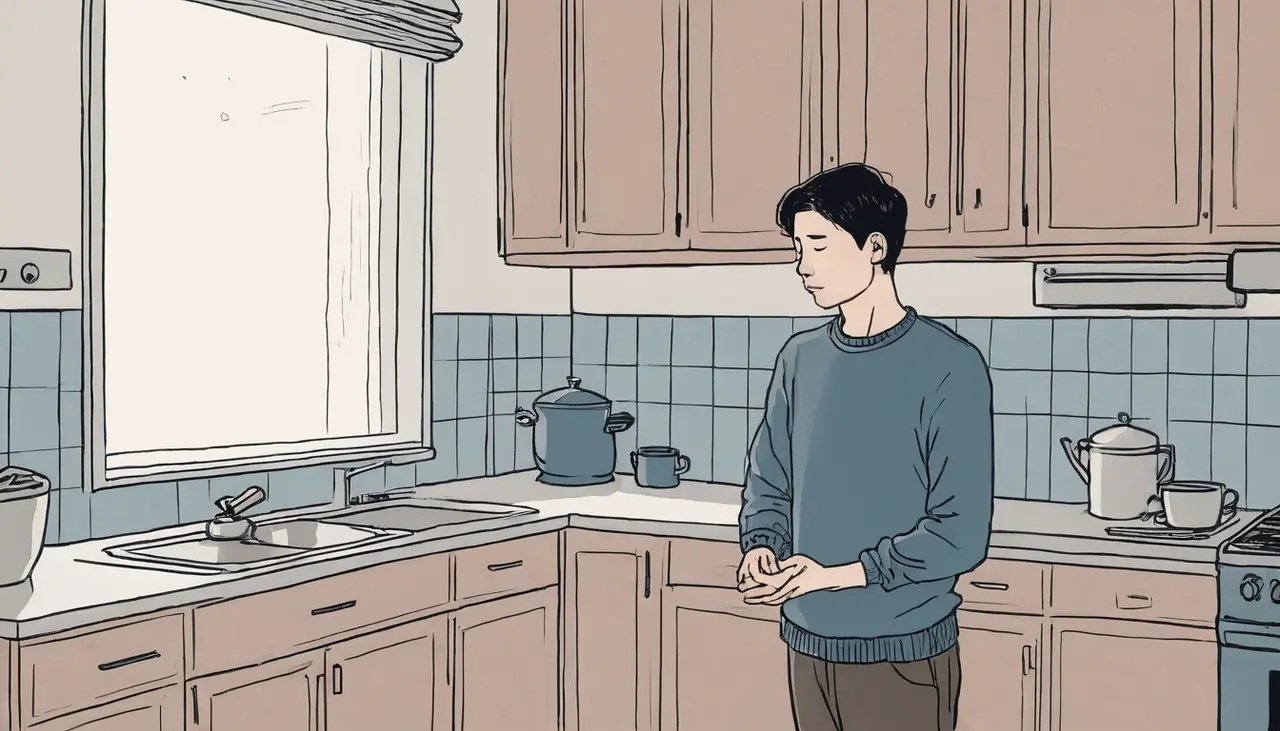
The craving arrives right as the day lets go. Laptop shut. Kitchen light on. One part of you wants relief fast, and the old shortcut is already standing there in your mind. Sometimes what shows up is only that shortcut — a thought about drinking rather than a craving — and the pause works on either one.
Breathing will not treat alcohol use disorder or erase an urge. It can be a brief pause while you decide what to do next. That modest job is worth keeping separate from the larger claims often attached to breathwork.
The Pause–Name–Move reset
Rethinking Drinking, from the National Institute on Alcohol Abuse and Alcoholism (NIAAA) describes urges as normal when someone changes their drinking and often short-lived, predictable, and controllable. It recommends recognizing triggers, reminding yourself why you want to change, talking with someone you trust, distracting yourself, riding the urge out, or leaving a tempting situation.
Pause–Name–Move turns those choices into three steps you can remember in the kitchen or after a difficult meeting:
- Pause: take an easy breath without forcing a pace or holding it.
- Name: say what is happening and what you want alcohol to change.
- Move: make one concrete change before deciding whether to drink.
Breathing is only the pause. The useful part is what the pause lets you notice and do.
Pause at a pace that feels ordinary
The Substance Abuse and Mental Health Services Administration (SAMHSA) includes a demonstrated breathing exercise among its stress-management and self-care resources. That supports a modest use: breathing as a way to direct attention during stress. It does not establish a special inhale-to-exhale ratio, a required number of repetitions, or a treatment for alcohol cravings.
Try one ordinary inhale and an unforced exhale. If another comfortable breath follows, take it. You may count simply to keep your attention in the room, but there is no score to hit. If slowing or counting your breath makes you dizzy, panicky, or trapped, stop. Open your eyes, breathe normally, and move to the next step without trying to master a technique.
This version also travels well. It does not require closing your eyes, lying down, or finishing a sequence. You can use it before opening the fridge, while sitting in a parked car, or after stepping out of a tense conversation.
Name the job you gave the drink
Ask, “What do I want to feel different five minutes from now?” The answer may be less tense, less lonely, less angry, less bored, or simply off duty.
Then make the sentence specific: “I want the first drink to end the workday,” or “I want it to make this room easier.” Naming the job does not make the urge disappear. It stops the urge from masquerading as the only available response.
The distinction between stress and an alcohol cue matters. If the urge appears whenever work ends, while cooking, or after a particular text exchange, the setting may be doing part of the prompting. Breathing cannot change the setting. It can give you enough space to change your location or next action.
Move something you can actually change
Choose one action that answers the job you just named. If you are hungry, eat. If the room is the cue, leave it. If you need the workday to end, shut the laptop and change clothes. If you want contact, send one direct message rather than waiting for someone to guess.
You can also set a short delay that feels realistic and decide again afterward. During that interval, put the alcohol out of reach, pour something else, take a shower, or walk around the block. The point is not to prove that you can suppress an urge. It is to replace one automatic move with a choice you can observe.
If the urge is still there, that is information rather than a failed breathing exercise. Note the trigger, the action you tried, and what happened next. Over several episodes, that record can show whether the same cue keeps returning and whether you need a stronger plan for it.
Rehearse the sequence when nothing urgent is happening
You do not need a daily breathwork routine. Pick one ordinary transition—the car parked after work, the kettle starting, the laptop closing—and walk through Pause–Name–Move once.
Take a comfortable breath. Name the state in plain language: “I am tense and I want the workday to feel over.” Then make a small move that matches it: change clothes, eat something, step outside, or send the message you have been postponing. The exercise is not about producing calm on command. It is practice noticing the handoff between a feeling and the familiar pour.
Keep the rehearsal honest. If the same cue leads to drinking anyway, write that down too. A useful record includes the urge, the setting, what you tried, and what followed. It gives you something specific to take to a clinician or counselor instead of the broad sentence, “I have no self-control.”
It also keeps one difficult evening from becoming the whole story.
Know when the tool is too small
NIAAA advises talking with a healthcare professional when urges remain very difficult or coping strategies have not helped after a few weeks. A breath practice should not carry the whole job of treatment. A clinician can help assess the drinking pattern and discuss behavioral support, medication, or a different level of care.
Breathing is also never a withdrawal plan. For a concrete reference point, federal NIAAA guidance calls 4 or more drinks in a day or 8 or more in a week heavy drinking for women; for men, the figures are 5 or more in a day or 15 or more in a week. The count does not predict withdrawal, but a regular pattern in that range is a reason to ask a clinician before making an abrupt change.
If cutting back brings shaking, sweating, or a racing heartbeat, stop treating the moment as a breathing exercise. And if a seizure, fever, severe confusion, hallucinations, or an irregular heartbeat appears, call 911 or go to an emergency room — MedlinePlus puts those signs well past the point where any coping tool applies.
For other ways to respond to the moment, see a cutback body scan, dealing with triggers, and emotional triggers and alcohol.
Breathing is an optional coping tool, not alcohol treatment; plan an abrupt change from regular heavy drinking with a clinician, and use 911 for severe withdrawal symptoms.
- Mind & mood
Managing Stress Without Alcohol: Practical Ways to Get Through the Urge
A planned pause can interrupt stress drinking. Try a ten-minute detour, identify the trigger, and choose another way to mark the end of the day.
- Cravings & triggers
Morning Routines That Replace Drinking Cravings
A morning routine can blunt drinking cravings before they build: water and light on waking, protein, one sentence about tonight. The five-move First-Hour Reset.
- Mind & mood
How to Stop Using Alcohol as a Crutch (Without Pretending You Don't Need One)
A practical replacement plan for relief drinking: name the load, build a substitute, and reduce the pour without shame.
- Cravings & triggers
A Craving Management Toolbox That Is Not Just Willpower
A craving management toolbox is a few pre-chosen moves for when the urge is loud. Five handles: delay, distance, body state, support, and a next-morning reset.
- Social events & holidays
How to Handle Pride Events When You're Cutting Back on Drinking
A practical Pride Month pacing guide for brunches, parades, block parties, clubs, and house gatherings when you want the day to include less alcohol.
- Quitting & sobriety
Build a Strong Relapse Prevention Plan
A non-shaming pattern-map approach to relapse prevention planning, focused on cues, support contacts, and what a personal plan can and cannot do.


Be the first to hear when Clero launches.
Join with email only. Clero is still in development, so this is educational content today — not treatment, a prescription request, or medical advice.
First to hear at launchLaunch news only — no spamUnsubscribe anytime