
Dealing With Triggers in Recovery: A Working Playbook
A practical playbook for recognizing external and internal alcohol triggers, planning around them, and using slips as information.
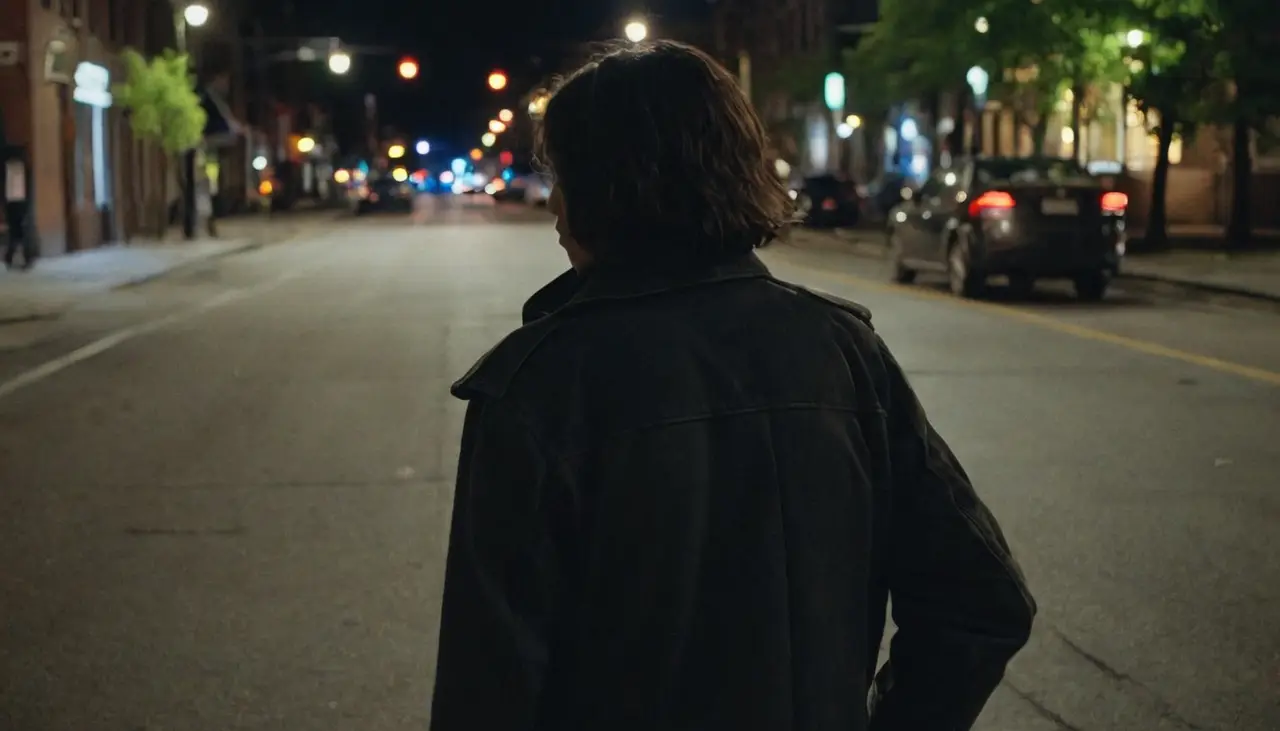
You thought the hard part was deciding to change. Then the old hour arrives, or the same person texts, or a feeling comes up with no name on it, and the decision suddenly has to be made again.
That is what triggers do. They make an old route feel available before the new one has time to stand up.
The Two-Map Trigger Plan
NIAAA separates triggers into two useful groups. External triggers are people, places, things, or times of day that offer drinking opportunities or remind you of drinking. Internal triggers are urges that seem to pop up by themselves but often trace back to a feeling, sensation, or thought when you pause to look.
The Two-Map Trigger Plan keeps those separate:
- Outside map: what you can see coming.
- Inside map: what you only notice once it is happening.
You need both. Avoiding every hard place turns life into a bunker. Pretending every trigger is an inner mindset problem ignores the fact that some rooms, people, and hours are genuinely loaded.
Map the outside triggers first
Start with the predictable ones. People. Places. Objects. Times. The after-work hour. The route past the store. The family kitchen. The sports bar. The friend who opens a bottle before asking.
For each one, write one move:
- Change the route.
- Arrive with a drink already in hand.
- Leave before the second round.
- Keep alcohol out of the most automatic room.
- Tell one person the event is a short visit.
The point is not to avoid life. It is to remove the easiest slide. A trigger plan should make the first drink less convenient, less automatic, or less socially pre-loaded.
Map the inside triggers next
Internal triggers are harder because they can wear normal clothes. Boredom. Relief. Anger. Being proud of yourself. Being lonely. Feeling criticized. Feeling like nothing matters after one rough night.
When an urge seems random, ask three plain questions:
- What happened in the last hour?
- What feeling am I trying not to feel?
- What would make the next ten minutes easier without drinking?
The answer may be unimpressive: food, quiet, movement, a text, a shower, a different room, or going to bed early. Good. A trigger plan is allowed to be ordinary.
Recognize, avoid, cope
NIAAA's recognize-avoid-cope approach comes from cognitive behavioral therapy and focuses on changing unhelpful thinking patterns and reactions with practice.
Here is the sequence in plain language:
- Recognize: "This is the Friday ride home trigger," or "This is the shame-after-an-argument trigger."
- Avoid: If the trigger can be skipped without shrinking your life too much, skip it for now.
- Cope: If it cannot be skipped, decide the move before you are in it.
Coping is not a personality trait. It is a script plus a setting plus something for your body to do. For one person, that is leaving a party before dessert. For another, it is breathing in the car for two minutes before walking inside. For another, it is eating dinner before answering texts.
Write the two-line version
A trigger plan you cannot remember under pressure is too large. Write it as two lines:
"When I am triggered by ___, I usually want to ___. My first safer move is ___."
Examples:
- When I am triggered by the five p.m. work-from-home hour, I usually want to pour before dinner. My first safer move is shoes on, ten-minute walk, then food.
- When I am triggered by family comments, I usually want to drink to stop reacting. My first safer move is leave the room and text one person.
- When I am triggered by a slip, I usually want to give up for the night. My first safer move is stop at the next drink, not Monday.
That last one matters. A trigger winning once is data. It tells you where the plan was thin.
When a trigger wins anyway
Do not turn a slip into a verdict. Ask a better question: what opened the door?
Was it the place, the person, the time, the feeling, the lack of food, the lack of exit, or the private story that "I already ruined it"? One useful sentence beats a whole trial. "The trigger was being alone after everyone went to bed." "The trigger was arriving hungry." "The trigger was wanting the family comment to stop mattering."
Then adjust the map. One changed detail is enough.
If you cannot avoid the trigger
Some triggers are not optional. Family events, childcare routines, work dinners, grief days, airports, and shared homes cannot always be skipped. In those cases, the plan changes from avoidance to containment.
Containment means you narrow the hard part. Decide the hour you are guarding, the person you will text, the drink that will be in your hand, the room you can step into, and the line that ends the conversation. You are not trying to make the whole event easy. You are giving the hardest corner a railing.
The same approach works for internal triggers. If sadness, anger, or boredom keeps arriving with an urge, do not demand that the feeling disappear. Give it a smaller job: ten breaths, food, shoes on, phone call, shower, early bed. The trigger may still be there. It no longer gets the whole night.
When to get more support
If triggers feel overwhelming, if you keep drinking more than planned, or if not drinking feels physically unsafe, get more help than a plan can provide. SAMHSA's National Helpline is a free, confidential, 24/7 information service for people facing substance-use challenges.
For deeper pages, see emotional triggers and alcohol, the five p.m. trigger when you work from home, the after-bedtime trigger, how to handle alcohol cravings and urges, and breathing techniques for cravings and stress.
FAQ
Are triggers the same as cravings?
Not exactly. A trigger is the cue or state that starts the pull. A craving is the urge that follows. Naming the trigger gives you one more place to change the sequence before the urge decides for you.
Does a trigger plan mean I can never go back to certain places?
No. Some places may need a pause while the new pattern is fragile. Others may need a specific plan. The goal is not permanent avoidance of ordinary life; it is enough structure to keep one predictable cue from running the night.
This article is general education, not medical advice or a recovery program. If changing your drinking after heavy daily use brings withdrawal symptoms, talk with a licensed clinician urgently or call 911 for confusion, hallucinations, seizures, or severe symptoms.
- Quitting & sobriety
How To Stay Sober After Recovering From Alcoholism
A maintenance-focused explainer for staying sober after alcohol problems, using non-stigmatizing language and no relapse prediction or prescribed path.
- Mind & mood
How to Stop Using Alcohol as a Crutch (Without Pretending You Don't Need One)
A practical replacement plan for relief drinking: name the load, build a substitute, and reduce the pour without shame.
- Cravings & triggers
How to Handle Alcohol Cravings and Urges
A practical toolkit for the moment a craving hits: spot your triggers, set up your environment, and use simple delay, distract, and ride-it-out tactics from NIAAA.
- Medication & treatment
How to Drink Less Without AA: A Practical Cutback Framework for People Who Aren't Doing a Program
Drinking less without AA works best as four weekly jobs: measure honestly, plan a number, prepare for the hard moment, and check in.
- Social events & holidays
How to Handle Pride Events When You're Cutting Back on Drinking
A practical Pride Month pacing guide for brunches, parades, block parties, clubs, and house gatherings when you want the day to include less alcohol.
- Quitting & sobriety
Delirium Tremens: What It Is and How to Treat It
A 911-first explanation of delirium tremens, why DTs are a medical emergency, and why treatment belongs in clinical care.


Be the first to hear when Clero launches.
Join with email only. Clero is still in development, so this is educational content today — not treatment, a prescription request, or medical advice.
First to hear at launchLaunch news only — no spamUnsubscribe anytime