
How to Handle the After-Bedtime Trigger When the Kids Are Asleep
The pull to pour once the kids are asleep is a habit cue, not weakness. Reset the first twenty minutes of the night and the automatic drink loses its runway.
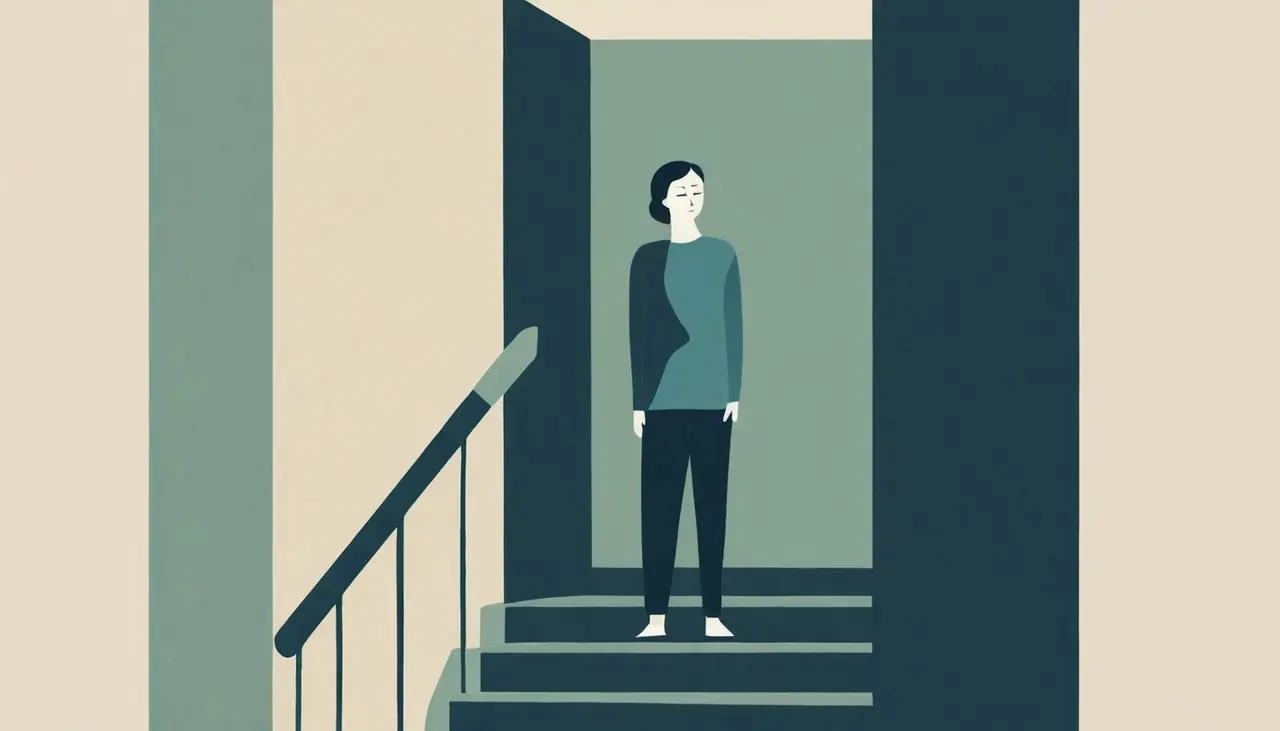
The last door clicks shut. The hallway goes quiet for the first time since six in the morning. You exhale, and your feet are already carrying you toward the kitchen before you've decided anything — the fridge, the cabinet, the glass that lives by the sink. The day is finally over, and the pour is how you say so.
You are not weak for wanting that hour. The pull toward it is not a character flaw to white-knuckle through. After a full shift of being needed, the body wants a hard switch into "mine," and alcohol has learned to be the switch — reward, decompression, the off-ramp from the mental load, all in one move. The trouble is narrower than it feels: one specific stretch of that hour runs on autopilot. So here is a small, repeatable tool aimed at exactly that stretch: the First-Twenty Reset.
How the autopilot actually works
Think of the after-bedtime hour as a room you walk into every night. Right now the room is already furnished — same chair, same lighting, same open bottle on the same counter — and the furniture decides what you do before you've had a conscious thought about it. That's a cue firing a habit, the way a green light moves your foot off the brake.
The Reset works because you only have to refurnish the doorway, not the whole house. The first twenty minutes after the last child is asleep set the shape of the rest of the night. Change those, and the automatic first drink loses its runway. You're not redesigning parenthood. You're moving one chair.
And the pour itself is nothing unusual. The after-bedtime drink is one of the most ordinary patterns there is, and ordinary patterns are exactly the kind you can reshape.
Step 1: Map your first twenty minutes
Before you change anything, watch one night like a stranger. The goal is to find the cue.
What actually happens in the twenty minutes after the door closes? Do you walk straight to the kitchen? Is the bottle already open from last night? Does a partner pour for both of you out of habit? Same chair, same scroll, same losing track of time? Is the first quiet minute also the loneliest one? While you're watching, measure the pour too: a U.S. standard drink is 0.6 fluid ounces, or 14 grams, of pure alcohol — worth knowing as a counting unit, because a "glass" of wine is often two, and counting is what keeps a most-nights pattern from disappearing into routine.
Do it now: tomorrow night, just narrate the first twenty minutes to yourself without changing them. Naming the cue is most of the work.
Step 2: Furnish the doorway first
Once you know the cue, put something else in its place — and have it ready before fatigue makes the decision for you. The replacement has only one real requirement: it has to already be there at 8:45.
Change the lighting the moment bedtime ends. Make tea, water, or a snack the first automatic move instead of the pour. Cue up a show, a podcast, a call, or a hot shower for that opening stretch. Sit somewhere that isn't the usual drinking chair. Step outside for one minute before you ever enter the kitchen.
Do it now: pick one of these and physically set it up tonight — fill the kettle, leave the book on the good chair — so the doorway is already furnished when you reach it.
Step 3: Trade the signal, not the rest
Here's the language reframe worth carrying out of this whole piece: you're not giving up your hour, you're changing what the hour is made of. The end-of-shift ritual stays. The signal just gets swapped.
If fatigue is the real trigger, the honest move some nights is to go to bed earlier rather than to engineer the perfect alcohol-free evening. Alcohol near bedtime speeds you into sleep but then makes the second half of the night lighter and more broken, so the "wind-down" drink often quietly costs you the rest it promised. Trading it for actual sleep is a fair trade.
Do it now: name the one job your first drink does most nights — reward, quiet, or off-switch — and give that exact job to something else for one evening.
Step 4: Say one low-pressure line (if it's a shared pour)
If the after-bedtime drink is something you and a partner do together, changing it can feel like changing the relationship's rhythm. You don't have to ask anyone else to change to make a change for yourself.
One sentence is usually enough: "I'm trying to make the first drink less automatic after bedtime, so I'm starting with tea tonight." It's a note about your own pour, not a request. If the hour is a solo-parent one instead — relief and loneliness in the same quiet house — the move is an outside anchor: a sibling check-in, a friend's voice memo, a scheduled call. The point is to keep the bottle from being the only company the quiet has.
Do it now: draft your one line, or pick one person to text tomorrow, before the quiet sets in.
When one rough night isn't a verdict
Some nights the Reset won't take. The day will have been too much, the kettle won't get filled, and you'll end up in the old chair with the old pour. That is not the tool failing and it is not you failing. It's one night. The pattern you're changing took months of repetition to set; it doesn't come undone or stay undone on a single evening. Refurnish the doorway again tomorrow.
There is also a version of this pattern the Reset alone shouldn't carry. If you drink daily, repeatedly pour more than you planned, black out, feel physically unsafe changing anything, or ever worry about caregiving safety, the doorway isn't the problem — those are reasons to talk with a licensed clinician. And if you have been drinking every day, don't stop suddenly on your own; stopping safely is itself something to plan with a clinician, not a solo project. For a free, confidential way to find local support, FindTreatment.gov lets you search by location, and the SAMHSA National Helpline at 1-800-662-HELP offers 24/7 referrals. If a structured self-help approach appeals to you, SMART Recovery is one named program built around coping with urges and cravings.
The one thing to keep
Pick a single new move and put it in the first twenty minutes after the last door closes — and set it up before the day has worn you down. That's the whole tool. The hour after bedtime can still be yours; the only question the Reset asks is whether the bottle has to be the thing that makes it feel that way. Tomorrow night, when the hallway goes quiet and your feet start toward the kitchen, you'll have somewhere else to put them.
If evening cravings are the wider pattern, evening alcohol cravings and how to build an evening routine without alcohol go deeper, and for the urge in the moment, how to handle alcohol cravings and urges is the full toolkit.
This article is general education about one common evening pattern — not medical advice, a diagnosis, or parenting guidance. If any part of your drinking feels bigger than a habit swap, that's a conversation for a licensed clinician who knows your situation.
- Quitting & sobriety
How do I stop drinking?
Stopping drinking starts with safety, not willpower. If you drink heavily every day or have had withdrawal symptoms, ask a clinician what level of care is safest before you stop suddenly. If you are medically stable, the next step is to choose support that matches your goal, privacy needs, and risk level: therapy, peer support, medication education, primary care, telehealth, outpatient treatment, or a higher level of care.
- Helping someone who drinks
How to Help an Alcoholic Who Doesn't Want Help
If he doesn't want help, the job is timing, safety, and a specific next step — not winning the label argument. What to try after the first ask fails.
- Social events & holidays
How to Handle FOMO When You're Cutting Back on Drinking
FOMO is rarely the whole night — it is the people, the place, the drink, or the feeling. Name which corner is hot, give it one small move, and set the phone down.
- Social events & holidays
How to Handle Thanksgiving When You're Cutting Back on Drinking
Thanksgiving is an all-day drinking cue: plan the timeline, family lines, and first sober holiday pressure before the table fills.
- Social events & holidays
How To Not Drink at a Party
A low-drama party plan for not drinking, built around the first round, the first question, and the first exit point.
- Cravings & triggers
How to Handle the 5pm Trigger When You Work From Home
The 5pm pour fills the gap your commute used to — work ends with one click and nothing marks it. Build a short airlock instead: leave the room, fake the commute.


Be the first to hear when Clero launches.
Join with email only. Clero is still in development, so this is educational content today — not treatment, a prescription request, or medical advice.
First to hear at launchLaunch news only — no spamUnsubscribe anytime