
Morning Routines That Replace Drinking Cravings
A morning routine can blunt drinking cravings before they build: water and light on waking, protein, one sentence about tonight. The five-move First-Hour Reset.
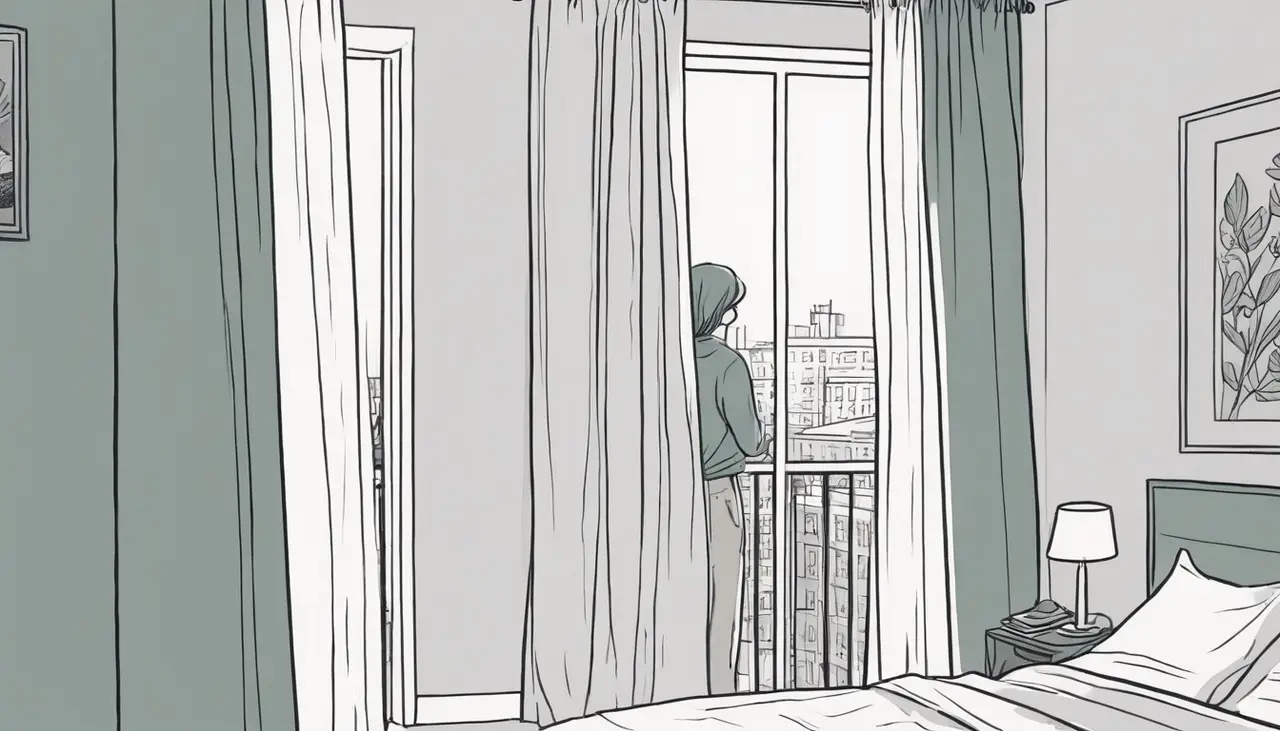
You're awake before you meant to be. The room is still gray, your mouth is dry, and the first clear thought of the day is already about last night's glass — or the one waiting at five. Nobody has said a word to you yet, and the pull is already in the room.
Here's the useful part. This hour, the quiet one before anything's been decided, is the one stretch of the day you can still steer.
That early pull isn't a character flaw, and it isn't proof you're weak. It's a cue doing exactly what cues do — showing up on schedule, hooked to a time and a feeling. You can't argue a cue out of existence, but you can change where it lands. What follows is a small, repeatable routine we'll call the First-Hour Reset: five moves for the first sixty minutes that set the day's thermostat before the day sets it for you.
Why the first hour has so much leverage
A craving isn't a straight line that climbs until you cave. It tends to spike and then ease, often within a few minutes — more like a wave that rises and drops than a rope pulling tighter. Wait it out even a little and you're usually working with a smaller feeling.
The morning matters because your body is primed to reach early. Alcohol scrambles the night before it helps you: it can put you under quickly, but it suppresses the dreaming (REM) stage of sleep in the first half of the night and leaves the second half broken and shallow, so you wake tired even after a full night in bed. And as the last of the alcohol clears, the nervous system it had been quieting swings the other way, rebounding into a revved, restless, faintly anxious state. Tired plus jittery is precisely the state that goes looking for the fastest relief it knows. The Reset works by reaching that first cue before the tired-jittery brain does.
Land before you reach
The first move is physical, not a decision. Before you weigh anything or negotiate with yourself, get your feet on the floor, water in your hand, and light on your face — a curtain open, a step outside, a minute at the window. None of this treats anything. It just interrupts autopilot and buys the wave a few seconds to crest and fall.
Do it now: put a full glass of water on the nightstand tonight, so tomorrow the first move is already set up and you don't have to think your way into it.
Steady the shake
Eat something with a little protein inside the first hour. A body running on a skipped breakfast and last night's rebound reads "empty and off" as "I need a drink," and by afternoon that first pour can feel like the first real relief of the day. A couple of eggs, yogurt, a handful of nuts — enough to take the edge off, not a diet plan.
Do it now: stock one no-effort breakfast you can eat half-awake, so the choice is already made when you're least able to make it.
Say what you want tonight
Write one plain sentence about the evening ahead. Not a vow, not a manifesto — a note to your future self. "Tonight I want to notice the first urge before I pour." One quiet swap helps here: instead of I have to get through tonight, try I get to try something different tonight. Same evening, less shame riding on it.
Do it now: write the sentence somewhere you'll actually see it around the time the old routine usually starts.
Move one cue
Change one physical thing this morning, while it's easy, so the evening's default is already different by the time you're tired and the wanting is loud. Willpower is weakest when the familiar option is sitting right in reach. Put the nonalcoholic drink at the front of the fridge; move the glasses to a high shelf; plan a route home that doesn't pass the store.
Do it now: rearrange one object or one plan before you leave the house. You're not proving strength — you're making the easier choice a little less loaded.
Book the kind review
Pick a time later — the next morning works well — to check how the day went, and decide now that it'll be a check-in, not a trial. When you look back, count in a way that gives you real information rather than a verdict. A U.S. standard drink is 0.6 fluid ounces, or 14 grams, of pure alcohol, and a pour at home is often more than one; that same reference counts a binge as roughly 5 drinks for men or 4 for women in about two hours. Numbers are for noticing, not for grading yourself.
Do it now: set one gentle reminder. Keep the sentence you learn something from — "the pull was strongest at 9" — and throw out the courtroom speech.
When the Reset isn't enough
One rough night doesn't erase a good run, and it isn't a verdict on you. Keep the piece of information and try again. But be honest about the routine's ceiling too. If your mornings actually involve drinking, or you feel shaky, sweaty, or genuinely unwell when you go too long without a drink, that isn't a willpower gap a checklist can close — it's your body signaling physical dependence, and stopping suddenly can be medically dangerous. That deserves medical guidance before you change anything on your own.
That conversation happens far less often than you might guess. In 2024, only about 7.6% of people with past-year alcohol use disorder received any treatment.
You don't have to build the coping part alone, either: learning to handle urges is one of the four points of a free program like SMART Recovery, which meets online. And if you'd want to talk the drinking itself through but don't have a clinician to start with, Clero connects you with a licensed clinician by telehealth to look at whether a medication for alcohol use disorder might fit alongside changes like these.
What to carry into tomorrow
Tomorrow the room will be gray again, and the pull may already be waiting in it. You won't win the whole day at 6 a.m. — you'll just set the thermostat: feet down, water, one sentence, one cue moved, one kind check-in booked. That's a day a little less automatic than the one before it, which over a week is most of the point.
Start with the glass of water by the bed. The rest of the Reset gets easier once the first move is already made.
This is general education, not medical advice. If drinking is part of your mornings or you feel physically unwell without it, talk with a licensed clinician before changing your pattern — stopping suddenly can be dangerous. For a seizure, severe confusion, or hallucinations, call 911 or go to an emergency room; if you're having thoughts of harming yourself, call or text 988; and SAMHSA's free, confidential helpline is at 1-800-662-HELP.
- Alcohol Education
Drinking on Vacation When You Are Trying to Cut Back
Vacation drinking spreads because the trip removes your routines — so build your own banks: a shape set before you pack, one alcohol-free hour a day, a reset plan.
- Alcohol Education
A 10-Minute Morning Routine To Ease Hangxiety Before Work
Hangxiety before work needs a fast shape: water and food, slow breathing, a small reset, and one plan for the first hour.
- Alcohol Education
Cutting Back When You Have a Roommate Who Drinks
You can cut back with a roommate who drinks without making it a household fight. Claim one fridge shelf, protect one hour, and keep your line to a sentence.
- Alcohol Education
How to Build an Evening Routine Without Alcohol
To build an evening routine without alcohol, replace the drink's real job: marking the switch from work to rest. Four moves you can run tonight.
- Alcohol Education
What to Eat When You Cut Back on Drinking: Steady-Energy Basics, Not a Diet
Eat before your old drinking window and build plates around protein — cravings hit hardest on an empty stomach. Plus why the sugar pull is normal.
- Alcohol Education
What does naltrexone cost for the Sinclair Method?
Naltrexone cost on the Sinclair Method breaks into four line items — prescriber visit, generic tablet fill, sometimes labs, and follow-up. What moves each price.


Be the first to hear when Clero launches.
Join with email only. Clero is still in development, so this is educational content today — not treatment, a prescription request, or medical advice.
First to hear at launchLaunch news only — no spamUnsubscribe anytime