
Drinking in the Morning: Signs To Consider
A non-diagnostic, safety-first guide to morning drinking patterns, especially drinking to feel normal, relieve symptoms, hide a pattern, or get through the day.
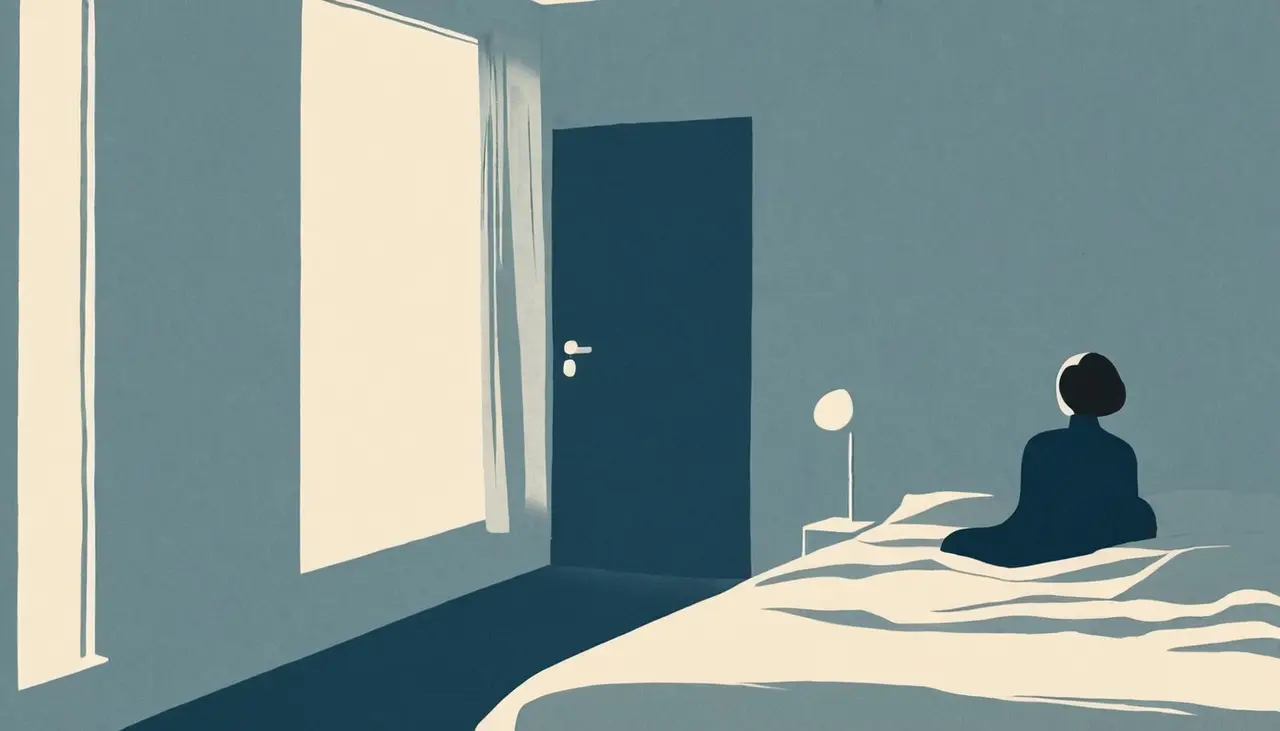
Morning drinking is worth taking seriously when the drink is there to make you feel normal, steady your body, get through work, hide the night before, or quiet symptoms that show up when alcohol wears off.
None of that means you have a diagnosis, and you do not need a label before you act on it. If the drink has not happened yet and what you are noticing is wanting a drink in the morning, that is the same signal arriving earlier. What it does mean is that drinking to function, or to relieve symptoms that surface when alcohol wears off, belongs in a clinician conversation rather than a private bargain with yourself.
Why does morning drinking get people's attention?
Because timing changes the meaning.
A mimosa at a brunch is one context. A hidden drink before work is another. A drink to stop shaking, calm panic, settle nausea, or make the body feel normal again is another category entirely.
MedlinePlus describes alcohol withdrawal symptoms as potentially including anxiety, shakiness, sweating, and nausea, along with more serious symptoms that need medical attention. If a morning drink is relieving symptoms like those, do not treat that as a willpower problem — treat it as medical information about how your body has adjusted to alcohol.
The safety point is direct: if you drink daily or need alcohol in the morning to function, talk with a licensed clinician before trying to quit or sharply cut back. Sudden changes can be medically risky for some people, because a body that has come to rely on alcohol can react badly when the alcohol is suddenly gone.
The patterns that make the signal louder
The signal gets louder when the morning drink has a job.
- Relief: it stops shakes, sweats, nausea, anxiety, or feeling physically wrong.
- Function: it helps you get through work, parenting, errands, or calls.
- Cover-up: it hides the smell, the hangover, or how much happened last night.
- Secrecy: it happens before anyone else sees the day start — the same privacy that makes drinking alone hard to read from the inside.
- Repair: it is used as "hair of the dog" after heavy drinking.
- Control loss: you meant to wait until later but did not.
None of those patterns proves a diagnosis by itself. Together, they make the question more serious than "Is morning drinking bad?"
Is this alcohol use disorder?
An article cannot diagnose that.
What it can say is that NIAAA describes alcohol use disorder as a medical condition involving impaired ability to stop or control alcohol use despite social, work, or health consequences. Morning drinking can overlap with that control question, especially when it is repeated, hidden, or tied to consequences.
The adjacent question is often, "Is it bad enough to tell someone?" If you are using alcohol to feel normal in the morning, the answer is yes: it is enough to tell a licensed clinician. You do not need a perfect label first.
What if I am embarrassed?
Embarrassment is common. It is also one reason people wait too long.
NIAAA names stigma as one of the consistently reported barriers to seeking help for alcohol-related concerns. That matters because private shame can make morning drinking feel like something to manage alone.
Do not let the shame write the plan. Write down what is happening in plain terms:
- "I drink before work."
- "I feel shaky until I drink."
- "I am hiding morning alcohol."
- "I tried to wait and could not."
- "I am scared to stop suddenly."
Those sentences are enough to start.
When does morning drinking need urgent help?
Most of the time, the right next step is a calm conversation with a clinician — not today, not a self-managed taper or detox, and not toughing it out alone. Some situations are past that line, though. If stopping or cutting back brings on confusion, hallucinations, seizures, severe shaking, chest pain, or fainting, that is a medical emergency — call 911 or go to an emergency room. Those are signs the body has become physically dependent on alcohol, and withdrawal at that level is dangerous to ride out on your own.
If you ever feel unsafe with yourself or are thinking about harming yourself, you can reach the 988 Suicide and Crisis Lifeline any time by calling or texting 988.
If it is not an immediate emergency but you want confidential routing to alcohol-related support, SAMHSA's National Helpline is available 24/7 at 1-800-662-HELP.
What can you do with the information?
Use it to make the first conversation more concrete.
Count in standard drinks if you can. NIAAA defines a U.S. standard drink as 0.6 fluid ounces, or 14 grams, of pure alcohol. Bring the clinician a plain picture: how much, how often, what time of day, what happens when you wait, and what symptoms show up.
You are preparing useful data.
If the first conversation feels too exposed, make it narrow: "I have started drinking in the morning, and I am worried about stopping safely." That one sentence gives a clinician the safety issue without requiring you to explain your whole history at once.
If you do not have a clinician to start with, Clero can connect you with a licensed one by telehealth to have that conversation.
The bottom line: morning drinking to feel normal, function, hide, or relieve symptoms is a high-signal pattern. It deserves a real safety conversation.
FAQ
Is drinking in the morning always a sign of alcohol use disorder?
No. A single context does not diagnose you. But repeated morning drinking, hidden morning drinking, or drinking to relieve symptoms is worth discussing with a licensed clinician.
Can I just stop morning drinking on my own?
If you drink daily, drink heavily, or feel physically unwell when alcohol wears off, ask a clinician before stopping or sharply cutting back. Withdrawal can be medically risky, and if a stretch without alcohol has ever brought on shaking, confusion, or a seizure, treat that as an emergency and call 911.
What if I only drink in the morning after a heavy night?
"Hair of the dog" can still be a signal if it repeats, hides the previous night's drinking, or makes the next episode easier to start. Treat the pattern as information.
This article is general education, not medical advice, a diagnosis, or a plan for quitting, tapering, detoxing, or managing withdrawal. Severe symptoms such as confusion, hallucinations, seizures, chest pain, fainting, or feeling unsafe with yourself need emergency help — call 911, or call or text 988.
- Understanding your drinking
8 to 12 Beers a Day
A safety-first guide to what an 8-to-12-beer daily pattern means in standard-drink terms, why it warrants clinician input, and why this page will not give a taper plan.
- Quitting & sobriety
Understanding Alcohol Withdrawal Symptoms and Treatment Options
A safety-first explanation of alcohol withdrawal symptoms, severe warning signs, and treatment categories without at-home detox instructions.
- Quitting & sobriety
Why Alcohol Withdrawal Can Get Worse Each Time
A safety-first explanation of alcohol withdrawal kindling, repeated quit-restart cycles, and when withdrawal symptoms need medical help.
- Understanding your drinking
What Happens If You Drink a Bottle of Wine a Day?
A number-first brief that translates a bottle of wine into U.S. standard drinks, explains why daily patterns matter, and routes safety questions to a clinician.
- Social events & holidays
Cutting Back on the Saturday Before Father's Day When You Already Feel It Coming
Why the Saturday before Father's Day can feel like its own cutback trigger, with a quiet planning frame and clinician-first safety routing.
- Body & physical health
Drinking Less for Better Sleep: What to Notice
A health-motivated guide to testing whether drinking less changes your sleep and mornings, without treatment claims.


Be the first to hear when Clero launches.
Join with email only. Clero is still in development, so this is educational content today — not treatment, a prescription request, or medical advice.
First to hear at launchLaunch news only — no spamUnsubscribe anytime