
Alcohol and Your Immune System
Alcohol can blunt the immune cells that swarm an infection, and heavier drinking blunts them more. Why colds linger, and the pattern to watch in lighter weeks.
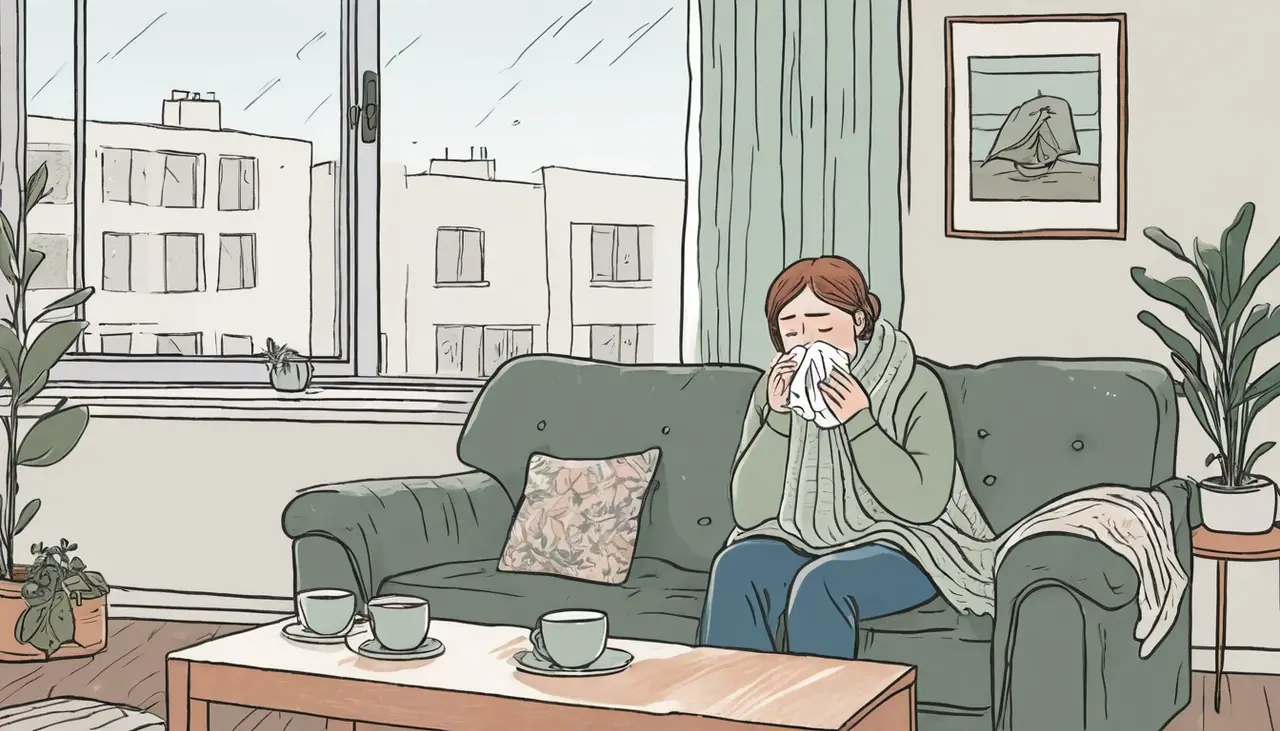
If it feels like you catch every cold that moves through the office, that a cold hangs on longer than it used to, or that the week after a few heavy nights leaves you run-down in a way that is not quite illness, the question underneath is a fair one: is drinking part of this? The honest short answer is that alcohol can blunt the body's defenses against infection, the effect is more pronounced the heavier and more regular the drinking, and it is one thread in a tangle that also includes sleep, stress, travel, and whatever is going around. Here is what is actually known, and how to tell whether it applies to you.
How alcohol touches the immune system
Your immune system is not a dial you turn up or down. It is a layered response: a fast, first-line crew that swarms anything foreign the moment it shows up, and a slower, learning crew that builds a targeted counterattack and remembers the threat for next time. Scientists call these two crews innate and adaptive immunity. Alcohol can interfere with both.
The clearest window into how is at the cellular level. A peer-reviewed review in Alcohol Research & Health describes alcohol suppressing the way the body summons neutrophils — the roving white blood cells that rush to a site of infection and engulf invaders — and dulling the ability of another cell type, the macrophage, to swallow and clear those invaders. When those first responders show up late or work sluggishly, ordinary bugs get more of a head start. That review ties the pattern specifically to a higher susceptibility to bacterial infections, pneumonia among them.
Zoom out from single cells and the same picture holds. A separate NIAAA review on host defense describes chronic alcohol exposure disrupting both the fast innate crew and the slower adaptive one, which leaves the body slower to clear a pathogen and slower to heal from an injury. That is the mechanism behind the lived version: the cold that lingers, the scrape that takes its time, the week that feels like the body is playing catch-up. The CDC lists a weaker immune system, and a higher chance of getting sick, among the documented long-term effects of excessive drinking. For the acute version of the question — whether to drink while you are actively fighting something — drinking when you're sick with a cold or flu covers what alcohol adds to a body already working.
How much, and for how long, is the part that matters
None of this means one glass of wine leaves you defenseless against the next sniffle. The immune effects that the research describes track with the pattern of drinking, not with the existence of a single drink — they grow as the amount climbs and as heavier drinking stacks up week over week. There is no clean line where defenses switch off, and no single number that is safe for everyone or risky for everyone, because how alcohol lands depends on the person: body size, sex, age, nutrition, sleep, and whatever else the body is already managing all shift the picture. Duration matters as much as any single night; a body that gets regular stretches to recover is in a different position than one that rarely does.
It helps to count in real units rather than by feel, because "a few" drinks stretches a long way. The CDC defines a U.S. standard drink as 0.6 fluid ounces — about 14 grams — of pure alcohol, which is roughly a 12-ounce regular beer, a 5-ounce glass of wine, or a 1.5-ounce shot of liquor. NIAAA counts binge drinking as the pattern that pushes blood alcohol to about 0.08 percent, often 5 or more drinks for men or 4 or more for women in roughly two hours. Those are descriptions of a pattern, not a threshold where harm clicks on — but they give you a consistent yardstick for comparing a normal week with a heavy one.
That heavier band is not rare. Per NIAAA's 2024 national survey data, about 57.9 million people ages 12 and older — 20.1 percent — reported binge drinking in the past month, and about 14.5 million, 5.0 percent, reported heavy alcohol use. Those are roughly the levels at which the immune effects the reviews describe start to matter most.
Why the pattern is easy to miss
Alcohol is almost never the only thing changing in a week when you get sick. A work trip bundles airports, short hotel sleep, crowded conference rooms, restaurant food, and more drinks into a single stretch. A holiday week folds family stress, less sleep, richer meals, and alcohol together. So "did drinking cause this cold?" is close to unanswerable — too many variables moved at once.
The question you can actually answer is narrower and more useful: in the weeks when your drinking runs higher, does getting sick, feeling run-down, or recovering slowly run higher too? That reframe swaps an impossible causation question for a pattern you can watch over time.
What you can do with this
A few practical moves, each for a slightly different reader:
- Run a two-week comparison. Pick one or two lighter weeks and pay attention to whether the catch-everything, slow-recovery pattern eases. It will not prove alcohol was the sole cause, and it will not promise you stop catching colds — but it gives you a cleaner read than guessing, and it often surfaces the indirect links, like the fact that heavier weeks were also worse-sleep weeks.
- Protect the simple basics while you watch. Sleep, real meals instead of drinks-as-dinner, fluids, and staying home when you are contagious do more for ordinary immunity than any supplement aisle. If drinking has been crowding those out, a lighter week tends to hand some of them back.
- Separate a pattern from a warning sign. Tracking whether lighter weeks help is a fine self-experiment. Deciding whether an infection needs treatment, or whether a symptom is serious, is not — that belongs with a clinician, especially if infections are frequent, severe, unusual for you, or slow to improve.
One caution worth stating plainly: if you drink heavily every day, do not stop cold on your own to run the experiment. Stopping suddenly after sustained heavy drinking can be dangerous, and if a stretch without alcohol has ever brought on shaking, sweating, confusion, or a seizure, that is a medical emergency — call 911 or go to an emergency room. Plan any real cutback with a licensed clinician, or call the SAMHSA National Helpline at 1-800-662-HELP (4357) for a free, confidential referral.
When to bring it to a clinician
Some things do not belong in a self-experiment at all. Get medical care promptly for a high fever, severe shortness of breath, chest pain, confusion, an infection that is not improving, or any symptom that worries you. If you have a known immune condition, an autoimmune diagnosis, recent surgery, recent chemotherapy, or a pregnancy, talk with your clinician before changing a drinking pattern rather than experimenting on your own. And if drinking has started to feel harder to steer than you meant it to, that is worth raising too — NIAAA notes that stigma is one of the most consistently reported barriers to getting help, which means the hard part is often just starting the conversation.
For related body-signal reading, see why am I so tired after drinking, drinking less for better sleep, and alcohol and gut health.
A few common questions
Does one drink weaken my immune system?
The immune effects the research describes are tied to heavier, more regular drinking, not to the existence of a single drink. A glass with dinner is a different question than a pattern of heavy weeks, and this page cannot predict any one person's risk.
Will cutting back stop me from getting sick?
No page can promise that. Colds and infections have many causes, and alcohol is only one. Some people do notice fewer run-down weeks when their drinking eases, which is exactly the pattern a lighter stretch is designed to reveal — but easing it is a nudge, not a shield.
Should I take an immune supplement if I drink?
This page does not recommend supplements. If you are weighing a product, or you have a health condition, that is a question for a clinician or pharmacist who knows your history, not an internet search.
This is general education about drinking and immunity, not a diagnosis or a treatment plan — anything that worries you is worth bringing to a clinician who knows your history.
- Family & relationships
Drinking More After a Breakup or Divorce? Why It Happens and What Helps
Why heartbreak can pull drinking up, how alcohol and low mood can feed each other, and a gentle first-weeks plan for steadier nights.
- Mind & mood
Why Do People Pleasers Drink More? The Yes That Isn't Yours
A blunt social-pattern explainer on people pleasing, rounds, toasts, group pace, and small boundaries that help drinks become your decision again.
- Body & physical health
Is Alcohol a Depressant or a Stimulant? Why It Feels Like Both
Alcohol is a depressant — it slows the central nervous system — even though the first drinks can feel like energy. Why the early lift happens and fades.
- Cravings & triggers
What are alcohol cravings?
Alcohol cravings are intense urges to drink that are common in alcohol use disorder and rooted in the brain's reward pathways. An educational overview of why cravings happen and the medical, behavioral, and support strategies that can help manage them.
- Body & physical health
Mixing Alcohol and Energy Drinks: Why 'Wide Awake Drunk' Is Riskier Than It Feels
Caffeine does not cancel out alcohol; it can make impairment harder to feel. Know the CDC risk pattern and when mixed drinks become a 911 issue.
- Body & physical health
Alcohol and Your Liver
Alcohol-related liver damage runs a spectrum: fat, then inflammation, then scarring, rising with how much and how long. What a flagged AST can and cannot tell you.


Be the first to hear when Clero launches.
Join with email only. Clero is still in development, so this is educational content today — not treatment, a prescription request, or medical advice.
First to hear at launchLaunch news only — no spamUnsubscribe anytime