
Alcohol and Aging: Why Drinking Can Start To Hit Differently
Alcohol can hit harder with age because sleep, tolerance, medications, and recovery time all shift. What changed around your drinking matters more than your age.
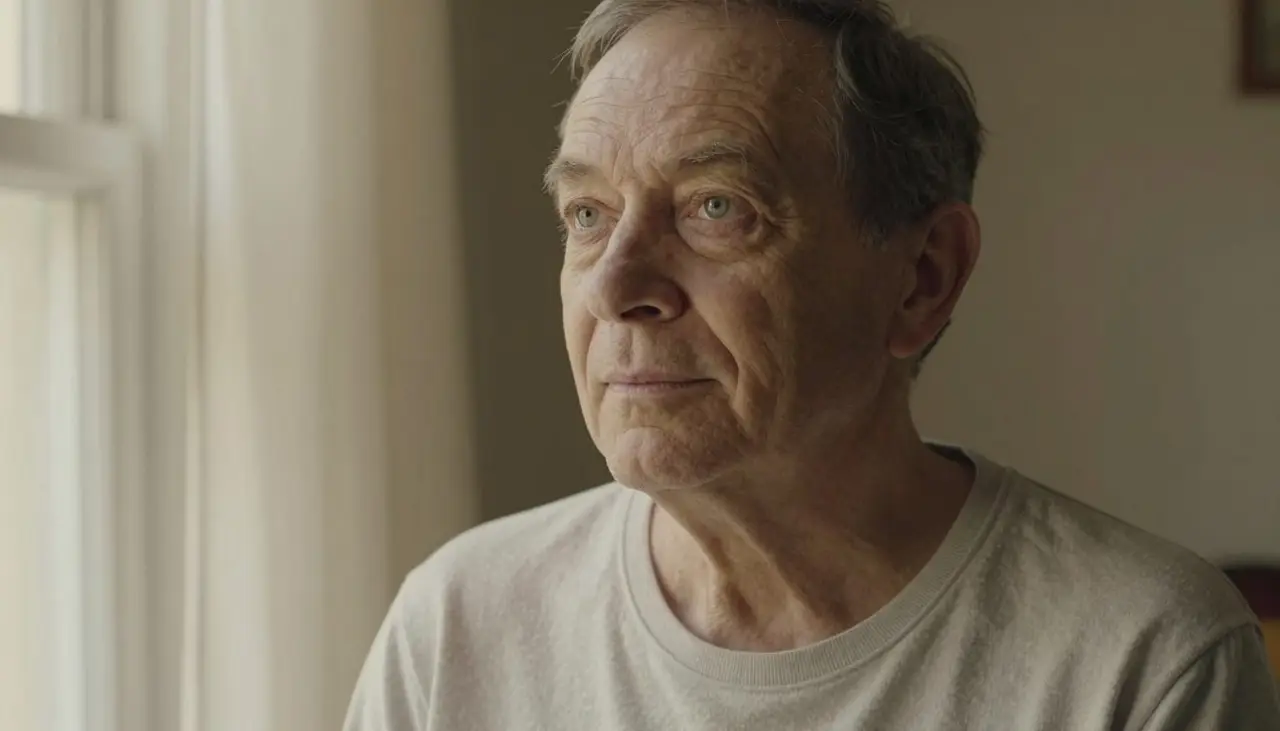
Alcohol can start to feel different with age for boring reasons that matter: sleep changes, body water changes, medication questions, health conditions, balance, tolerance, and recovery time all move around. Age alone does not explain every bad next day. It does make the old baseline less reliable.
That is the useful answer. If the same amount now hits harder, the question is not whether you have crossed some invisible line. It is what changed around the drinking.
The same pour can meet a different body
Alcohol is processed by the body you have today, not the body you remember from ten or twenty years ago. Sleep may be lighter. A health condition may be new. A medication or supplement may have entered the picture. You may drink less often than before, which can make the same night feel stronger because the old tolerance is not there.
NIAAA's older-adults resource puts real scale behind the issue: in 2024, it reported that 34.4 million people ages 65 and older drank alcohol in the past year. That number does not say whether one person should drink. It does show that alcohol and aging is not a niche concern or a moral exception. It is a common health question.
The mistake is to turn "common" into "simple." A standard public-health page can describe population patterns, but it cannot tell you why one glass now feels like two, why balance feels less steady, or whether a new symptom belongs to alcohol, sleep, stress, medication, or something else.
Older-adult drinking data is context, not a diagnosis
NIAAA also reported that 6.8 million people ages 65 and older engaged in past-month binge drinking in 2024, and 1.5 million had heavy alcohol use in the past month. Those figures are useful because they keep the subject concrete. A lot of older adults drink, and a smaller but still large group drinks in patterns that raise risk.
What the numbers cannot do is individualize the answer. They cannot sort out your liver labs, your sleep, your balance, your mood, or your medication list. They also do not make age itself the villain. Two people can be the same age and have very different alcohol sensitivity because their health context, drinking pattern, nutrition, sleep, and tolerance are different.
This is why "alcohol and aging" is broader than "hangovers get worse with age." Hangovers are one signal. So are feeling more unsteady, sleeping worse after one drink, noticing next-day anxiety, needing longer to recover, or realizing that a drink you used to shrug off now changes the next morning.
Long-term health risks still depend on pattern
CDC lists high blood pressure, heart disease, liver disease, digestive problems, and several cancers among chronic diseases associated with excessive alcohol use. Another CDC alcohol-health page states that excessive alcohol use is associated with cardiovascular harms including high blood pressure, heart disease, stroke, and liver disease.
Those are broad associations, not a private prediction. They are strongest as a reason to look at the pattern: how much, how often, how fast, how long the pattern has been going on, and what symptoms or medical concerns now sit beside it.
The dose-response idea matters here. Risk usually rises with more alcohol and longer exposure, but there is no single age or drink count that flips from harmless to harmful for everyone. Genetics, sex, health conditions, diet, medications, and past drinking all change the personal picture. A guideline can give a reference point. It cannot clear a specific person.
The practical question is what changed
If drinking feels different now, start with a pattern check rather than a theory. Write down the amount in actual drinks, the timing, food, sleep, next-day symptoms, and anything new in your health or medication picture. The goal is not to build a case against yourself. It is to bring better information to the next decision.
Three details help more than vague labels:
- The amount: "Two glasses" can mean two small pours or two heavy pours.
- The timing: Drinking faster or later can change sleep and recovery.
- The context: A new medication, worse sleep, illness, stress, or a long break from drinking can all change how alcohol lands.
The adjacent question is often, "Is alcohol aging me?" The safer answer is narrower: alcohol can affect systems tied to aging concerns, but no general guide can promise that cutting back will reverse age, fix skin, balance hormones, or restore an earlier body. A better question is whether your current drinking pattern is helping or hurting the life and health you are trying to protect now.
Medication and condition questions are not DIY questions
If alcohol started to feel different after a new diagnosis, a new medication, a dose change, a fall, a blackout, or a stretch of worse sleep, bring that to a clinician or pharmacist. Do not try to infer interaction rules from a general article. The useful sentence is simple: "Alcohol feels different now, and here is my actual pattern."
If you drink daily or heavily and feel shaky, sweaty, panicky, nauseated, or unwell when alcohol wears off, the safety frame changes. Do not use a sudden cutback experiment as a test. Ask a licensed clinician how to reduce risk before changing your intake.
The bottom line is not that aging makes alcohol forbidden. It is that the old autopilot may be out of date. When the same amount feels different, treat that as information worth taking seriously.
FAQ
Why does alcohol hit me harder as I get older?
It can be a mix of lighter sleep, changed tolerance, health conditions, medication questions, body-composition changes, and slower recovery. Age may be part of the pattern, but it usually is not the only useful explanation.
Is this just about hangovers getting worse?
No. Hangovers are one common reason people notice the change, but alcohol can also feel different through sleep, balance, anxiety, digestion, blood pressure, and next-day recovery.
Should I ask my doctor if drinking feels different?
Yes if the change is new, strong, tied to medication or health changes, or showing up with symptoms that worry you. A clinician or pharmacist can place the drinking pattern next to your actual health context.
This article is general education, not medical advice or a medication-interaction guide. If you drink heavily or daily, ask a licensed clinician before stopping suddenly or making a large cutback.
- Body & physical health
Does Alcohol Affect Men and Women Differently? Yes — Here's Why
Yes, women often reach a higher blood alcohol level from the same drink count. See why body composition matters and comparisons with a partner can mislead.
- Body & physical health
Mixing Alcohol and Energy Drinks: Why 'Wide Awake Drunk' Is Riskier Than It Feels
Caffeine does not cancel out alcohol; it can make impairment harder to feel. Know the CDC risk pattern and when mixed drinks become a 911 issue.
- Mind & mood
Alcohol and Dopamine: How Drinking Trains Your Brain's Reward System
Alcohol trains the brain's dopamine reward system: tolerance shrinks the payoff while the wanting stays. Why cravings outlast the pleasure, and what can shift.
- Understanding your drinking
High-Functioning Alcoholic: Why the Label Can Mislead
"High-functioning alcoholic" is a common search phrase, not a diagnosis. The more useful question is what alcohol is costing and whether control is getting harder.
- Body & physical health
Drinking and Your Sleep When It's Hot Out
Why alcohol and hot summer nights can combine into 3am wake-ups, night sweats, poor recovery, and when sleep symptoms need clinical support.
- Mind & mood
Alcohol and Anger Outbursts
Alcohol lowers restraint, which can make anger outbursts easier to act on — and the next-day rebound explains why the morning after feels so raw.


Be the first to hear when Clero launches.
Join with email only. Clero is still in development, so this is educational content today — not treatment, a prescription request, or medical advice.
First to hear at launchLaunch news only — no spamUnsubscribe anytime