
Alcohol Tolerance vs. Dependence: Why 'Holding Your Liquor' Isn't the Flex It Sounds Like
Tolerance means your brain has adapted to alcohol; dependence means it now expects it. Why not feeling drunk is a signal, and where withdrawal risk starts.
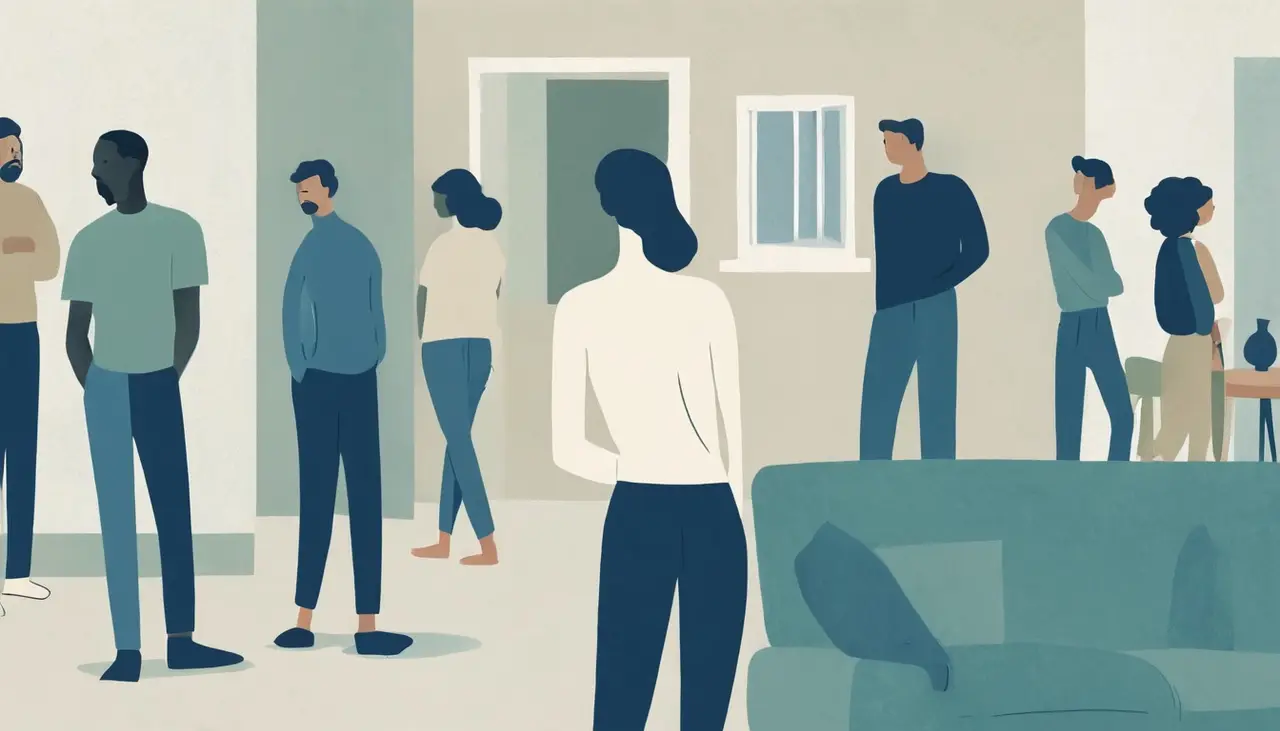
Holding your liquor sounds like control. It sounds like the person who can have three drinks at dinner and still answer email, make the train, and wake up for the gym has some kind of advantage.
The newer, more useful reading is almost the opposite: tolerance is not proof that alcohol is bouncing off you. It is proof that your brain and body have learned to compensate for it.
That is the crack in the old badge. Feeling less affected is not the same as being less affected.
What tolerance actually is
Alcohol tolerance means the same amount of alcohol produces a smaller noticeable effect than it used to. The drink still reaches your bloodstream. Your liver still has to process it. Your sleep, blood pressure, balance, judgment, and reaction time can still be affected. What has changed is the way your system responds to a familiar exposure.
NIAAA explains that alcohol interferes with the brain's communication pathways, affecting mood, behavior, movement, memory, and decision-making; with repeated drinking, the brain adjusts around that exposure. That adjustment is the plain-language core of tolerance: the brain turns knobs to keep functioning while alcohol is present.
Think of it less like armor and more like compensation. If a room gets loud, you raise your voice. If the room is loud every night, raised voice starts to feel normal. The noise has not gotten any safer — your baseline has moved.
Why feeling sober can mislead you
The tolerance myth hangs on one mistake: using how you feel as the only measure of how affected you are.
That works poorly with alcohol because the parts you can feel and the parts that matter for risk do not always move together. A person with higher tolerance may not feel obviously drunk after a count that would flatten someone else, but the alcohol still counts. A large pour is still a large pour. A night of short sleep is still short sleep. A high blood alcohol level is not cancelled by confidence.
This is why "I don't even feel it" can be useful information, but not in the way people usually mean it. It may be the sign that the old amount is no longer registering - and that the amount has crept up enough for the brain to adapt.
For the weekly pattern side of this question, see how much is too much alcohol per week. For the label question, alcohol use disorder vs alcoholism is the better next stop.
Dependence is a different line
Tolerance and dependence are related, but they are not synonyms.
Tolerance means your system has adapted so alcohol feels less powerful at the same amount. Dependence means the adaptation has gone further: alcohol is now part of the body's expected baseline, so taking it away can produce symptoms.
NIAAA's Core Resource on the neuroscience of addiction describes repeated heavy drinking as a process of neuroadaptation - brain changes that make reward feel less rewarding and stress feel louder between drinks. In plain language, alcohol starts as something that changes your state; over time, it can become something your system expects in order to feel normal.
That is the bridge between tolerance and dependence. Tolerance can be an early sign that the body is adapting. Dependence is what can happen when the adaptation becomes the new setting.
The safety fork: withdrawal is not a willpower test
Dependence matters because stopping suddenly can be physically risky for people who have been drinking heavily and regularly — alcohol withdrawal can be severe and, in some cases, life-threatening. MedlinePlus describes alcohol withdrawal as symptoms that can occur when someone who has been drinking too much on a regular basis suddenly stops; possible symptoms include shaking, sweating, rapid heart rate, hallucinations, seizures, and severe confusion.
Not every person with high tolerance is dependent, but the question deserves serious attention. If you drink heavily every day, have had withdrawal symptoms before, or feel physically unwell when you go without alcohol, the first task is not proving toughness. The first task is making a safe plan with a clinician.
The family angle
"Everyone in my family can drink a lot" can sound reassuring. It may just mean alcohol has always been normalized around you. It can also mean your inherited response to alcohol is part of the picture.
NIAAA reports that genetics account for roughly half of a person's risk for alcohol use disorder. A family history does not decide your future — it just means a family pattern of "we can all hold our liquor" is not the proof of protection it sounds like. For some people, a lower obvious response to alcohol can make it easier to drink more before the warning signs feel loud.
Risk is not destiny. But it is information.
What a high tolerance is telling you
A high tolerance is not a diagnosis. It is a signal.
The useful move is to read it early, before the story gets dramatic. Ask three plain questions:
- Has the amount that feels "normal" gone up?
- Do you need more alcohol than you used to in order to get the same effect?
- Do you feel off, shaky, anxious, sweaty, or unable to sleep when you do not drink?
The first two questions point toward tolerance. The third points toward possible dependence and a safety conversation. None of them require you to choose a permanent label tonight.
If the answer is mostly "my count has crept up," start with a count in standard drinks and a smaller experiment: fewer drinking days, smaller pours, a stop point before the usual last round. If the answer includes physical symptoms when you stop, skip the experiment and talk to a clinician first.
FAQ
Is tolerance the same as addiction?
No. Tolerance is an adaptation: the same amount feels weaker than it used to. Addiction is a broader pattern involving craving, loss of control, continued use despite harm, and other criteria a clinician assesses. Tolerance can be one clue inside that larger picture, but it is not the whole picture.
Can tolerance go back down?
Often, yes. When alcohol exposure decreases for long enough, the body has less need to compensate. The timeline varies by person and pattern, and this article is not a schedule. The practical point is simpler: tolerance is not fixed identity. It can change when the pattern changes.
Does high tolerance mean I can safely drink more?
No. High tolerance means you may feel less affected by the same alcohol. It does not make the alcohol disappear, and it does not erase health or safety risk.
This article is general education, not medical advice or a detox plan. If stopping or cutting back brings shaking, hallucinations, severe confusion, fever, irregular heartbeat, or a seizure, call 911 or go to an emergency room; for confidential treatment referrals, SAMHSA's National Helpline is 1-800-662-HELP.
- Body & physical health
Drinking and Needing to Pee or Frequent Urination
Drinking makes you pee more because alcohol switches off the hormone telling your kidneys to hold water. Why the 3am wake-up lands where it does, and what helps.
- Understanding your drinking
Wanting a Drink in the Morning: What It Can Mean, Without the Panic
No, a morning craving is not the same as dependence — but relief drinking is medical information. What the timing can mean, and why stopping abruptly can be risky.
- Body & physical health
Mixing Alcohol and Energy Drinks: Why 'Wide Awake Drunk' Is Riskier Than It Feels
Caffeine does not cancel out alcohol; it can make impairment harder to feel. Know the CDC risk pattern and when mixed drinks become a 911 issue.
- Quitting & sobriety
How do I stop drinking?
Stopping drinking starts with safety, not willpower. If you drink heavily every day or have had withdrawal symptoms, ask a clinician what level of care is safest before you stop suddenly. If you are medically stable, the next step is to choose support that matches your goal, privacy needs, and risk level: therapy, peer support, medication education, primary care, telehealth, outpatient treatment, or a higher level of care.
- Understanding your drinking
Social Drinking vs. Problem Drinking: Where's the Actual Line?
The line between social and problem drinking isn't where you drink — it's amount, frequency, and what it's doing for you. The numbers that mark a heavy pattern.
- Medication & treatment
What alcohol treatment options are available in New York?
New York residents can choose among outpatient care, residential programs, therapy, peer support, state resources, and private telehealth. The right fit depends on safety needs, privacy, schedule, goals, and cost.


Be the first to hear when Clero launches.
Join with email only. Clero is still in development, so this is educational content today — not treatment, a prescription request, or medical advice.
First to hear at launchLaunch news only — no spamUnsubscribe anytime